Mausoleum

Metal
Death Metal
 Viberate Rank: 496442
 Viberate Rank: 496442
 Monthly ListenersFollowers
 Subscribers
 Followers
 Followers
 FansTop Spotify Songs
| Track | 7-Day Streams | |
|---|---|---|
1 | 30 | |
2 | 15 | |
3 | 13 | |
4 | 13 | |
5 | 10 |
Top YouTube VideosMonthly ListenersFeatured in PlaylistsAudience| City | Monthly Listeners | |
|---|---|---|
1 |  | 4 |
2 | | 4 |
3 |  | 3 |
4 |  | 3 |
5 |  | 3 |
See full performance history, audience data, playlist activity, rankings, comparisons, and more in Viberate music analytics. Start with a free trial, then continue with a paid plan.
Mausoleum’s Spotify BioMAUSOLEUM
Rob Yench – Bass, Backup Vocals
Craig Stiles – Guitars, Lead Vocals
Chris Demydenko – Drums, Backup Vocals
Adam Kegg – Guitars, Backup Vocals
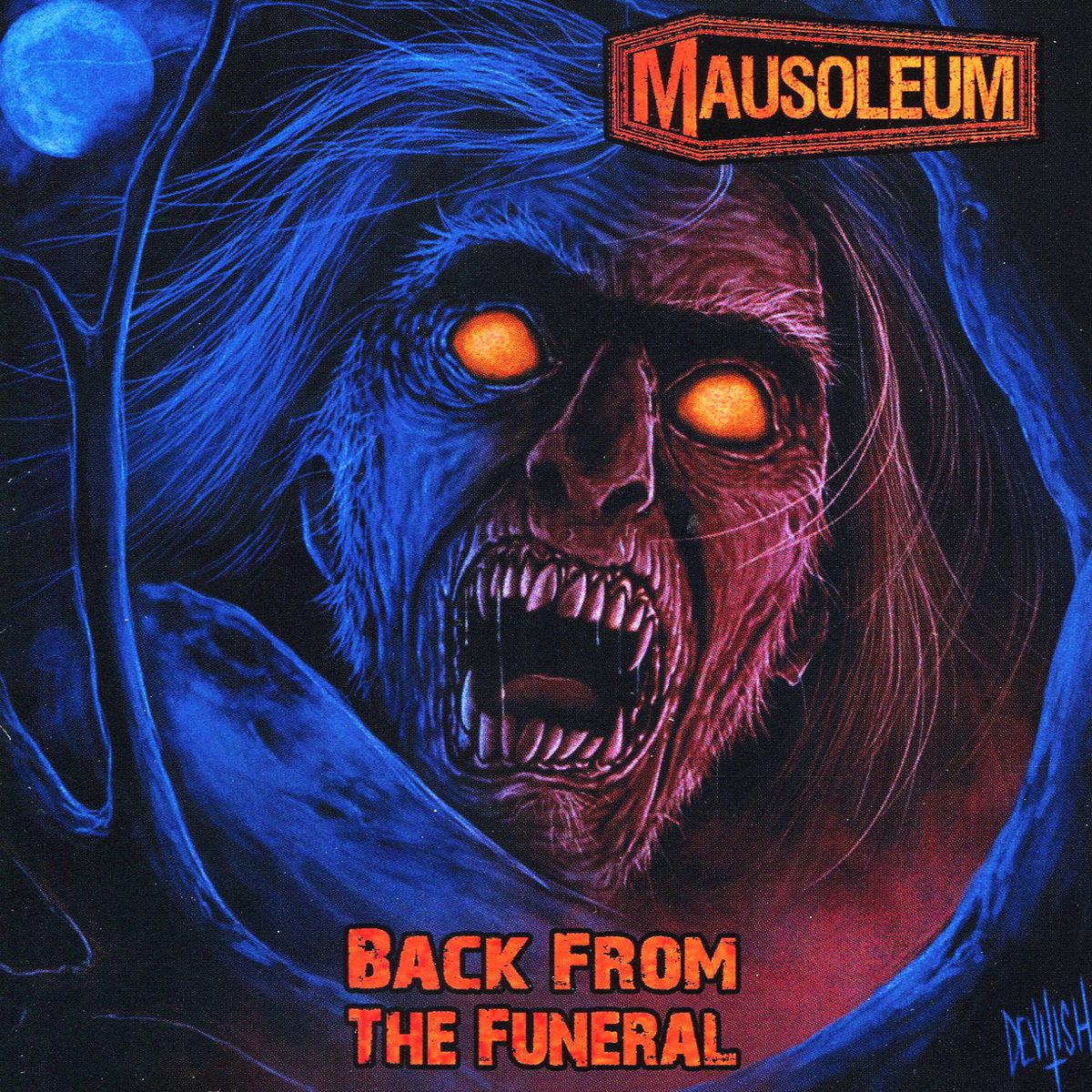
During the dark, sultry days of August of 2001, a new living dead nightmare arose from the already zombie-cursed hinterland of western Pennsylvania that George A. Romero had made utterly infamous in the abhorrent, grue-dripping annals of horror cinema in 1968. It was then that, amidst the almost post-apocalyptic atmosphere of Johnstown – that dreary and now rust-devoured “Furnace of Hell” of years past, which had fulfilled 19th-century America’s ravening hunger for steel – was begotten the filthy and foetid monstrosity that is … MAUSOLEUM.
Those savage and stripped-down death cults like DEATH, NECROPHAGIA, ENTOMBED, OBITUARY, and, of corpse, AUTOPSY, and raised upon a steady, and steadily unwholesome, diet of Horror in any and all of its appalling incarnations, from novels and comics to films, in particular, gut-munching zombie chunkblowers,… MAUSOLEUM exists simply to vomit forth hideous death-reeking sickness into the very face of the stale and sterile “technical death metal” drivel of today. The macabre death-rattling morbidity that is scraped off their mortician’s slab, with its loathsome gore-shrieking vocals, its doomful cacophony of down-tuned guitars, and its barbarous drum bludgeoning, is a disdainful anachronism: a throwback to those fiendish days of yore when death metal was new and noisome and nasty
Viberate is a music analytics platform built for A&Rs, artist managers, labels, booking agents, marketers, and artists.
It helps music professionals track artist growth, analyze audience data, monitor playlist activity, compare artists, follow song performance, and identify opportunities across the music market.
Public artist pages provide a free preview of selected artist data. Paid plans provide access to deeper analytics, historical data, charts, comparisons, playlist tools, exports, alerts, reports, and additional professional features.
Yes. Public Viberate artist pages provide selected artist analytics and music data for free.
Viberate also offers a 7-day free trial of the full platform. A credit card is required to start the trial. The trial includes access to the complete product so users can test deeper artist analytics, historical views, playlist insights, comparisons, charts, exports, alerts, and reporting features before choosing a paid plan.
Viberate provides artist analytics across streaming, playlists, social media, video, radio airplay, songs, and audience markets.
Users can analyze Spotify performance, Spotify and Apple Music playlists, YouTube activity, TikTok and Instagram growth, radio spins, song performance, audience locations, demographics, rankings, and overall artist momentum.
Artist profiles also connect to music charts, similar artists, and comparison tools, helping users benchmark performance and evaluate artists in context.
Viberate updates key artist and track data daily.
For followed artists and tracks, selected data is refreshed multiple times per day. This helps teams monitor playlist changes, streaming movement, audience growth, releases, and campaign performance with more current data.
Update frequency can vary depending on the metric and data source.
Yes. Viberate lets users compare up to five artists side by side across streaming, social media, audience, and engagement metrics.
Users can compare fanbase growth, audience demographics, locations, Spotify performance, social metrics, and other artist data over selected time periods.
Artist comparison can be used for A&R scouting, benchmarking, booking decisions, campaign planning, and evaluating artists with similar audiences or market positions.