MAURO SENISE

Jazz
Free Jazz
Latin Jazz
 Viberate Rank: 149499
 Viberate Rank: 149499
 Monthly ListenersFollowers
 Subscribers
 Followers
 Followers
 FansTop Spotify Songs
| Track | 7-Day Streams | |
|---|---|---|
1 | 2.96K | |
2 | 157 | |
3 | 109 | |
4 | 66 | |
5 | 56 |
Top YouTube Videos| Video | 7-Day Views | |
|---|---|---|
1 | 2.81K | |
2 | 398 | |
3 | 155 | |
4 | 131 | |
5 | 81 |
Monthly ListenersFeatured in Playlists| Playlist | Followers | |
|---|---|---|
1 |  Café Bossa Spotify | 282.54K |
2 | Melhores sambas! Alessandra Mauro | 10.08K |
3 |  double bass jazz Ronaldo Destri | 6.49K |
4 |  MPB Café Palco Digital | 5.25K |
5 | nova tunes 1 jars_ki | 5.01K |
Audience| City | Monthly Listeners | |
|---|---|---|
1 | | 780 |
2 | | 541 |
3 | | 244 |
4 | | 210 |
5 | | 141 |
See full performance history, audience data, playlist activity, rankings, comparisons, and more in Viberate music analytics. Start with a free trial, then continue with a paid plan.
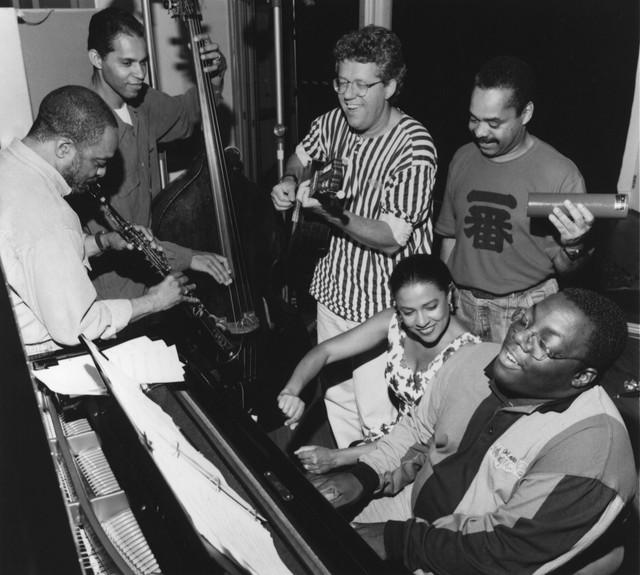
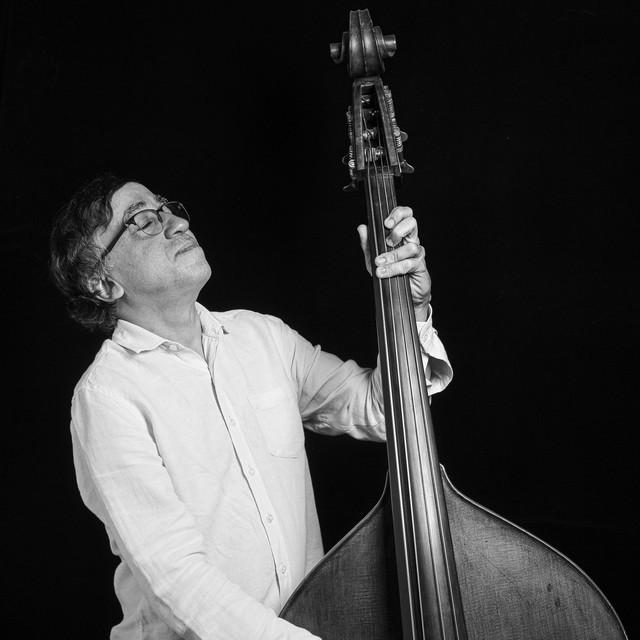
MAURO SENISE’s Spotify BioMauro Senise started to study music rather late in his life at the age of 20. He had Odette Ernst Dias as his teacher of classical flute and Paulo Moura taught him to play the saxophone. He quickly became a busy sideman for popular music artists, participating in several recordings and performances. As an instrumental musician, he worked with most important artists in Brazil, like Wagner Tiso, Hermeto Pascoal, and Egberto Gismonti. In 1981, along with Robertinho Silva, Zeca Assumpção, and André Dequech, he founded the group Alquimia. Senise has played many times in Europe and the United States. He recorded his first solo album only in 1988, Mauro Senise, which is the result of the lack of interest in instrumental music in Brazil. Senise recorded several other albums since then, in some of them having the company of such musicians as Romero Lubambo, Gilson Peranzzetta, and Raul Mascarenhas. In 2001, he participated in two important jazz festivals in Brazil, the Chivas Jazz Festival and… the Free Jazz Festival (performing in the latter in the exciting Moacir Santos tribute). He has also been a member of the instrumental group Cama de Gato since its formation in 1982. Also a classical musician, Senise developed work with Rosana Lanzelotte (clavier) and David Chew (cello). ~ Alvaro Neder, Rovi
Viberate is a music analytics platform built for A&Rs, artist managers, labels, booking agents, marketers, and artists.
It helps music professionals track artist growth, analyze audience data, monitor playlist activity, compare artists, follow song performance, and identify opportunities across the music market.
Public artist pages provide a free preview of selected artist data. Paid plans provide access to deeper analytics, historical data, charts, comparisons, playlist tools, exports, alerts, reports, and additional professional features.
Yes. Public Viberate artist pages provide selected artist analytics and music data for free.
Viberate also offers a 7-day free trial of the full platform. A credit card is required to start the trial. The trial includes access to the complete product so users can test deeper artist analytics, historical views, playlist insights, comparisons, charts, exports, alerts, and reporting features before choosing a paid plan.
Viberate provides artist analytics across streaming, playlists, social media, video, radio airplay, songs, and audience markets.
Users can analyze Spotify performance, Spotify and Apple Music playlists, YouTube activity, TikTok and Instagram growth, radio spins, song performance, audience locations, demographics, rankings, and overall artist momentum.
Artist profiles also connect to music charts, similar artists, and comparison tools, helping users benchmark performance and evaluate artists in context.
Viberate updates key artist and track data daily.
For followed artists and tracks, selected data is refreshed multiple times per day. This helps teams monitor playlist changes, streaming movement, audience growth, releases, and campaign performance with more current data.
Update frequency can vary depending on the metric and data source.
Yes. Viberate lets users compare up to five artists side by side across streaming, social media, audience, and engagement metrics.
Users can compare fanbase growth, audience demographics, locations, Spotify performance, social metrics, and other artist data over selected time periods.
Artist comparison can be used for A&R scouting, benchmarking, booking decisions, campaign planning, and evaluating artists with similar audiences or market positions.