Mauro Giuliani

Classical
Classical Crossover
 Viberate Rank: 235734
 Viberate Rank: 235734
 Monthly ListenersFollowers
 Subscribers
 Followers
 Followers
 FansTop Spotify Songs
| Track | 7-Day Streams | |
|---|---|---|
1 | 4.87K | |
2 | 628 | |
3 | 433 | |
4 | 431 | |
5 | 376 |
Top YouTube VideosMonthly ListenersFeatured in Playlists| Playlist | Followers | |
|---|---|---|
1 |  Relaxing Classical Guitar Spotify | 235.31K |
2 |  Easy Listening Classical For Study, Work, Relaxing, Chillout, Anything But Serious Listening Ulysses' Classical | 99.23K |
3 |  Freakonomics podcast André Nordbø | 15.88K |
4 | Classic Guitar Favorites davetus57 | 10.62K |
5 | Happy Classical Rebecca Noelle | 7.89K |
Audience| City | Monthly Listeners | |
|---|---|---|
1 |  | 274 |
2 |  | 246 |
3 |  | 245 |
4 |  | 244 |
5 |  | 219 |
See full performance history, audience data, playlist activity, rankings, comparisons, and more in Viberate music analytics. Start with a free trial, then continue with a paid plan.
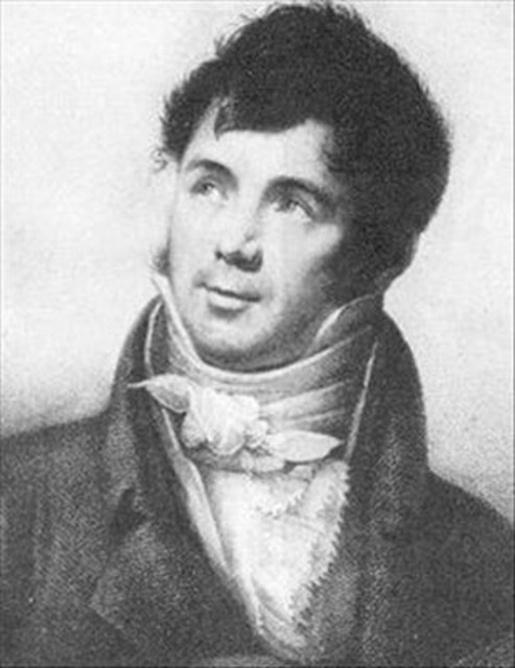
Mauro Giuliani’s Spotify BioAn acclaimed Italian guitar virtuoso and composer, Mauro Giuliani, along with Fernando Sor, was one of the last great classical proponents of his instrument until its revival in the early twentieth century. He studied counterpoint and the cello, but on the six-string guitar he was entirely self-taught, and that became his principal instrument early on. Italy abounded with fine guitarists at the beginning of the nineteenth century (Carulli remains the most familiar today), but few of them could make a living because of the public's preoccupation with opera. So Giuliani embarked on a successful tour of Europe when he was 19, and in 1806 he settled in Vienna, where he entered the musical circle of Diabelli, Moscheles, and Hummel. He solidified his reputation with the 1808 premiere of his Guitar Concerto in A major, Op. 30, and was soon heralded as the greatest living guitar virtuoso. Even Beethoven noticed Giuliani, and wrote of his admiration for him. Perhaps to return the favor,… Giuliani played cello in the 1813 premiere of Beethoven's Symphony No. 7.
Around 1814, Giuliani was named virtuoso onorario di camera to Napoleon's second wife, Empress Marie-Louise. But, deeply in debt, he returned to Italy in 1819. An 1823 trip to London brought him acclaim in the English-speaking world, and resulted in a short-lived fan publication called The Giulianiad. After this visit, the guitarist settled in Naples, enjoying the patronage of the court of the Kingdom of Two Sicilies. He became adept on an obscure instrument called the lyre-guitar (which was marketed mainly to female amateurs), and perfected the design of the "ghitarra di terza," an instrument with a shorter fingerboard than that of the regular "Spanish" guitar.
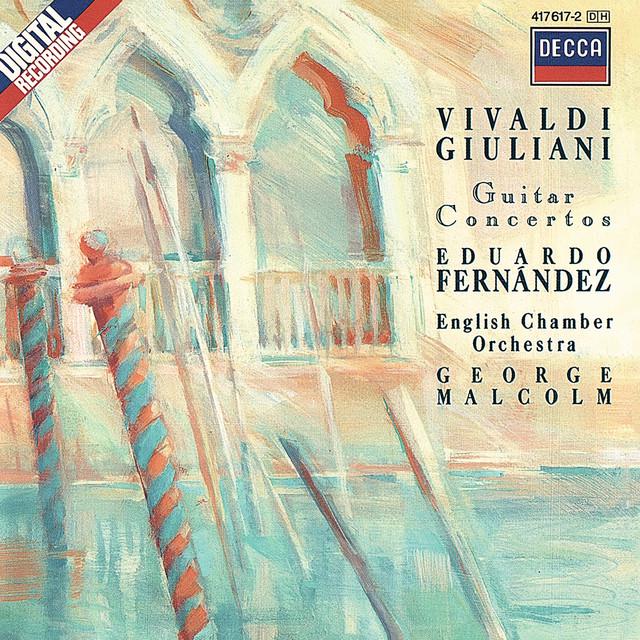
Giuliani published more than 200 works; his most durable pieces include three lyrical concertos in a late Classical/early Romantic style, and, for solo guitar, the Grand Overture, Op. 61, and a series of six sometimes long-winded suites, Le Rossiniane, based on tunes by Gioacchino Rossini. As a special help to other players, Giuliani notated his works on the treble clef in an innovative manner, with the rests and note-stem directions distinguishing the melody from the bass line and inner voices.
Viberate is a music analytics platform built for A&Rs, artist managers, labels, booking agents, marketers, and artists.
It helps music professionals track artist growth, analyze audience data, monitor playlist activity, compare artists, follow song performance, and identify opportunities across the music market.
Public artist pages provide a free preview of selected artist data. Paid plans provide access to deeper analytics, historical data, charts, comparisons, playlist tools, exports, alerts, reports, and additional professional features.
Yes. Public Viberate artist pages provide selected artist analytics and music data for free.
Viberate also offers a 7-day free trial of the full platform. A credit card is required to start the trial. The trial includes access to the complete product so users can test deeper artist analytics, historical views, playlist insights, comparisons, charts, exports, alerts, and reporting features before choosing a paid plan.
Viberate provides artist analytics across streaming, playlists, social media, video, radio airplay, songs, and audience markets.
Users can analyze Spotify performance, Spotify and Apple Music playlists, YouTube activity, TikTok and Instagram growth, radio spins, song performance, audience locations, demographics, rankings, and overall artist momentum.
Artist profiles also connect to music charts, similar artists, and comparison tools, helping users benchmark performance and evaluate artists in context.
Viberate updates key artist and track data daily.
For followed artists and tracks, selected data is refreshed multiple times per day. This helps teams monitor playlist changes, streaming movement, audience growth, releases, and campaign performance with more current data.
Update frequency can vary depending on the metric and data source.
Yes. Viberate lets users compare up to five artists side by side across streaming, social media, audience, and engagement metrics.
Users can compare fanbase growth, audience demographics, locations, Spotify performance, social metrics, and other artist data over selected time periods.
Artist comparison can be used for A&R scouting, benchmarking, booking decisions, campaign planning, and evaluating artists with similar audiences or market positions.