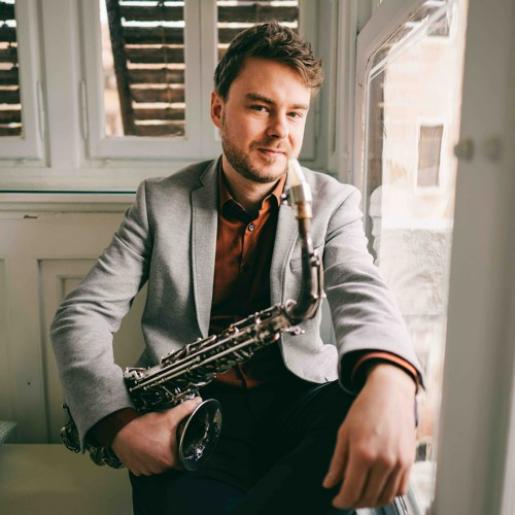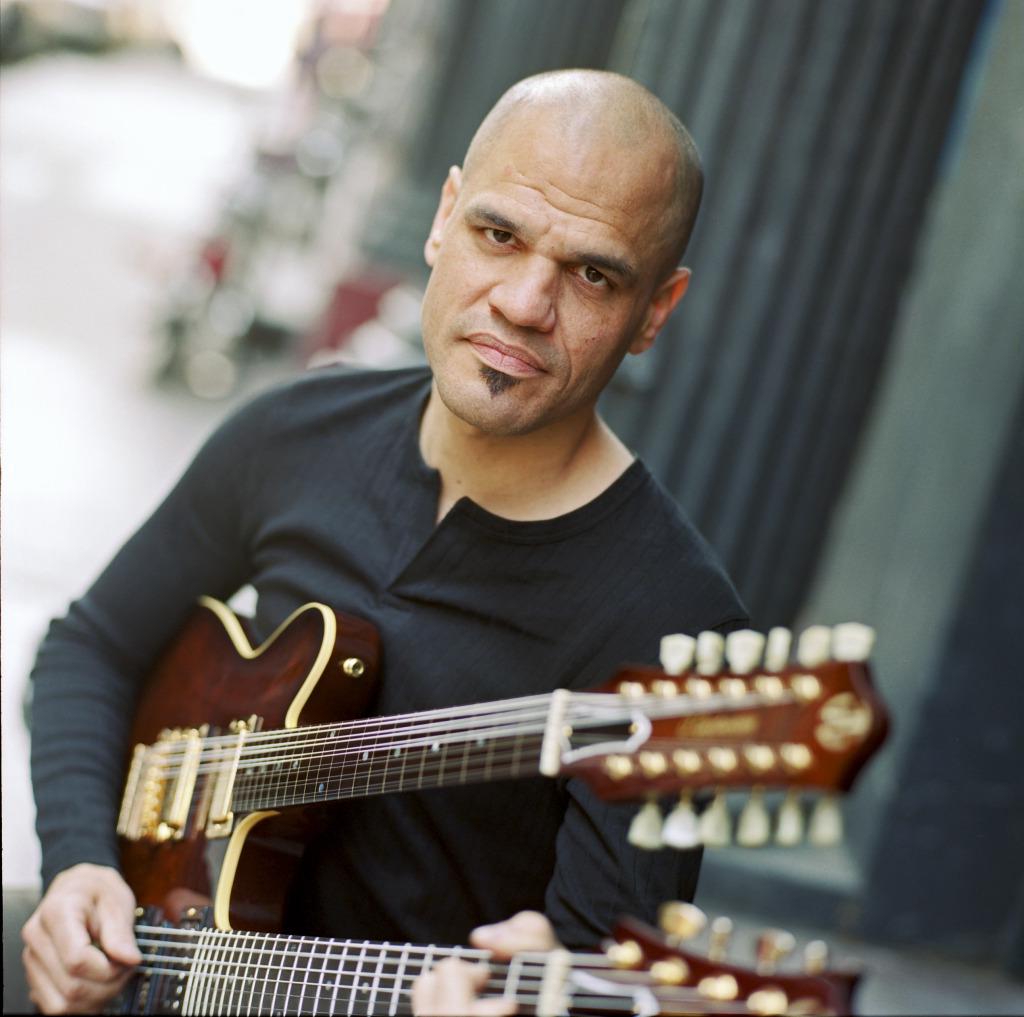
Matthew Garrison

Jazz
Avant-garde Jazz
Jazz Fusion
 Viberate Rank: 183954
 Viberate Rank: 183954
 Monthly ListenersFollowers
 Subscribers
 Followers
 Followers
 FansTop Spotify Songs
| Track | 7-Day Streams | |
|---|---|---|
1 | 95 | |
2 | 89 | |
3 | 33 | |
4 | 23 | |
5 | 21 |
Top YouTube VideosMonthly ListenersFeatured in Playlists| Playlist | Followers | |
|---|---|---|
1 |  RHYTHM SECTION HQ Rhythm Section International | 11.57K |
2 | Burning Jazz-rock Fusion fusionprogguy | 8.92K |
3 | Jazz Fusion, Progressive Rock, & Jam Bands Curator Seedpicker | 7.16K |
4 |  Microtonal Music & Xenharmonic Music sevish | 4.68K |
5 |  Sci-Fi Jazz Radio Thierry Adam | 2.35K |
Audience| City | Monthly Listeners | |
|---|---|---|
1 | | 8 |
2 |  | 7 |
3 |  | 5 |
4 |  | 5 |
5 |  | 5 |
See full performance history, audience data, playlist activity, rankings, comparisons, and more in Viberate music analytics. Start with a free trial, then continue with a paid plan.
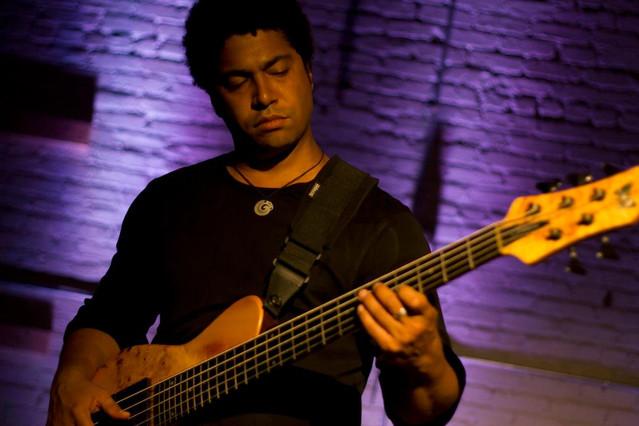
Matthew Garrison’s Spotify BioElectric bassist and producer Matthew Garrison is the son of bassist Jimmy Garrison. Since the early '90s, he has recorded and toured with a wide range of top-flight musicians including Ornette Coleman, Herbie Hancock, John Scofield, Joni Mitchell, Meshell Ndegeocello, and the World Saxophone Quartet, to name a scant few. He has also led his own bands since 2000, and has self-released a handful of recordings.
Though born in New York, Garrison spent much of his childhood in Italy. In 1988 he went to live with his godfather, drummer/composer/pianist Jack DeJohnette. He won a full scholarship to the Berklee College of Music the following year, and began woodshedding at city gigs. He moved back to New York in 1994. His musical diversity and adaptability made him an in-demand sideman. His playing on Joe Zawinul's My People album in 1996 won him a host of admirers and critical accolades -- as well as a lot more work.
Garrison made his debut as a leader with a self-titled offering on his own Ga…rrison Jazz Productions label. He enlisted guitarists David Gilmore and Adam Rogers, keyboardist Scott Kinsey, and percussionist Arto Tuncboyacian, in addition to many other singers and instrumentalists. Critics not only found favor with his playing and composing, but his careful, multi-layered production as well. That same year he made his first recorded appearance with John McLaughlin on Heart of Things: Live in Paris and joined the guitarist's regular band. In between his live appearances he guested on Dennis Chambers' Outbreak (2002) and Hancock's Future 2 Future Live (2002).
In 2004 Garrison released Matthew Garrison Live and the acclaimed Shapeshifter. He also joined the Revolution Void collective, cut an album with them, and played on recordings by Wallace Roney, the WSQ, Spiros Exaras World-Jazz Ensemble, and Yoshiko Kishino. The following year he took part in the landmark Meshell Nedegeocello Presents the Spirit Music Jamia: Dance of the Infidel sessions. His appearance on McLaughlin's Industrial Zen recording in 2006 won rave reviews from the jazz media. The following year his dates included an appearance on Chico Hamilton's Hamiltonia; he also co-led the session Improvision with Alex Machacek and Jeff Sipe.
Garrison released the completely solo Shapeshifter Live 2010, Pt. 1, captured in a single uninterrupted take. It was recorded at Shapeshifter Lab, the multimedia studio and performance space that he co-founded with Fortuna Sung. The venue has been an active live performance venue since its inception. That same year he toured with Whitney Houston during her global Nothing But Love tour. His own 12 Months followed in 2013. In 2015, Garrison and saxophonist Ravi Coltrane began playing in a formal trio with DeJohnette. Their debut recording, In Movement, was released by ECM in 2016. ~ Thom Jurek, Rovi
Viberate is a music analytics platform built for A&Rs, artist managers, labels, booking agents, marketers, and artists.
It helps music professionals track artist growth, analyze audience data, monitor playlist activity, compare artists, follow song performance, and identify opportunities across the music market.
Public artist pages provide a free preview of selected artist data. Paid plans provide access to deeper analytics, historical data, charts, comparisons, playlist tools, exports, alerts, reports, and additional professional features.
Yes. Public Viberate artist pages provide selected artist analytics and music data for free.
Viberate also offers a 7-day free trial of the full platform. A credit card is required to start the trial. The trial includes access to the complete product so users can test deeper artist analytics, historical views, playlist insights, comparisons, charts, exports, alerts, and reporting features before choosing a paid plan.
Viberate provides artist analytics across streaming, playlists, social media, video, radio airplay, songs, and audience markets.
Users can analyze Spotify performance, Spotify and Apple Music playlists, YouTube activity, TikTok and Instagram growth, radio spins, song performance, audience locations, demographics, rankings, and overall artist momentum.
Artist profiles also connect to music charts, similar artists, and comparison tools, helping users benchmark performance and evaluate artists in context.
Viberate updates key artist and track data daily.
For followed artists and tracks, selected data is refreshed multiple times per day. This helps teams monitor playlist changes, streaming movement, audience growth, releases, and campaign performance with more current data.
Update frequency can vary depending on the metric and data source.
Yes. Viberate lets users compare up to five artists side by side across streaming, social media, audience, and engagement metrics.
Users can compare fanbase growth, audience demographics, locations, Spotify performance, social metrics, and other artist data over selected time periods.
Artist comparison can be used for A&R scouting, benchmarking, booking decisions, campaign planning, and evaluating artists with similar audiences or market positions.