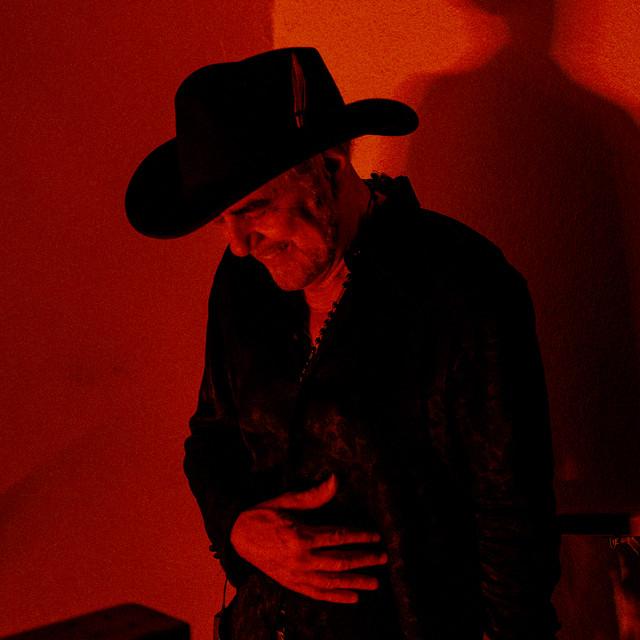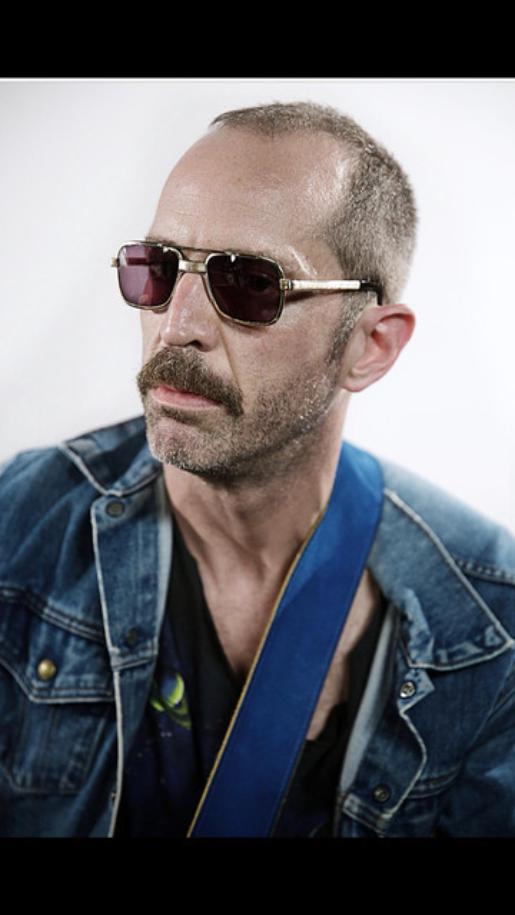
Matt Sweeney

Country
Americana/Alt Country
 Viberate Rank: 105923
 Viberate Rank: 105923
 Monthly ListenersFollowers
 Subscribers
 Followers
 Followers
 FansTop Spotify Songs
| Track | 7-Day Streams | |
|---|---|---|
1 | 46.99K | |
2 | 11.36K | |
3 | 10.17K | |
4 | 6.60K | |
5 | 2.66K |
Top YouTube VideosMonthly ListenersFeatured in Playlists| Playlist | Followers | |
|---|---|---|
1 |  Fidi & Bumsi Spotify | 353.23K |
2 |  Red Dead Redemption 2 VCON | 144.12K |
3 |  RDR2 Soundtrack Leo | 87.52K |
4 |  Red Dead 2 Unofficial Playlist Vash Jeremiah Milam | 50.21K |
5 |  Songs to listen to when playing RDR2 RandomUser | 34.79K |
Audience| City | Monthly Listeners | |
|---|---|---|
1 |  | 1.39K |
2 |  | 1.09K |
3 | | 1.04K |
4 | | 1.03K |
5 |  | 869 |
See full performance history, audience data, playlist activity, rankings, comparisons, and more in Viberate music analytics. Start with a free trial, then continue with a paid plan.
Matt Sweeney’s Spotify BioGuitarist, producer, singer, and multi-instrumentalist Matt Sweeney has a rich and versatile career that spans decades and has seen him lend his skills to musical projects of various genres and levels of notoriety. In addition to leading his math rock-adjacent indie band Chavez in the '90s, Sweeney was a member of Smashing Pumpkins spin-off Zwan and contributed either on-stage or on record to acts that ranged from indie bands like Cat Power and Guided by Voices to more-mainstream names like Johnny Cash, Eagles of Death Metal, and Run the Jewels. Sweeney's guitar skills and production technique added depth and personality to a long list of albums, and shone all the brighter on material of his own like his 2021 collaboration with Bonnie "Prince" Billy, Superwolves.
Sweeney was born in New Jersey in 1969 and was playing music on a semi-professional level by the time he was in high school. His first band, Skunk, formed in 1986 and released records with the Twin/Tone label before breaking up… in 1991. After a stint in a short-lived band called Wider, Sweeney (now living in New York) formed Chavez in 1993. The band's angular songwriting and Slint-informed dynamics quickly earned them respect in indie circles, and they went on to release two albums in the mid-'90s and play frequently until around 1999. In this same time period, Sweeney began touring with Guided by Voices and also doing some shows as the guitarist in Bonnie "Prince" Billy's band. In 2001, he began collaborating with Smashing Pumpkins members Billy Corgan and Jimmy Chamberlain, eventually leading to the formation of the band Zwan. Zwan broke up in 2003 after releasing two albums. Throughout the 2000s, Sweeney was active with his various creative outlets and also stayed busy in the studio as both a producer and session guitarist. In this time, he worked in one way or another with artists as diverse as Andrew W.K., El-P, Dave Grohl, the Dixie Chicks, Cat Power, Neil Diamond, and Current 93. After several years of collaboration, Sweeney and Bonnie "Prince" Billy recorded joint album Superwolf in 2005. Sweeney's session and studio work continued for the next decade and beyond. He played on records by Adele, Run the Jewels, Cold Cave, Stephen Malkmus, and many others, and served as touring guitarist with Iggy Pop. Beginning in 2013, Sweeney hosted Guitar Moves, an online video series where he interviewed and jammed with musicians such as Dinosaur Jr.'s J Mascis, St. Vincent, Motorhead's Lemmy, and more. In 2021, Sweeney and Bonnie "Prince" Billy reunited for Superwolves, the follow-up to their collaborative album released 16 years prior. ~ Fred Thomas, Rovi
Viberate is a music analytics platform built for A&Rs, artist managers, labels, booking agents, marketers, and artists.
It helps music professionals track artist growth, analyze audience data, monitor playlist activity, compare artists, follow song performance, and identify opportunities across the music market.
Public artist pages provide a free preview of selected artist data. Paid plans provide access to deeper analytics, historical data, charts, comparisons, playlist tools, exports, alerts, reports, and additional professional features.
Yes. Public Viberate artist pages provide selected artist analytics and music data for free.
Viberate also offers a 7-day free trial of the full platform. A credit card is required to start the trial. The trial includes access to the complete product so users can test deeper artist analytics, historical views, playlist insights, comparisons, charts, exports, alerts, and reporting features before choosing a paid plan.
Viberate provides artist analytics across streaming, playlists, social media, video, radio airplay, songs, and audience markets.
Users can analyze Spotify performance, Spotify and Apple Music playlists, YouTube activity, TikTok and Instagram growth, radio spins, song performance, audience locations, demographics, rankings, and overall artist momentum.
Artist profiles also connect to music charts, similar artists, and comparison tools, helping users benchmark performance and evaluate artists in context.
Viberate updates key artist and track data daily.
For followed artists and tracks, selected data is refreshed multiple times per day. This helps teams monitor playlist changes, streaming movement, audience growth, releases, and campaign performance with more current data.
Update frequency can vary depending on the metric and data source.
Yes. Viberate lets users compare up to five artists side by side across streaming, social media, audience, and engagement metrics.
Users can compare fanbase growth, audience demographics, locations, Spotify performance, social metrics, and other artist data over selected time periods.
Artist comparison can be used for A&R scouting, benchmarking, booking decisions, campaign planning, and evaluating artists with similar audiences or market positions.