Matt Keating

Rock
Folk Rock
Power Pop
 Viberate Rank: 476768
 Viberate Rank: 476768
 Monthly ListenersFollowers
 Subscribers
 Followers
 Followers
 FansTop Spotify Songs
| Track | 7-Day Streams | |
|---|---|---|
1 | 7 | |
2 | 3 | |
3 | 3 | |
4 | 3 | |
5 | 2 |
Top YouTube VideosMonthly ListenersFeatured in Playlists| Playlist | Followers | |
|---|---|---|
1 |  Duyster (all tracks ever played) Wike | 8.15K |
2 | 120 Minutes full Archive frankspin | 7.87K |
3 | 𝒜lternative 𝟫𝟢's Rutger Meijerink | 5.43K |
4 |  Heartland Soundtrack markangus2b | 3.68K |
5 |  Heartland Soundtrack (Season 9, 8, 7, 6, 5, 4, 3, 2, 1) SoundtracksPremier | 3.38K |
Audience| City | Monthly Listeners | |
|---|---|---|
1 |  | 4 |
2 | | 3 |
3 | | 3 |
4 | | 3 |
See full performance history, audience data, playlist activity, rankings, comparisons, and more in Viberate music analytics. Start with a free trial, then continue with a paid plan.
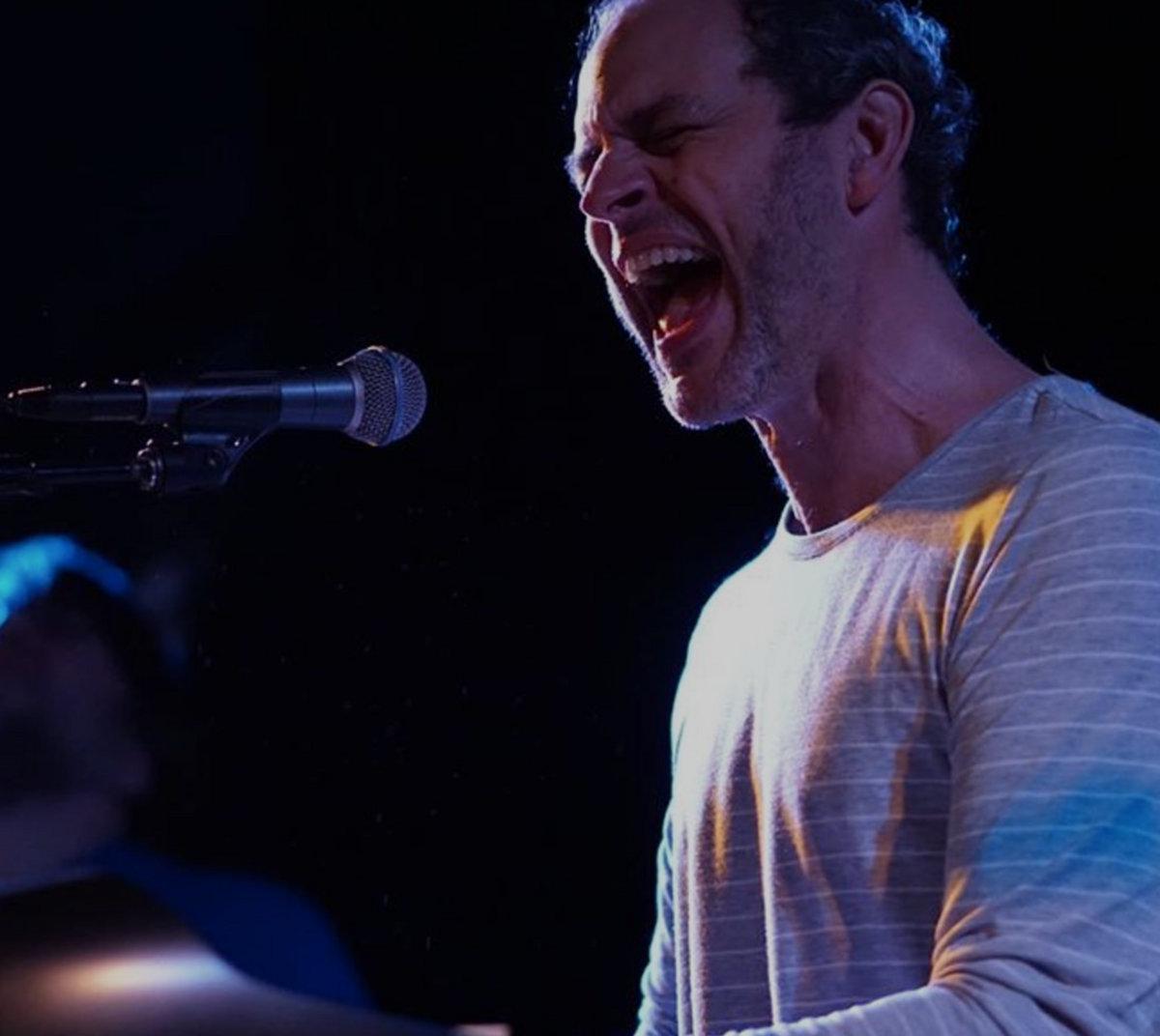
Matt Keating’s Spotify BioNew York-based singer/songwriter Matt Keating developed a somewhat minor cult following in the mid- to late '90s. The low-key Keating seems to have failed to connect with a larger audience, and his plucky Americana-tinged reveries and power pop recordings have been overshadowed by those of similar pop iconoclasts like Mark Kozelek (of Red House Painters), Elliott Smith, and Richard Buckner. Well over a decade later, Keating remains relatively unknown, even as he continues to write, record, and perform.
He began playing piano and guitar early in life, growing up in the Boston, MA, area. By the mid-'80s, Keating was supporting himself solely by playing piano at a club in Boston (reportedly it was a Mafia-run joint). He also worked with several local rock bands, including Circle Sky, before leaving to focus on a solo career. Keating eventually moved to New York City, where he performed on street corners, subway platforms, and during open-mike nights. Ultimately, his demos made their way… to the Burbank-based Alias label, which signed Keating to a contract. His first release, 1993's Tell It to Yourself, was produced and engineered by Keating at Brooklyn's Fireproof Studios, a spacious room that had been converted from an 1870s-era fire department house.
Keating continued to record at Fireproof, and just about every year since his debut he has seen each new release find a larger audience. An EP, Satan Sings, was released in 1994, followed by the full-length sophomore album, Scaryarea, which arrived in 1995, and in 1996 Keating recorded the Candy Valentine EP (which featured the original version of "That Kind of Girl," later recorded by Mary Lou Lord). The more critically acclaimed Killjoy was released in 1997. In 2001, after a somewhat lengthy bit of time off, Keating struck a deal to release his next album, Tilt a Whirl, on Alan McGee's Poptones label, in addition to releasing the album in the U.S. on his own imprint. The album debuted in 2003, and Keating set to work on more music the following year. The result was Summer Tonight, which was released in 2006. Quixotic followed two years later. ~ Bryan Thomas, Rovi
Viberate is a music analytics platform built for A&Rs, artist managers, labels, booking agents, marketers, and artists.
It helps music professionals track artist growth, analyze audience data, monitor playlist activity, compare artists, follow song performance, and identify opportunities across the music market.
Public artist pages provide a free preview of selected artist data. Paid plans provide access to deeper analytics, historical data, charts, comparisons, playlist tools, exports, alerts, reports, and additional professional features.
Yes. Public Viberate artist pages provide selected artist analytics and music data for free.
Viberate also offers a 7-day free trial of the full platform. A credit card is required to start the trial. The trial includes access to the complete product so users can test deeper artist analytics, historical views, playlist insights, comparisons, charts, exports, alerts, and reporting features before choosing a paid plan.
Viberate provides artist analytics across streaming, playlists, social media, video, radio airplay, songs, and audience markets.
Users can analyze Spotify performance, Spotify and Apple Music playlists, YouTube activity, TikTok and Instagram growth, radio spins, song performance, audience locations, demographics, rankings, and overall artist momentum.
Artist profiles also connect to music charts, similar artists, and comparison tools, helping users benchmark performance and evaluate artists in context.
Viberate updates key artist and track data daily.
For followed artists and tracks, selected data is refreshed multiple times per day. This helps teams monitor playlist changes, streaming movement, audience growth, releases, and campaign performance with more current data.
Update frequency can vary depending on the metric and data source.
Yes. Viberate lets users compare up to five artists side by side across streaming, social media, audience, and engagement metrics.
Users can compare fanbase growth, audience demographics, locations, Spotify performance, social metrics, and other artist data over selected time periods.
Artist comparison can be used for A&R scouting, benchmarking, booking decisions, campaign planning, and evaluating artists with similar audiences or market positions.