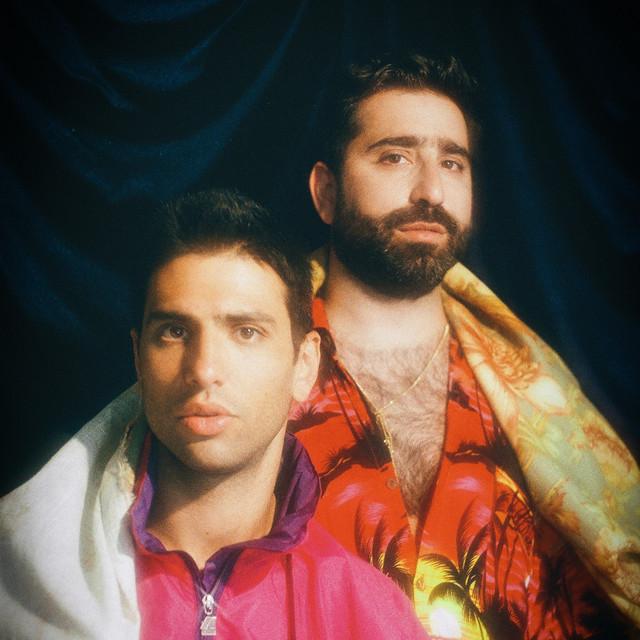
Mathias Delplanque

Electronic
Dance
Other Electronic Music
 Viberate Rank: 651563
 Viberate Rank: 651563
 Monthly ListenersFollowers
 Subscribers
 Followers
 Followers
 FansTop Spotify Songs
| Track | 7-Day Streams | |
|---|---|---|
1 | 29 | |
2 | 26 | |
3 | 24 | |
4 | 17 | |
5 | 16 |
Top YouTube VideosMonthly ListenersFeatured in Playlists| Playlist | Followers | |
|---|---|---|
1 |  Nice Field Recordings / Musique concrète Eule Chris | 1.02K |
Audience| City | Monthly Listeners | |
|---|---|---|
1 | | 6 |
2 |  | 5 |
3 |  | 4 |
4 | | 4 |
5 | | 3 |
See full performance history, audience data, playlist activity, rankings, comparisons, and more in Viberate music analytics. Start with a free trial, then continue with a paid plan.
Mathias Delplanque’s Spotify BioMathias Delplanque is a composer, a performer, an improviser, producer, a composer for theater and dance and the founding member of several musical ensembles. He collaborated with musicians from various points of the musical spectrum, and worked with numerous visual artists, writers, videasts, photographers, film directors, dancers… His installation works are frequently shown in galleries and art centers, and he regularly performs on stage, solo or accompanied by other musicians.
Mathias's sound work takes on several main lines and develops through different identities. Under the name Lena, he produced electronic music influenced as much by Jamaican music as by German minimal techno. Creations under his own name venture off beaten tracks to generate a music both hybrid and organic, intertwining electronic sounds, acoustic instruments and field recording, following an approach inspired by many musical traditions: drone, noise, trance music, African and Middle-Eastern
music…
Produced at… first exclusively in studio, Mathias Delplanque’s work has morphed into a process more flexible, organic and improvised. Showing a deep interest for live electronic music, he has developed a very personal approach to electronic improvisation, based on the use of multiple devices allowing him to engage the whole body into the production of real-time performances. His live creations usually associate electronic sounds and acoustic instruments, sampled and processed in real time.
Viberate is a music analytics platform built for A&Rs, artist managers, labels, booking agents, marketers, and artists.
It helps music professionals track artist growth, analyze audience data, monitor playlist activity, compare artists, follow song performance, and identify opportunities across the music market.
Public artist pages provide a free preview of selected artist data. Paid plans provide access to deeper analytics, historical data, charts, comparisons, playlist tools, exports, alerts, reports, and additional professional features.
Yes. Public Viberate artist pages provide selected artist analytics and music data for free.
Viberate also offers a 7-day free trial of the full platform. A credit card is required to start the trial. The trial includes access to the complete product so users can test deeper artist analytics, historical views, playlist insights, comparisons, charts, exports, alerts, and reporting features before choosing a paid plan.
Viberate provides artist analytics across streaming, playlists, social media, video, radio airplay, songs, and audience markets.
Users can analyze Spotify performance, Spotify and Apple Music playlists, YouTube activity, TikTok and Instagram growth, radio spins, song performance, audience locations, demographics, rankings, and overall artist momentum.
Artist profiles also connect to music charts, similar artists, and comparison tools, helping users benchmark performance and evaluate artists in context.
Viberate updates key artist and track data daily.
For followed artists and tracks, selected data is refreshed multiple times per day. This helps teams monitor playlist changes, streaming movement, audience growth, releases, and campaign performance with more current data.
Update frequency can vary depending on the metric and data source.
Yes. Viberate lets users compare up to five artists side by side across streaming, social media, audience, and engagement metrics.
Users can compare fanbase growth, audience demographics, locations, Spotify performance, social metrics, and other artist data over selected time periods.
Artist comparison can be used for A&R scouting, benchmarking, booking decisions, campaign planning, and evaluating artists with similar audiences or market positions.