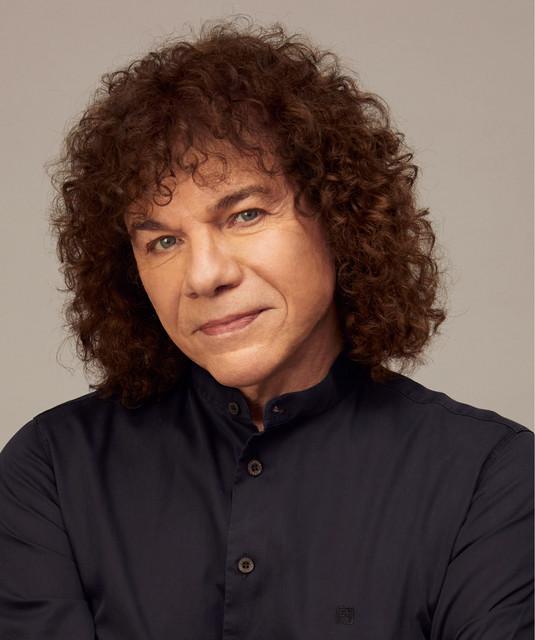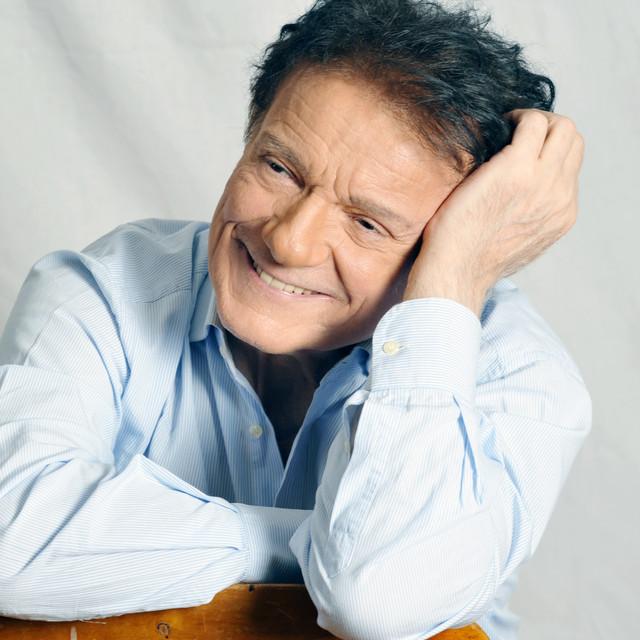
Massimo Ranieri

Pop
Mainstream Pop
Italian Folk
 Viberate Rank: 23414
 Viberate Rank: 23414
 Monthly ListenersFollowers
 Subscribers
 Followers
 Followers
 FansTop Spotify Songs
| Track | 7-Day Streams | |
|---|---|---|
1 | 216.23K | |
2 | 104.39K | |
3 | 49.47K | |
4 | 37.78K | |
5 | 24.22K |
Top YouTube VideosMonthly ListenersFeatured in Playlists| Playlist | Followers | |
|---|---|---|
1 |  Canzoni italiane da cantare (se vuoi perdere la voce) Spotify | 369.74K |
2 |  Anni 80 Spotify | 258.01K |
3 |  Canzoni d'amore italiane Spotify | 190.30K |
4 |  Anni 70 Spotify | 176.38K |
5 | ITALIANE 🇮🇹 70/80/90 Anna Lombardo | 126.30K |
Audience| City | Monthly Listeners | |
|---|---|---|
1 | | 68.70K |
2 | | 41.85K |
3 | | 26.66K |
4 | | 24.33K |
5 | | 23.47K |
See full performance history, audience data, playlist activity, rankings, comparisons, and more in Viberate music analytics. Start with a free trial, then continue with a paid plan.
Massimo Ranieri’s Spotify BioMassimo Ranieri, al secolo Giovanni Calone, nasce a Napoli nel 1951. Cantante e attore, Artista poliedrico, nel 1966 inizia ufficialmente la sua carriera, partecipando alle più importanti manifestazioni: vince due volte il Cantagiro, nel ’67 con Pietà per chi ti ama e nel ‘69 Rose rosse; arriva secondo a Canzonissima con Se bruciasse la città, l’anno seguente è vincitore con Vent'anni, e nel ‘73 con Erba di casa mia. Partecipa a due Festival di Sanremo sul finire degli anni ’60 ma la consacrazione arriverà nel 1988 quando vinse con Perdere l'amore. Tornerà al Festival negli anni ’90, con Ti penso, La vestaglia e Ti parlerò d'amore. All’attività di interprete, affianca l’attività di attore per il teatro, il cinema e la TV; molti spettacoli teatrali sono diventati anche album come 'O surdato 'nnammurato (Live) (regia di Vittorio De Sica), Napulammore, Macchie 'e culore (Live), Rinaldo in campo , Hollywood - ritratto di un divo. Negli anni 2000 si dedica alla rivisitazione della canzone… Napoletana: collabora con Mauro Pagani alla trilogia Oggi O Dimane, "Nun è acqua" e Accusì Grande e nel 2015 pubblica gli album "MALIA - Napoli 1950 -1960 e Malia Parte Seconda, nel quale interpreta classici della canzone partenopea rivisitati in chiave jazz. Nel 2020, ospite a Sanremo, presenta il singolo Mia Ragione, dall’album Qui e adesso dello stesso anno. Nel 2022, dopo 25 anni, partecipa al 72° Festival di Sanremo con "Lettera di là dal mare".
Viberate is a music analytics platform built for A&Rs, artist managers, labels, booking agents, marketers, and artists.
It helps music professionals track artist growth, analyze audience data, monitor playlist activity, compare artists, follow song performance, and identify opportunities across the music market.
Public artist pages provide a free preview of selected artist data. Paid plans provide access to deeper analytics, historical data, charts, comparisons, playlist tools, exports, alerts, reports, and additional professional features.
Yes. Public Viberate artist pages provide selected artist analytics and music data for free.
Viberate also offers a 7-day free trial of the full platform. A credit card is required to start the trial. The trial includes access to the complete product so users can test deeper artist analytics, historical views, playlist insights, comparisons, charts, exports, alerts, and reporting features before choosing a paid plan.
Viberate provides artist analytics across streaming, playlists, social media, video, radio airplay, songs, and audience markets.
Users can analyze Spotify performance, Spotify and Apple Music playlists, YouTube activity, TikTok and Instagram growth, radio spins, song performance, audience locations, demographics, rankings, and overall artist momentum.
Artist profiles also connect to music charts, similar artists, and comparison tools, helping users benchmark performance and evaluate artists in context.
Viberate updates key artist and track data daily.
For followed artists and tracks, selected data is refreshed multiple times per day. This helps teams monitor playlist changes, streaming movement, audience growth, releases, and campaign performance with more current data.
Update frequency can vary depending on the metric and data source.
Yes. Viberate lets users compare up to five artists side by side across streaming, social media, audience, and engagement metrics.
Users can compare fanbase growth, audience demographics, locations, Spotify performance, social metrics, and other artist data over selected time periods.
Artist comparison can be used for A&R scouting, benchmarking, booking decisions, campaign planning, and evaluating artists with similar audiences or market positions.