Maskk

Electronic
Techno
Hardstyle/Hardcore
 Viberate Rank: 168997
 Viberate Rank: 168997
 Monthly ListenersFollowers
 Subscribers
 Followers
 Followers
 FansTop Spotify Songs
| Track | 7-Day Streams | |
|---|---|---|
1 | 1.11K | |
2 | 1.08K | |
3 | 981 | |
4 | 428 | |
5 | 384 |
Top YouTube VideosMonthly ListenersFeatured in Playlists| Playlist | Followers | |
|---|---|---|
1 |  TEKNO RAVE Miriam FG | 35.73K |
2 |  FREE TEKNO PARTY Meegs Madama Carlizius | 21.20K |
3 |  TEKNO RAVE 💀 andyx23 | 5.92K |
4 |  MENTAL CORE Bryce Leenders | 2.90K |
5 |  MENTALCORE & TRIBE Mak¥ta23🌀 | 2.80K |
Audience| City | Monthly Listeners | |
|---|---|---|
1 | | 492 |
2 | | 254 |
3 | | 248 |
4 | | 213 |
5 |  | 196 |
See full performance history, audience data, playlist activity, rankings, comparisons, and more in Viberate music analytics. Start with a free trial, then continue with a paid plan.
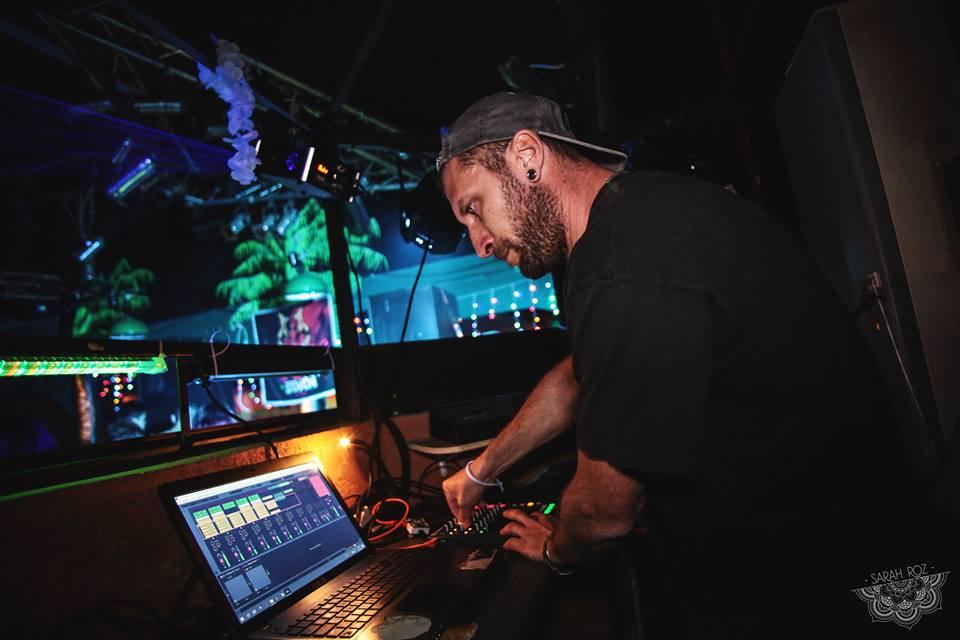
Maskk’s Spotify BioMeet Maskk, who began his sonic journey amid Rome’s vibrant “Illegal rave scene” in the mid-1990s. The pulsating rhythm of Italy’s Teknivals and Rave circuit soon drew him in, and the line between raver and DJ began to blur as he ventured into the art of mixing records.
In 1998, Maskk co-founded the formation of the audacious sound system, Kernel Panik. This collective fueled his travels across Europe, and soon, his captivating music led him to the vibrant cultures of Argentina and Brazil. In 2006, Maskk and Kernel Panik embarked on the ambitious South Side Mission, a two-year expedition across the Latin continent organizing enthralling festivals and free parties.
Maskk’s creativity didn’t stop at DJing – he soon began crafting live sets.
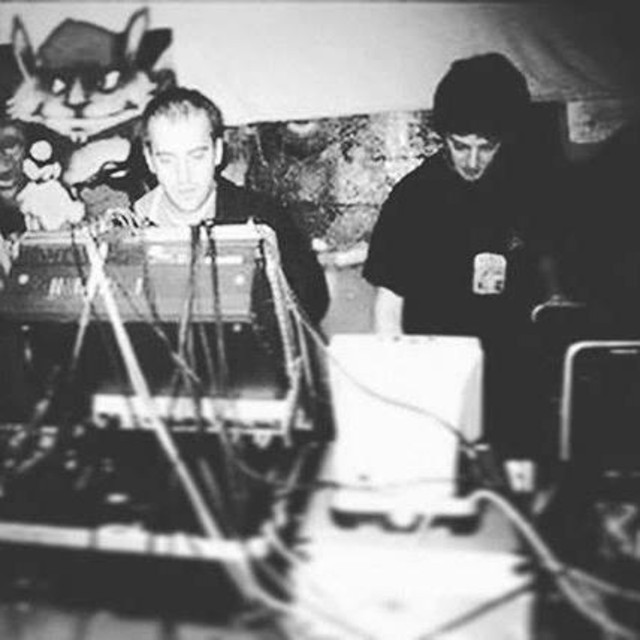
In 2013, he teamed up with Ixindamix, culminating in a dynamic live production duo. Their collaborations birthed numerous vinyl releases and the formation of their independent label, DONT PANIK INDEPENDENT RECORDS.
Over the years, Maskk’s undeniable… talent has seen him perform in a myriad of venues. , his music has resonated across the European peninsula. His consistent presence in clubs, discos, and festivals in various European cities is a testament to his craft.
Maskk’s legacy extends beyond the club scene. As a DJ and music maker, he’s become a regular at numerous international events and Festivals.
Viberate is a music analytics platform built for A&Rs, artist managers, labels, booking agents, marketers, and artists.
It helps music professionals track artist growth, analyze audience data, monitor playlist activity, compare artists, follow song performance, and identify opportunities across the music market.
Public artist pages provide a free preview of selected artist data. Paid plans provide access to deeper analytics, historical data, charts, comparisons, playlist tools, exports, alerts, reports, and additional professional features.
Yes. Public Viberate artist pages provide selected artist analytics and music data for free.
Viberate also offers a 7-day free trial of the full platform. A credit card is required to start the trial. The trial includes access to the complete product so users can test deeper artist analytics, historical views, playlist insights, comparisons, charts, exports, alerts, and reporting features before choosing a paid plan.
Viberate provides artist analytics across streaming, playlists, social media, video, radio airplay, songs, and audience markets.
Users can analyze Spotify performance, Spotify and Apple Music playlists, YouTube activity, TikTok and Instagram growth, radio spins, song performance, audience locations, demographics, rankings, and overall artist momentum.
Artist profiles also connect to music charts, similar artists, and comparison tools, helping users benchmark performance and evaluate artists in context.
Viberate updates key artist and track data daily.
For followed artists and tracks, selected data is refreshed multiple times per day. This helps teams monitor playlist changes, streaming movement, audience growth, releases, and campaign performance with more current data.
Update frequency can vary depending on the metric and data source.
Yes. Viberate lets users compare up to five artists side by side across streaming, social media, audience, and engagement metrics.
Users can compare fanbase growth, audience demographics, locations, Spotify performance, social metrics, and other artist data over selected time periods.
Artist comparison can be used for A&R scouting, benchmarking, booking decisions, campaign planning, and evaluating artists with similar audiences or market positions.