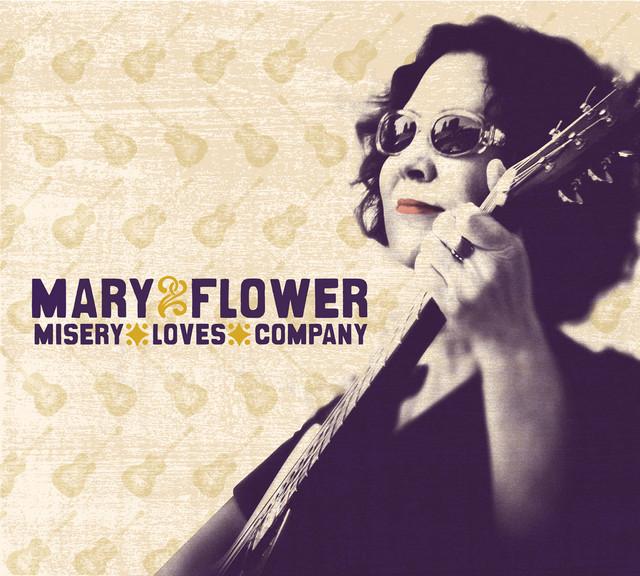
Mary Flower

Country
Americana/Alt Country
Classical Crossover
 Viberate Rank: 411464
 Viberate Rank: 411464
 Monthly ListenersFollowers
 Subscribers
 Followers
 Followers
 FansTop Spotify Songs
| Track | 7-Day Streams | |
|---|---|---|
1 | 141 | |
2 | 42 | |
3 | 19 | |
4 | 19 | |
5 | 17 |
Top YouTube Videos| Video | 7-Day Views | |
|---|---|---|
1 | 16 | |
2 | 10 | |
3 | 9 | |
4 | 8 | |
5 | 6 |
Monthly ListenersFeatured in Playlists| Playlist | Followers | |
|---|---|---|
1 | Slide Guitar Blues rinno20 | 8.63K |
2 | Melo's Favorites Yellow Mellow | 6.11K |
3 | Instrumental acoustic slide guitar songs EarlyBert | 1.98K |
Audience| City | Monthly Listeners | |
|---|---|---|
1 | | 19 |
2 |  | 9 |
3 |  | 9 |
4 |  | 8 |
5 | | 8 |
See full performance history, audience data, playlist activity, rankings, comparisons, and more in Viberate music analytics. Start with a free trial, then continue with a paid plan.
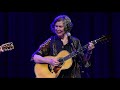
Mary Flower’s Spotify BioChances are that you'll find Mary Flower in the folk section of your local record shop. She did found a folk-cum-jazz-based ensemble called Mother Folkers in Denver, which was the mile-high city's leading women's folk collective; and she could look the part of a folkie "Earth mother" type. Flower moved seriously into blues over the last decade, however, and hasn't looked back since.
Born in Delphi, IN, Flower made her way to Denver at the beginning of the '70s, when she was in her twenties, and set up shop in the city's folk community; her gigs made her a name locally, and she established Mother Folkers. She always appreciated the blues, but it was a two-week period of study with Jim Schwall and Steve James at a blues workshop in West Virginia that transformed her.
Flower described herself as "consumed" by the experience, and made the decision to devote herself to the blues. She restarted her career, but initially encountered resistance, partly because she was a white blueswoman who… didn't conform to expectations -- ever since Janis Joplin, white female blues performers have been expected to sound like Big Mama Thornton, which Flower didn't, Scrapper Blackwell being more of a role model. Since the early 1990s, however, she has gradually achieved acceptance, and has played places like Buddy Guy's club in Chicago as well as various festivals, where she has been well received, and tours regionally and nationally.
As a folk artist, Flower played alongside Geoff Muldaur, David Bromberg, and Ramblin' Jack Elliot. Her work in blues, however, has been strongly influenced by Scrapper Blackwell, Henry Glover, and Robert Johnson, but especially Blind Lemon Jefferson. She plays with passion, none of it forced or posed, and she has a husky voice to go with the kind of stuff she covers -- she could sing prettier than she does, but what she does seems honest. She also writes originals with a cutting, clever edge. Flower has been around about as long as Bonnie Raitt, only without the major-label record contracts, the arena and movie appearances, or the Grammy, and deserves to be known by at least as many people. ~ Bruce Eder, Rovi
Viberate is a music analytics platform built for A&Rs, artist managers, labels, booking agents, marketers, and artists.
It helps music professionals track artist growth, analyze audience data, monitor playlist activity, compare artists, follow song performance, and identify opportunities across the music market.
Public artist pages provide a free preview of selected artist data. Paid plans provide access to deeper analytics, historical data, charts, comparisons, playlist tools, exports, alerts, reports, and additional professional features.
Yes. Public Viberate artist pages provide selected artist analytics and music data for free.
Viberate also offers a 7-day free trial of the full platform. A credit card is required to start the trial. The trial includes access to the complete product so users can test deeper artist analytics, historical views, playlist insights, comparisons, charts, exports, alerts, and reporting features before choosing a paid plan.
Viberate provides artist analytics across streaming, playlists, social media, video, radio airplay, songs, and audience markets.
Users can analyze Spotify performance, Spotify and Apple Music playlists, YouTube activity, TikTok and Instagram growth, radio spins, song performance, audience locations, demographics, rankings, and overall artist momentum.
Artist profiles also connect to music charts, similar artists, and comparison tools, helping users benchmark performance and evaluate artists in context.
Viberate updates key artist and track data daily.
For followed artists and tracks, selected data is refreshed multiple times per day. This helps teams monitor playlist changes, streaming movement, audience growth, releases, and campaign performance with more current data.
Update frequency can vary depending on the metric and data source.
Yes. Viberate lets users compare up to five artists side by side across streaming, social media, audience, and engagement metrics.
Users can compare fanbase growth, audience demographics, locations, Spotify performance, social metrics, and other artist data over selected time periods.
Artist comparison can be used for A&R scouting, benchmarking, booking decisions, campaign planning, and evaluating artists with similar audiences or market positions.