Mary Bevan

Classical
Opera
Choral
 Viberate Rank: 327136
 Viberate Rank: 327136
 Monthly ListenersFollowers
 Subscribers
 Followers
 Followers
 FansTop Spotify SongsTop YouTube VideosMonthly ListenersFeatured in Playlists
| Playlist | Followers | |
|---|---|---|
1 |  Barroco (Vivaldi/Bach/Händel) Gus | 11.76K |
2 | 🎶 My Accapella Favorites Alyssa | 1.95K |
3 | Ralph Vaughan Williams - Complete Chronological Catalogue Ulysses' Classical | 1.16K |
4 | Mujeres sopranos Miriam Midley | 1.03K |
Audience| City | Monthly Listeners | |
|---|---|---|
1 | | 121 |
2 |  | 70 |
3 |  | 43 |
4 |  | 41 |
5 |  | 38 |
See full performance history, audience data, playlist activity, rankings, comparisons, and more in Viberate music analytics. Start with a free trial, then continue with a paid plan.
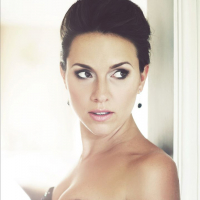
Mary Bevan’s Spotify BioSoprano Mary Bevan is among the most versatile figures on the British operatic scene, with a repertory stretching from Claudio Monteverdi to contemporary premieres. She is particularly known for her roles in Handel and Mozart operas, and has a busy recital and concert career alongside these.
Bevan was born in Hertford in southeast England in 1985 into a musical family: her sister Sophie Bevan and uncle Benjamin Bevan are both successful vocal soloists, and her father, David Bevan, was a conductor and composer. Mary attended Trinity College, Cambridge, studying Anglo-Saxon, Norse, and Celtic. She sang operatically and chorally at Cambridge and then, in a common pattern, went on to the Royal Academy of Music, where she studied with Lillian Watson and Audrey Hyland. Bevan has appeared at Covent Garden, the English National Opera, Madrid, Rome, Venice, Monte Carlo and Munich opera houses, among others. She is a winner of the Royal Philharmonic Society's Young Artist Award, a Critic’s Choice… Circle Award and received an MBE in 2019.
Bevan has recorded for Signum Classics, Chandos, Naxos and Hyperion, among others. She made her recording debut in 2012 on Stone Records, with an installment in a cycle of songs by Hugo Wolf, and her recording schedule in the late 2010s and early 2020s has been vigorous. She has released four solo albums with Signum: Voyages (2017); The Divine Muse (2019); Visions Illuminées (2023); Elegy (2025).
Viberate is a music analytics platform built for A&Rs, artist managers, labels, booking agents, marketers, and artists.
It helps music professionals track artist growth, analyze audience data, monitor playlist activity, compare artists, follow song performance, and identify opportunities across the music market.
Public artist pages provide a free preview of selected artist data. Paid plans provide access to deeper analytics, historical data, charts, comparisons, playlist tools, exports, alerts, reports, and additional professional features.
Yes. Public Viberate artist pages provide selected artist analytics and music data for free.
Viberate also offers a 7-day free trial of the full platform. A credit card is required to start the trial. The trial includes access to the complete product so users can test deeper artist analytics, historical views, playlist insights, comparisons, charts, exports, alerts, and reporting features before choosing a paid plan.
Viberate provides artist analytics across streaming, playlists, social media, video, radio airplay, songs, and audience markets.
Users can analyze Spotify performance, Spotify and Apple Music playlists, YouTube activity, TikTok and Instagram growth, radio spins, song performance, audience locations, demographics, rankings, and overall artist momentum.
Artist profiles also connect to music charts, similar artists, and comparison tools, helping users benchmark performance and evaluate artists in context.
Viberate updates key artist and track data daily.
For followed artists and tracks, selected data is refreshed multiple times per day. This helps teams monitor playlist changes, streaming movement, audience growth, releases, and campaign performance with more current data.
Update frequency can vary depending on the metric and data source.
Yes. Viberate lets users compare up to five artists side by side across streaming, social media, audience, and engagement metrics.
Users can compare fanbase growth, audience demographics, locations, Spotify performance, social metrics, and other artist data over selected time periods.
Artist comparison can be used for A&R scouting, benchmarking, booking decisions, campaign planning, and evaluating artists with similar audiences or market positions.