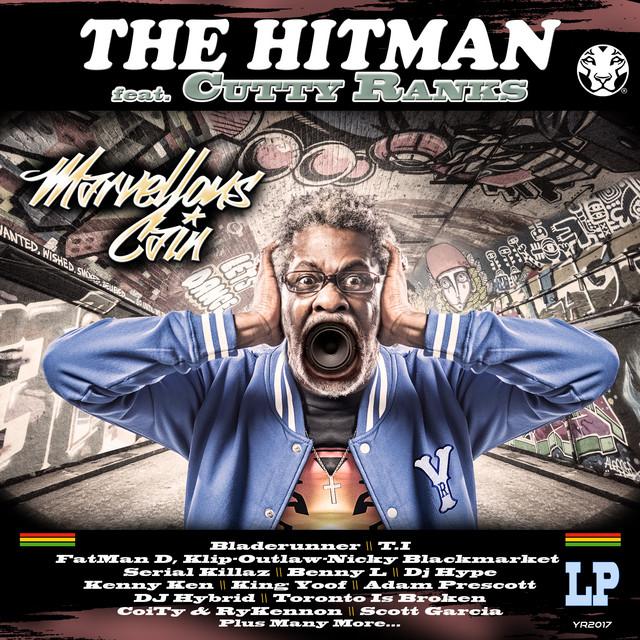
Marvellous Cain

Electronic
Drum & Bass
 Viberate Rank: 107054
 Viberate Rank: 107054
 Monthly ListenersFollowers
 Subscribers
 Followers
 Followers
 FansTop Spotify Songs
| Track | 7-Day Streams | |
|---|---|---|
1 | 6.41K | |
2 | 4.65K | |
3 | 1.96K | |
4 | 1.69K | |
5 | 1.26K |
Top YouTube VideosMonthly ListenersFeatured in Playlists| Playlist | Followers | |
|---|---|---|
1 |  Jungle Classics Spotify | 102.40K |
2 |  Jungle Drum & Bass drik | 67.53K |
3 |  Jungle is Massive 💫 Em💫 | 61.82K |
4 |  Drum and Bass / Jungle / Reggae Jeffrey Bosman | 39.40K |
5 |  UK Rave - Drum and Bass / Jungle UKRave | 28.49K |
Audience| City | Monthly Listeners | |
|---|---|---|
1 | | 2.67K |
2 | | 770 |
3 | | 630 |
4 | | 481 |
5 | | 351 |
See full performance history, audience data, playlist activity, rankings, comparisons, and more in Viberate music analytics. Start with a free trial, then continue with a paid plan.
Marvellous Cain’s Spotify BioMarvellous Cain had a series of big tunes during jungle's ragga heyday in 1993-94, including "The Hitman" and "Dub Plate Style." Before signing to Suburban Base in 1995, Cain released tracks on labelmate Sponge's I.Q. imprint, collaborating with Sponge and current Ganja Kru member Pascal under a barrage of names, including Lion Man, Badman, and Gunman. A DJ as well as producer, Cain began typically enough, spinning rave and hardcore in the early '90s and following the style into full-blown jungle by the middle of the decade. He established his own label, Runninz, out of the ashes of I.Q., and has released tracks there as Runninz Kru and CoCain. Cain's sample-heavy style got him into a bit of trouble with his first hit, "Hitman," which sampled a large section of a Cutty Ranks record; Cain agreed to a few remixes for Cutty to keep the issue out of the courts. Cain released Gun Talk, a full-length collection of his most well-known tracks (as well as a few new ones), on Sub Base in 1996.… He has since focused on Runninz releases, cutting his Sub Base output to three singles a year. He continues to DJ at the international level. ~ Sean Cooper, Rovi
Viberate is a music analytics platform built for A&Rs, artist managers, labels, booking agents, marketers, and artists.
It helps music professionals track artist growth, analyze audience data, monitor playlist activity, compare artists, follow song performance, and identify opportunities across the music market.
Public artist pages provide a free preview of selected artist data. Paid plans provide access to deeper analytics, historical data, charts, comparisons, playlist tools, exports, alerts, reports, and additional professional features.
Yes. Public Viberate artist pages provide selected artist analytics and music data for free.
Viberate also offers a 7-day free trial of the full platform. A credit card is required to start the trial. The trial includes access to the complete product so users can test deeper artist analytics, historical views, playlist insights, comparisons, charts, exports, alerts, and reporting features before choosing a paid plan.
Viberate provides artist analytics across streaming, playlists, social media, video, radio airplay, songs, and audience markets.
Users can analyze Spotify performance, Spotify and Apple Music playlists, YouTube activity, TikTok and Instagram growth, radio spins, song performance, audience locations, demographics, rankings, and overall artist momentum.
Artist profiles also connect to music charts, similar artists, and comparison tools, helping users benchmark performance and evaluate artists in context.
Viberate updates key artist and track data daily.
For followed artists and tracks, selected data is refreshed multiple times per day. This helps teams monitor playlist changes, streaming movement, audience growth, releases, and campaign performance with more current data.
Update frequency can vary depending on the metric and data source.
Yes. Viberate lets users compare up to five artists side by side across streaming, social media, audience, and engagement metrics.
Users can compare fanbase growth, audience demographics, locations, Spotify performance, social metrics, and other artist data over selected time periods.
Artist comparison can be used for A&R scouting, benchmarking, booking decisions, campaign planning, and evaluating artists with similar audiences or market positions.