Martin Short

Pop
Mainstream Pop
 Viberate Rank: 217204
 Viberate Rank: 217204
 Monthly ListenersFollowers
 Subscribers
 Followers
 Followers
 FansTop Spotify Songs
| Track | 7-Day Streams | |
|---|---|---|
1 | 29.25K | |
2 | 9.77K | |
3 | 8.08K | |
4 | 3.10K | |
5 | 2.38K |
Top YouTube VideosMonthly ListenersFeatured in Playlists| Playlist | Followers | |
|---|---|---|
1 |  Disney Classics Spotify | 420.81K |
2 |  Ariana - all songs Ay | 159.63K |
3 |  all ariana grande songs vera giovannini | 72.30K |
4 |  2025 DANCE PARTY🕺 CDBEATS | 57.78K |
5 |  Disney Reimagined Spotify | 38.78K |
Audience| City | Monthly Listeners | |
|---|---|---|
1 |  | 1.66K |
2 |  | 1.55K |
3 | | 1.32K |
4 | | 1.28K |
5 | | 1.13K |
See full performance history, audience data, playlist activity, rankings, comparisons, and more in Viberate music analytics. Start with a free trial, then continue with a paid plan.
Martin Short’s Spotify BioComic actor Martin Short has become famous for his ability to disappear within his characters -- so much so that several of them (über-geek Ed Grimley, unctuous chat show host Jiminy Glick, second-string celebrity Jackie Rodgers, Jr., heavily accented wedding planner Franck Eggelhoffer) are probably more easily recognized than the actor who portrayed them. Born in Hamilton, Ontario, Canada, in 1950, Short attended nearby McMaster University, where he received a degree in social work in 1972. However, Short had developed an interest in music and theater while a student, and with the encouragement of his mother (a former musician who had performed with the Hamilton Symphony), Short landed a role in the Toronto production of the musical Godspell the year he received his degree. Toronto's Godspell became a touchstone of Canadian comedy, with the cast including Short, Gilda Radner, Eugene Levy, Dave Thomas, and Andrea Martin, while Paul Shaffer served as musical director. On the advice of… friends from McMaster and the Godspell cast, Short continued to act, and joined the cast of Toronto's Second City improvisational comedy troupe in Toronto in 1977. When members of the Toronto Second City company were tapped to appear on the television series SCTV, Short joined the cast in 1983 (but not before appearing on a pair of short-lived American sitcoms).
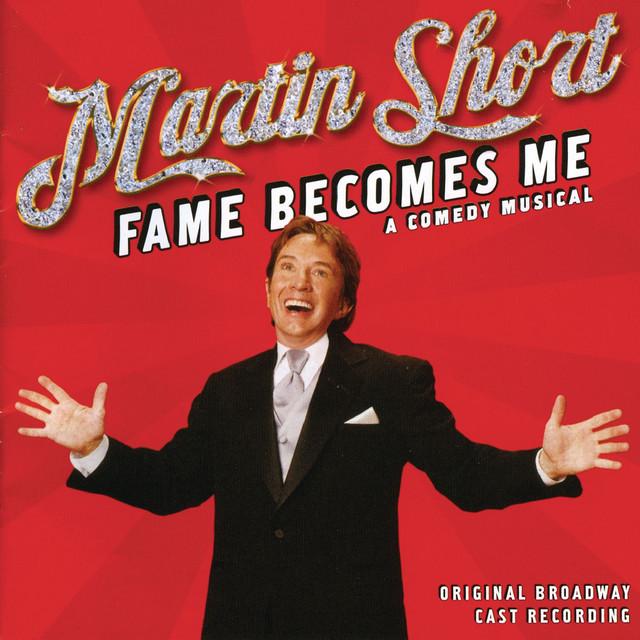
Short soon moved on to the cast of Saturday Night Live in 1984, and his musical skills came in handy as he periodically appeared in musical numbers on both SCTV and SNL. After leaving SNL, Short went on to a long and successful career in movies and television, but he also found time to pursue his love of the musical theater. In 1993, Short starred in the Broadway musical version of The Goodbye Girl, and in 1998 was cast in the lead of a Broadway revival of Little Me, which earned him a Tony Award. In Los Angeles, Short played Leo Bloom in the first West Coast production of Mel Brooks' The Producers, and also starred in John Patrick Shanley's Four Dogs and a Bone. And in 2006, Short starred in a musical comedy revue, Martin Short: Fame Becomes Me, which enjoyed a five-month run on Broadway and a successful tour through a number of major American cities. ~ Mark Deming, Rovi
Viberate is a music analytics platform built for A&Rs, artist managers, labels, booking agents, marketers, and artists.
It helps music professionals track artist growth, analyze audience data, monitor playlist activity, compare artists, follow song performance, and identify opportunities across the music market.
Public artist pages provide a free preview of selected artist data. Paid plans provide access to deeper analytics, historical data, charts, comparisons, playlist tools, exports, alerts, reports, and additional professional features.
Yes. Public Viberate artist pages provide selected artist analytics and music data for free.
Viberate also offers a 7-day free trial of the full platform. A credit card is required to start the trial. The trial includes access to the complete product so users can test deeper artist analytics, historical views, playlist insights, comparisons, charts, exports, alerts, and reporting features before choosing a paid plan.
Viberate provides artist analytics across streaming, playlists, social media, video, radio airplay, songs, and audience markets.
Users can analyze Spotify performance, Spotify and Apple Music playlists, YouTube activity, TikTok and Instagram growth, radio spins, song performance, audience locations, demographics, rankings, and overall artist momentum.
Artist profiles also connect to music charts, similar artists, and comparison tools, helping users benchmark performance and evaluate artists in context.
Viberate updates key artist and track data daily.
For followed artists and tracks, selected data is refreshed multiple times per day. This helps teams monitor playlist changes, streaming movement, audience growth, releases, and campaign performance with more current data.
Update frequency can vary depending on the metric and data source.
Yes. Viberate lets users compare up to five artists side by side across streaming, social media, audience, and engagement metrics.
Users can compare fanbase growth, audience demographics, locations, Spotify performance, social metrics, and other artist data over selected time periods.
Artist comparison can be used for A&R scouting, benchmarking, booking decisions, campaign planning, and evaluating artists with similar audiences or market positions.