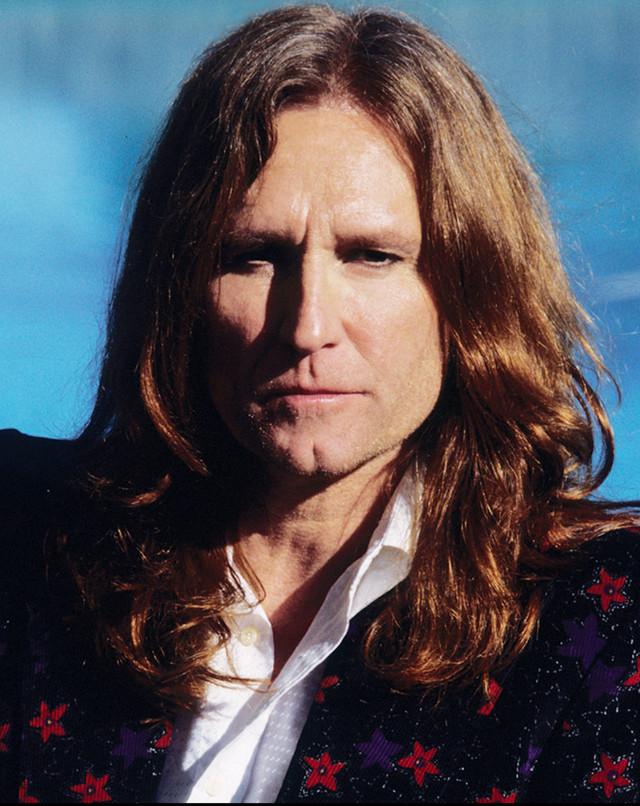
Martika

Pop
Mainstream Pop
Funk
 Viberate Rank: 19240
 Viberate Rank: 19240
 Monthly ListenersFollowers
 Subscribers
 Followers
 Followers
 FansTop Spotify Songs
| Track | 7-Day Streams | |
|---|---|---|
1 | 329.56K | |
2 | 61.76K | |
3 | 29.45K | |
4 | 20.22K | |
5 | 14.53K |
Top YouTube Videos| Video | 7-Day Views | |
|---|---|---|
1 | 276.81K | |
2 | 34.52K | |
3 | 13.35K | |
4 | 4.79K | |
5 | 2.00K |
Monthly ListenersFeatured in Playlists| Playlist | Followers | |
|---|---|---|
1 |  Summer Hits of the 80s Spotify | 569.08K |
2 |  MÚSICA DE LOS 80 y 90 🎧 Clásicos de los 80 + Música de los 90 (Música en inglés) Soy William | 391.93K |
3 |  80s Ballads Hits Filtr Sweden | 292.67K |
4 |  Anos 80 internacional. Só as melhores! Juliano Vasconcellos | 277.58K |
5 |  1980s Pop Express Filtr | 183.58K |
Audience| City | Monthly Listeners | |
|---|---|---|
1 |  | 30.71K |
2 |  | 19.47K |
3 |  | 13.46K |
4 | | 12.93K |
5 | | 11.40K |
See full performance history, audience data, playlist activity, rankings, comparisons, and more in Viberate music analytics. Start with a free trial, then continue with a paid plan.
Martika’s Spotify BioMartika appeared after teen girls like Tiffany and Debbie Gibson returned adolescent bubblegum to the pop charts. Martika was born as Marta Marrero in Whittier, CA, on May 18, 1969. Her parents were originally from Cuba; however, they left the country during a revolution. Raised in California, Martika started acting before launching a recording career, appearing in the film version of Annie in 1982 and on the TV series Kids Incorporated from 1984 to 1986. In 1988, her first single, "More Than You Know," landed on the American charts; a year later, its follow-up, "Toy Soldiers," was number one in the U.S. for two weeks. Martika's self-titled debut album was also released in 1989. On her second LP, 1991's Martika's Kitchen, she received songwriting assistance from Prince, to whom she was also briefly romantically linked. Martika returned to television by joining the cast of Wiseguy. In 1999, she recorded "The Happy Song." ~ Michael Sutton
Viberate is a music analytics platform built for A&Rs, artist managers, labels, booking agents, marketers, and artists.
It helps music professionals track artist growth, analyze audience data, monitor playlist activity, compare artists, follow song performance, and identify opportunities across the music market.
Public artist pages provide a free preview of selected artist data. Paid plans provide access to deeper analytics, historical data, charts, comparisons, playlist tools, exports, alerts, reports, and additional professional features.
Yes. Public Viberate artist pages provide selected artist analytics and music data for free.
Viberate also offers a 7-day free trial of the full platform. A credit card is required to start the trial. The trial includes access to the complete product so users can test deeper artist analytics, historical views, playlist insights, comparisons, charts, exports, alerts, and reporting features before choosing a paid plan.
Viberate provides artist analytics across streaming, playlists, social media, video, radio airplay, songs, and audience markets.
Users can analyze Spotify performance, Spotify and Apple Music playlists, YouTube activity, TikTok and Instagram growth, radio spins, song performance, audience locations, demographics, rankings, and overall artist momentum.
Artist profiles also connect to music charts, similar artists, and comparison tools, helping users benchmark performance and evaluate artists in context.
Viberate updates key artist and track data daily.
For followed artists and tracks, selected data is refreshed multiple times per day. This helps teams monitor playlist changes, streaming movement, audience growth, releases, and campaign performance with more current data.
Update frequency can vary depending on the metric and data source.
Yes. Viberate lets users compare up to five artists side by side across streaming, social media, audience, and engagement metrics.
Users can compare fanbase growth, audience demographics, locations, Spotify performance, social metrics, and other artist data over selected time periods.
Artist comparison can be used for A&R scouting, benchmarking, booking decisions, campaign planning, and evaluating artists with similar audiences or market positions.