Marti Pellow

Pop
Mainstream Pop
Soul
 Viberate Rank: 92344
 Viberate Rank: 92344
 Monthly ListenersFollowers
 Subscribers
 Followers
 Followers
 FansTop Spotify Songs
| Track | 7-Day Streams | |
|---|---|---|
1 | 1.82K | |
2 | 946 | |
3 | 909 | |
4 | 589 | |
5 | 477 |
Top YouTube Videos| Video | 7-Day Views | |
|---|---|---|
1 | 1.39K | |
2 | 319 | |
3 | 289 | |
4 | 227 | |
5 | 164 |
Monthly ListenersFeatured in Playlists| Playlist | Followers | |
|---|---|---|
1 |  Now 1 - 114 (1983 - 2023) Now That's What I Call Music 1 - 114 abundantmusic | 56.69K |
2 |  Glastonbury 2019 RM | 14.13K |
3 |  The Wheel of Time: Official Playlist Prime Video | 9.73K |
4 |  Wedding First Dance Simon Casey | 5.92K |
5 |  Now 49 (2001) Now That's What I Call Music 49 abundantmusic | 5.82K |
Audience| City | Monthly Listeners | |
|---|---|---|
1 | | 696 |
2 | | 479 |
3 | | 459 |
4 | | 265 |
5 |  | 166 |
See full performance history, audience data, playlist activity, rankings, comparisons, and more in Viberate music analytics. Start with a free trial, then continue with a paid plan.
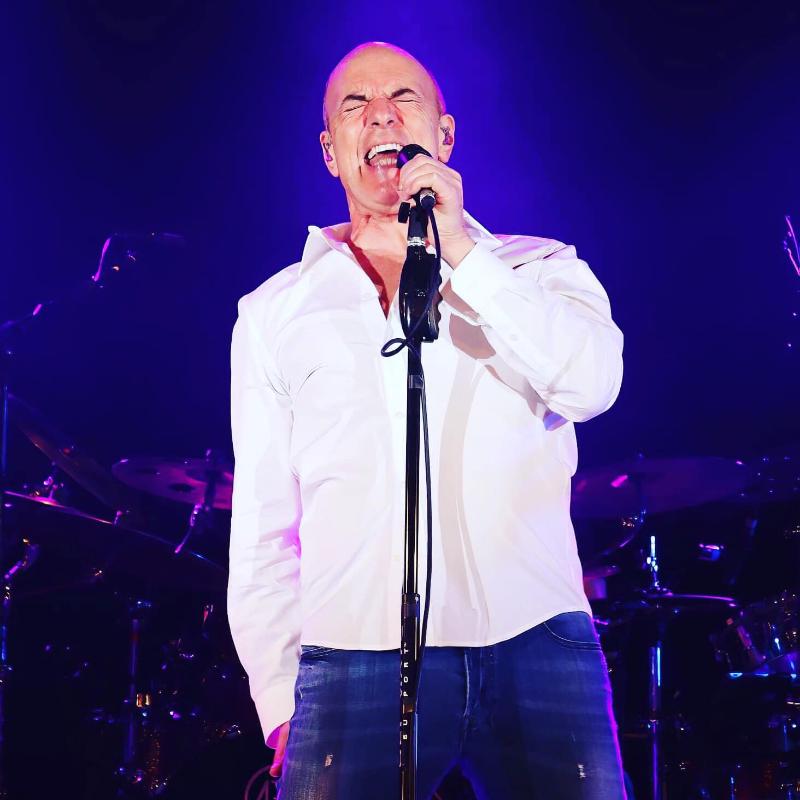
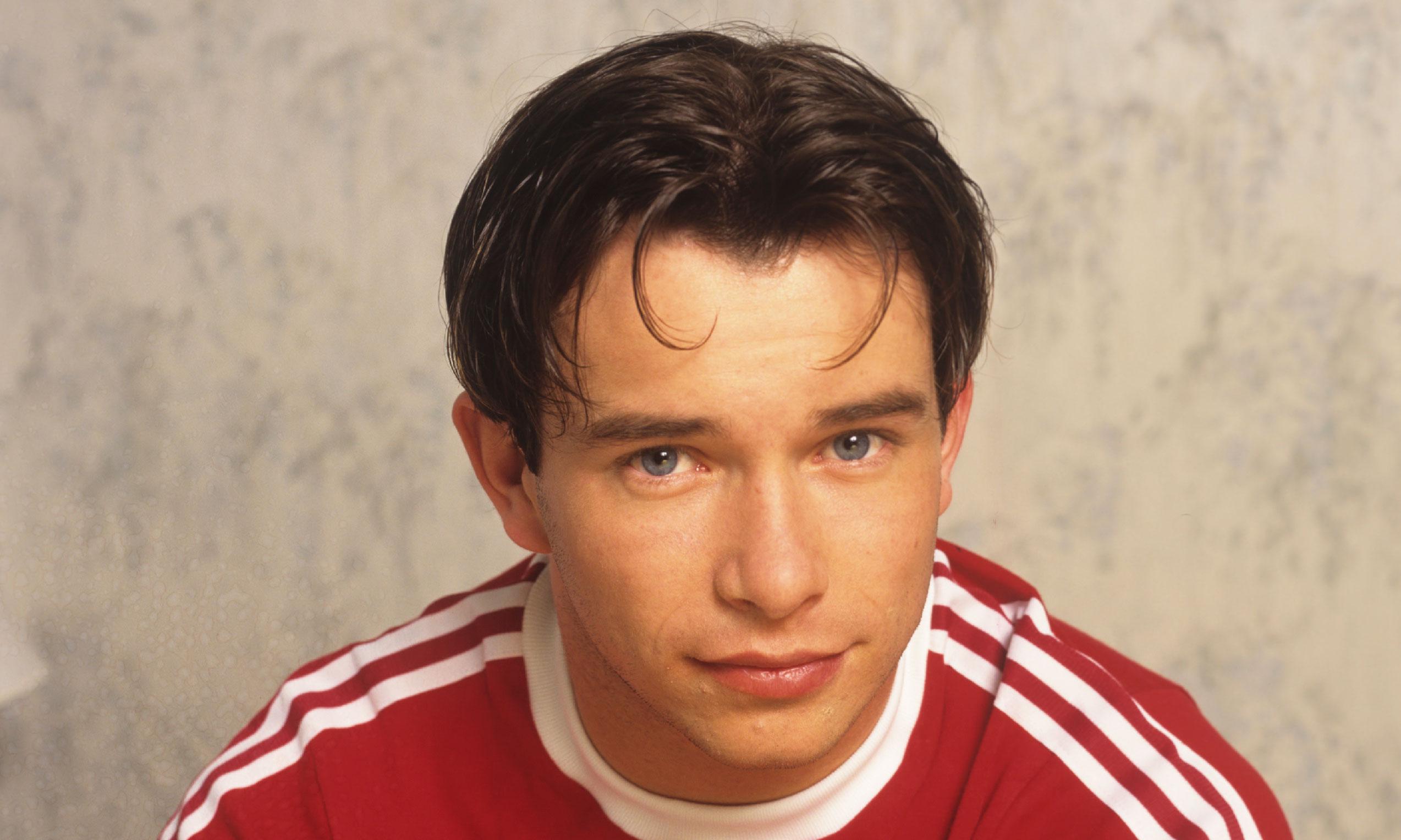
Marti Pellow’s Spotify BioScottish singer, songwriter, and actor Marti Pellow first rose to fame in the late 1980s as the frontman for Wet Wet Wet, a pop group whose slick blend of soft rock and blue-eyed soul yielded a clutch of hits lasting well into the '90s. They hit their commercial peak with their chart-topping cover of the Troggs' classic "Love Is All Around," which was an international success thanks in part to its inclusion in the film Four Weddings and a Funeral. Beginning with 2000's gold-certified Smile, Pellow launched a successful and diverse solo career that has ranged from pop and R&B to jazz and showtunes. Concurrently he has worked consistently as a stage actor, playing major roles in musicals like Chicago, Chess, and Evita while occasionally appearing on television. When Wet Wet Wet re-formed in the mid-2000s, Pellow resumed his role as lead singer, appearing on their 2007 LP, Timeless, and touring with the group in between solo releases up until his departure in 2017. Following the… collaborative Mysterious album, he devoted himself to touring his own work and released his 11th album, Stargazer, in early 2021.
Born Mark McLachlan in Clydebank, Scotland, on March 23, 1965, Pellow was 17 when he co-founded Wet Wet Wet with friends Neil Mitchell, Graeme Clark, Tommy Cunningham, and Graeme Duffin; upon signing to PolyGram in 1985, the group scored their first hit two years later with "Wishing I Was Lucky," followed in 1988 by their first U.K. number one, a cover of the Beatles' "With a Little Help from My Friends" cut for the charity ChildLine. Hits including "Sweet Surrender" and "Goodnight Girl" preceded a 1994 cover of the Troggs' "Love Is All Around," which was featured prominently in the romantic comedy Four Weddings and a Funeral and subsequently spent an astounding 14 consecutive weeks atop the British charts. Despite the success of 1997's 10, the group had begun to splinter, and Pellow, struggling to kick a heroin habit, left in 1999.
After sobering up, he began working with Squeeze's Chris Difford, who helped write lyrics to a number of Pellow's new solo songs. He made his solo debut with 2001's Smile, notching the minor hits "Close to You" and "I've Been Around the World," then continued his re-brand with the 2002 compilation Marti Pellow Sings the Hits of Wet Wet Wet & Smile, which featured re-recordings of his previous band's material. Another more diverse covers collection, Between the Covers, hit retail in late 2003, and the following year Pellow co-starred as attorney Billy Flynn in a West End production of the hit stage musical Chicago. In 2004, Wet Wet Wet announced plans for a reunion tour, also recording a brand-new track, "All I Want," for an upcoming Greatest Hits collection. At the end of the tour Pellow teamed with famed soul producer Willie Mitchell to record a new solo effort, 2006's Moonlight Over Memphis. He remained busy throughout 2007 with the release of Wet Wet Wet's eighth album, Timeless, a winning appearance on the BBC reality singing contest Just the Two of Us, and a solo foray into the jazz scene which manifested itself the following year on his jazz album Sentimental Me. Also in 2008, he appeared as the Arbiter in a Royal Albert Hall staging of Chess; a recording which was later released in both audio and video incarnations as Chess in Concert.
Pellow's output remained strong heading into the next decade with 2010's Devil and the Monkey. His romantic, orchestral seventh album, 2011's Love to Love, returned him to the British Top 40 while he starred in a touring production of Jekyll and Hyde. Maintaining a prolific pace, he recorded two more albums, 2013's Hope and 2014's Boulevard of Life, while also appearing in as Che Guevara in a major production of Evita. For 2017's super-funky, soulful Mysterious, Pellow pulled out all the stops, traveling to the iconic Ocean Way studios in Los Angeles, where he got the opportunity to collaborate with many of his musical heroes, including percussionist Lenny Castro, guitarist Dean Parks, drummer Herman Matthews, bassist Freddie Washington, and the legendary Tower of Power horns. The following year, Pellow celebrated 30 years in the industry with his Private Collection Tour, which saw him diving into his vast back catalog of work, performing the hits at sold-out shows across the U.K. Touring continued into 2019, including a slot at Glastonbury, before the COVID-19 pandemic put a stop to live music throughout 2020. Not forgetting his fans, Pellow started to broadcast renditions of classic songs and covers from his spare bedroom as the U.K. during the pandemic, while also raising much-needed money and awareness for local charities. During that time, he also managed to start recording his 11th studio album, Stargazer. The finished album was issued at the beginning of 2021. ~ Jason Ankeny, Rovi
Viberate is a music analytics platform built for A&Rs, artist managers, labels, booking agents, marketers, and artists.
It helps music professionals track artist growth, analyze audience data, monitor playlist activity, compare artists, follow song performance, and identify opportunities across the music market.
Public artist pages provide a free preview of selected artist data. Paid plans provide access to deeper analytics, historical data, charts, comparisons, playlist tools, exports, alerts, reports, and additional professional features.
Yes. Public Viberate artist pages provide selected artist analytics and music data for free.
Viberate also offers a 7-day free trial of the full platform. A credit card is required to start the trial. The trial includes access to the complete product so users can test deeper artist analytics, historical views, playlist insights, comparisons, charts, exports, alerts, and reporting features before choosing a paid plan.
Viberate provides artist analytics across streaming, playlists, social media, video, radio airplay, songs, and audience markets.
Users can analyze Spotify performance, Spotify and Apple Music playlists, YouTube activity, TikTok and Instagram growth, radio spins, song performance, audience locations, demographics, rankings, and overall artist momentum.
Artist profiles also connect to music charts, similar artists, and comparison tools, helping users benchmark performance and evaluate artists in context.
Viberate updates key artist and track data daily.
For followed artists and tracks, selected data is refreshed multiple times per day. This helps teams monitor playlist changes, streaming movement, audience growth, releases, and campaign performance with more current data.
Update frequency can vary depending on the metric and data source.
Yes. Viberate lets users compare up to five artists side by side across streaming, social media, audience, and engagement metrics.
Users can compare fanbase growth, audience demographics, locations, Spotify performance, social metrics, and other artist data over selected time periods.
Artist comparison can be used for A&R scouting, benchmarking, booking decisions, campaign planning, and evaluating artists with similar audiences or market positions.