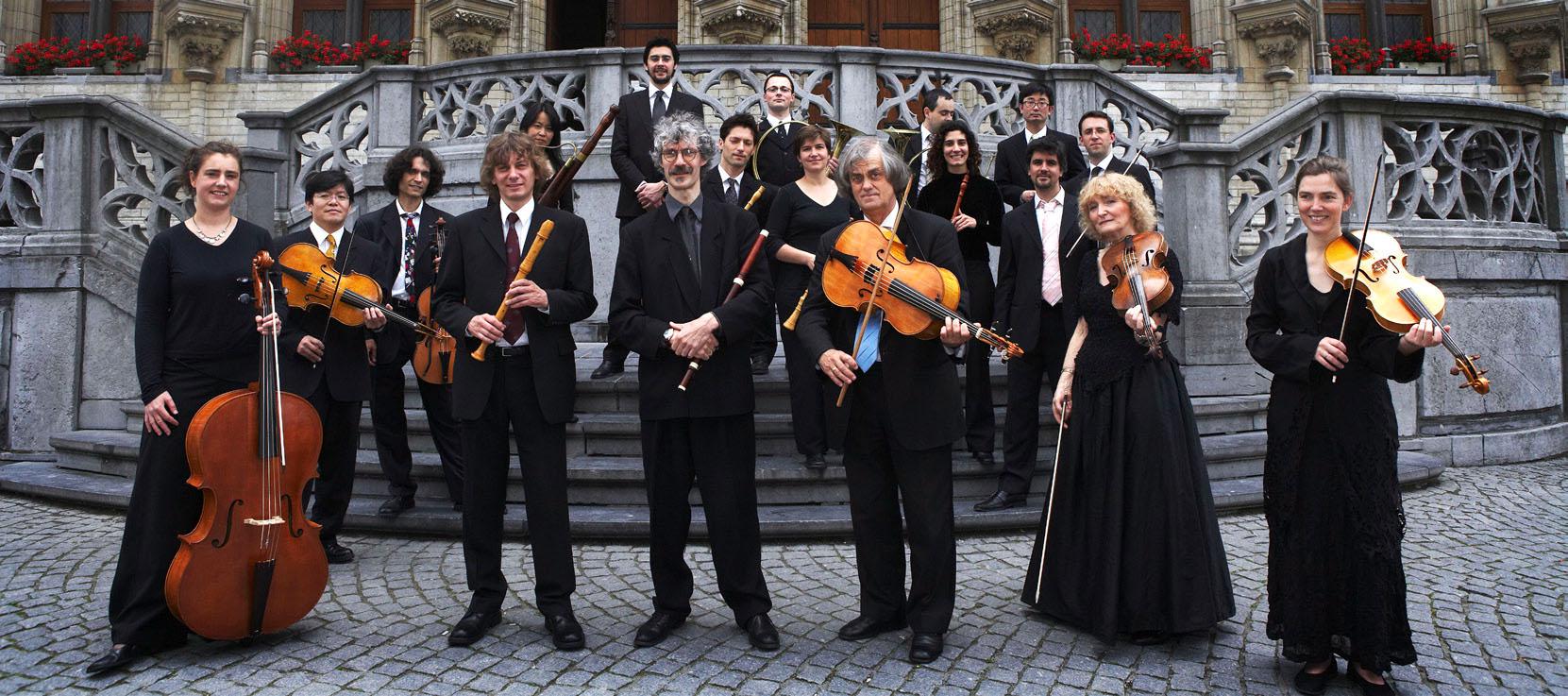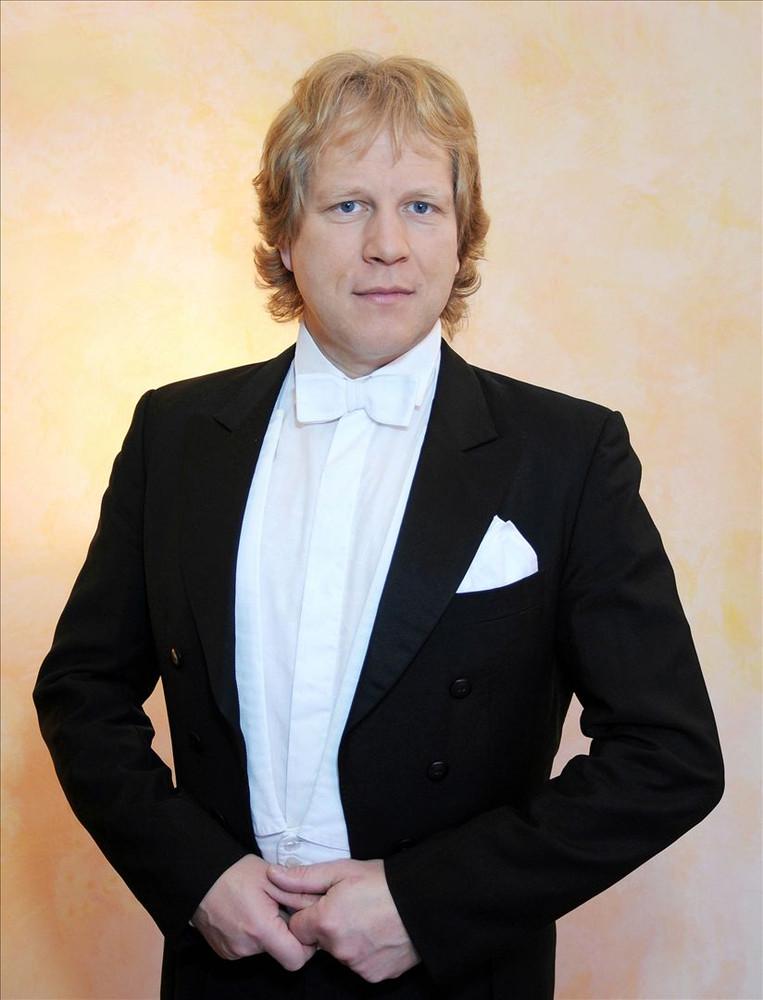
Markus Schäfer

Classical
Opera
Choral
 Viberate Rank: 375056
 Viberate Rank: 375056
 Monthly ListenersFollowers
 Subscribers
 Followers
 Followers
 FansTop Spotify Songs
| Track | 7-Day Streams | |
|---|---|---|
1 | 937 | |
2 | 826 | |
3 | 593 | |
4 | 559 | |
5 | 557 |
Top YouTube VideosMonthly ListenersFeatured in Playlists| Playlist | Followers | |
|---|---|---|
1 |  Gregorian Chants & Hymns for Sleep, Study & Solitude Joseph Santiago | 82.71K |
2 |  Lo mejor de Bach Naxos En Español | 17.82K |
3 |  baroque bangers jackson ellis | 11.43K |
4 | Endeavour Morse Larry Doyle | 6.81K |
5 |  Mattheus Passion clausewitzsch | 5.74K |
Audience| City | Monthly Listeners | |
|---|---|---|
1 | | 249 |
2 | | 193 |
3 | | 143 |
4 | | 117 |
5 |  | 116 |
See full performance history, audience data, playlist activity, rankings, comparisons, and more in Viberate music analytics. Start with a free trial, then continue with a paid plan.
Markus Schäfer’s Spotify BioLyric tenor Markus Schäfer is especially identified with Baroque music but also sings lieder and 19th century vocal repertory as far forward in time as Mahler. He is also a noted educator.
Schäfer was born on June 13, 1961, in Andernach in western Germany, and grew up in nearby Bad Ems. His father was a church musician. Schäfer at first aimed toward a church career himself, studying that field in the cities of Karlsruhe and Düsseldorf, but voice lessons with Armand McLane steered him toward singing, as did a stint at the International Opera Studio in Zürich, Switzerland. Schäfer sang in opera productions there and then joined the cast of the Zürich Opera. He moved on to the Hamburg Staatsoper and then the Deutsche Oper am Rhein in Düsseldorf. He also built a career as a lieder singer, often appearing at summer festivals, but also as far afield as Lincoln Center in New York and Wigmore Hall in London. As Schäfer's career developed, he gravitated toward early music. He sang both concert… works and opera with the early music group La Petite Band under director Sigiswald Kuijken, and he appeared in 2014 in a 300th-anniversary performance of C.P.E. Bach's oratorio Die Auferstehung und Himmelfahrt Jesu with the orchestra Das kleine Konzert and the Rheinische Kantorei choir. He has often sung solos with the Windsbacher Knabenchor boychoir and is a member of the male vocal quartet Liedertafel.
Schäfer has been heard as a soloist on several acclaimed recordings, including conductor Nikolaus Harnoncourt's Grammy Award-winning 1994 reading of Bach's St. Matthew Passion, BWV 244. As a solo artist, he has a varied catalog of recordings on such labels as Naxos, Wergo, and Avi-Music, where he recorded an album of Schubert songs called Schwanengesänge in 2019. In 2020, he appeared on a Naxos recording of Johann Simon Mayr's rare opera Le due duchesse. Schäfer is a professor of voice at the Musikhochschule Hannover.
Viberate is a music analytics platform built for A&Rs, artist managers, labels, booking agents, marketers, and artists.
It helps music professionals track artist growth, analyze audience data, monitor playlist activity, compare artists, follow song performance, and identify opportunities across the music market.
Public artist pages provide a free preview of selected artist data. Paid plans provide access to deeper analytics, historical data, charts, comparisons, playlist tools, exports, alerts, reports, and additional professional features.
Yes. Public Viberate artist pages provide selected artist analytics and music data for free.
Viberate also offers a 7-day free trial of the full platform. A credit card is required to start the trial. The trial includes access to the complete product so users can test deeper artist analytics, historical views, playlist insights, comparisons, charts, exports, alerts, and reporting features before choosing a paid plan.
Viberate provides artist analytics across streaming, playlists, social media, video, radio airplay, songs, and audience markets.
Users can analyze Spotify performance, Spotify and Apple Music playlists, YouTube activity, TikTok and Instagram growth, radio spins, song performance, audience locations, demographics, rankings, and overall artist momentum.
Artist profiles also connect to music charts, similar artists, and comparison tools, helping users benchmark performance and evaluate artists in context.
Viberate updates key artist and track data daily.
For followed artists and tracks, selected data is refreshed multiple times per day. This helps teams monitor playlist changes, streaming movement, audience growth, releases, and campaign performance with more current data.
Update frequency can vary depending on the metric and data source.
Yes. Viberate lets users compare up to five artists side by side across streaming, social media, audience, and engagement metrics.
Users can compare fanbase growth, audience demographics, locations, Spotify performance, social metrics, and other artist data over selected time periods.
Artist comparison can be used for A&R scouting, benchmarking, booking decisions, campaign planning, and evaluating artists with similar audiences or market positions.