Markus Homm

Electronic
Tech House
Dub Techno
 Viberate Rank: 119918
 Viberate Rank: 119918
 Monthly ListenersFollowers
 Subscribers
 Followers
 Followers
 FansTop Spotify Songs
| Track | 7-Day Streams | |
|---|---|---|
1 | 4.46K | |
2 | 1.30K | |
3 | 1.24K | |
4 | 1.01K | |
5 | 996 |
Top YouTube VideosMonthly ListenersFeatured in Playlists| Playlist | Followers | |
|---|---|---|
1 |  Around Midnight Glasgow Underground | 62.69K |
2 | Clau Do Vale | 45.63K |
3 |  Dub Techno Jimmy Ghaderi | 22.36K |
4 |  DUB TECHNO 2026 ⟴ PXH | 21.59K |
5 |  Minimal Deep Tech 2026 Glasgow Underground | 19.76K |
Audience| City | Monthly Listeners | |
|---|---|---|
1 |  | 1.21K |
2 |  | 1.20K |
3 | | 754 |
4 |  | 667 |
5 |  | 630 |
See full performance history, audience data, playlist activity, rankings, comparisons, and more in Viberate music analytics. Start with a free trial, then continue with a paid plan.
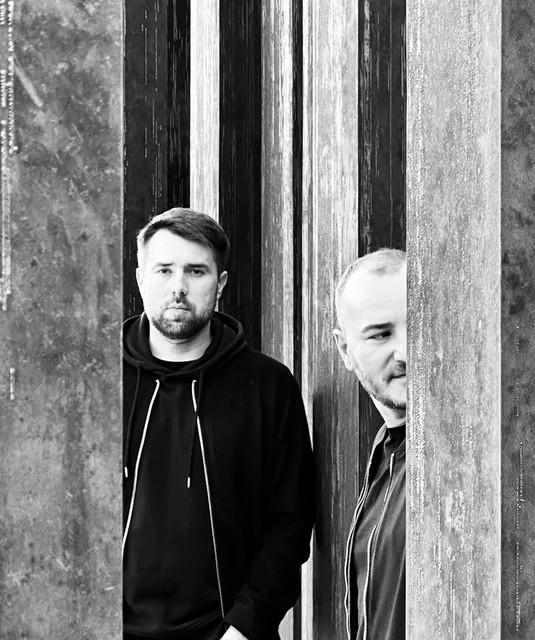
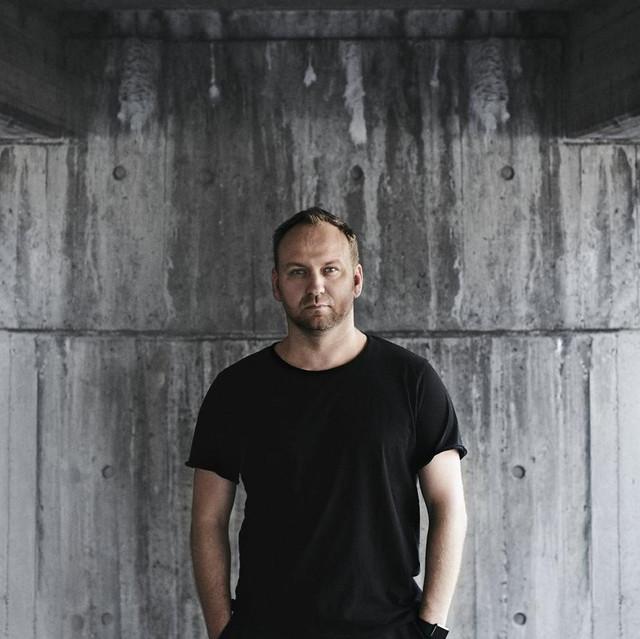
Markus Homm’s Spotify BioWhen DJ and producer Markus Homm steps behind the decks he has the unmistakable confidence of someone who knows exactly how to galvanise the dancefloor. His crisp, propulsive grooves have one clear mission: to get people to move their bodies.
Markus makes this look easy, in part, because he has probably spent more waking hours on the dancefloor than anywhere else. Born in Romania and raised in Germany, Markus began ballroom dancing at age 12 and went on to become a world-class professional dancer.
His passion for electronic music blossomed as a teenager in the mid-90s. "House music was in the charts, on the radio and TV," he recalls. "One of my first nights out to my local club I saw Ultra Naté perform 'Free'. I got into that sound, lots of vocals, grooves, very happy positive music."
As a teenager in the analogue age, Markus would go to the club on Thursday night then to the record shop on Friday to find out what the DJ played. "I would spend an hour choosing one record," he recalls. "It… was always about the music." He bought one turntable, to listen to vinyl; then another, so he could DJ. Now, he plays all over the world, from Berlin, to Tokyo, to Thailand.
Viberate is a music analytics platform built for A&Rs, artist managers, labels, booking agents, marketers, and artists.
It helps music professionals track artist growth, analyze audience data, monitor playlist activity, compare artists, follow song performance, and identify opportunities across the music market.
Public artist pages provide a free preview of selected artist data. Paid plans provide access to deeper analytics, historical data, charts, comparisons, playlist tools, exports, alerts, reports, and additional professional features.
Yes. Public Viberate artist pages provide selected artist analytics and music data for free.
Viberate also offers a 7-day free trial of the full platform. A credit card is required to start the trial. The trial includes access to the complete product so users can test deeper artist analytics, historical views, playlist insights, comparisons, charts, exports, alerts, and reporting features before choosing a paid plan.
Viberate provides artist analytics across streaming, playlists, social media, video, radio airplay, songs, and audience markets.
Users can analyze Spotify performance, Spotify and Apple Music playlists, YouTube activity, TikTok and Instagram growth, radio spins, song performance, audience locations, demographics, rankings, and overall artist momentum.
Artist profiles also connect to music charts, similar artists, and comparison tools, helping users benchmark performance and evaluate artists in context.
Viberate updates key artist and track data daily.
For followed artists and tracks, selected data is refreshed multiple times per day. This helps teams monitor playlist changes, streaming movement, audience growth, releases, and campaign performance with more current data.
Update frequency can vary depending on the metric and data source.
Yes. Viberate lets users compare up to five artists side by side across streaming, social media, audience, and engagement metrics.
Users can compare fanbase growth, audience demographics, locations, Spotify performance, social metrics, and other artist data over selected time periods.
Artist comparison can be used for A&R scouting, benchmarking, booking decisions, campaign planning, and evaluating artists with similar audiences or market positions.