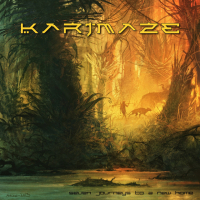
Mark 'TDK' Knight

Electronic
Dance
Other Electronic Music
 Viberate Rank: 295311
 Viberate Rank: 295311
 Monthly ListenersFollowers
 Subscribers
 Followers
 Followers
 FansTop Spotify Songs
| Track | 7-Day Streams | |
|---|---|---|
1 | 57 | |
2 | 55 | |
3 | 31 | |
4 | 30 | |
5 | 30 |
Top YouTube VideosMonthly ListenersFeatured in Playlists| Playlist | Followers | |
|---|---|---|
1 |  ChipTune (+[]::) Antonio Gonzálvez | 12.86K |
2 | 8bit, Retro, Chiptunes, Chipstyle, NES, Gameboy, C64 akome | 6.83K |
3 |  Keygen, tracker, and Demoscene music Baba O'Riley | 3.36K |
4 | Chiptunes Jakob Marchal | 2.94K |
5 |  Commodore Amiga Music Kjelle | 2.48K |
Audience| City | Monthly Listeners | |
|---|---|---|
1 |  | 7 |
2 |  | 7 |
3 |  | 6 |
4 | | 5 |
5 |  | 5 |
See full performance history, audience data, playlist activity, rankings, comparisons, and more in Viberate music analytics. Start with a free trial, then continue with a paid plan.
Mark 'TDK' Knight’s Spotify BioAn original Amiga demoscene oldskooler and current video games composer, the name TDK was originally active in the early 90’s writing catchy and melodic chiptunes for the likes of Anthrox, Crystal and Melon Dezign. Having 'retired' from the scene in 1993 I went on to write the music for such games as Wing Commander (Amiga), Duke Nukem Total Meltdown, Populous: The Beginning and Dungeon Keeper 2.
The advent of the CD-Rom format, and therefore music licensing, threatened my role as a composer so I moved into sound design within my favourite video game genre, driving games.
As a self confessed petrol head, working for Codemasters from 2008, I headed up the audio team on the DiRT, F1 and GRID franchises until 2015 I went 'full circle' back to composition and wrote the OST for F1 2015. Since then, I've penned the soundtracks for Overlord: Fellowship of Evil, the Indie game D/Generation HD - which I originally worked on in 1993, and F1 2016. After finishing F1 2017, I started my own audio… production company, SONiC FUEL.
Never leaving the chip sound behind, 'TDK' was brought out of retirement at the end of 2012 with the release of my first album, Reawakening, and I've since fused my love of chip with my passion for the electric violin to perform a unique chiptune-violin set at SuperByte 2013, Chipfest, and Nintendoom 3.0.
I'm now back writing in a number of different styles, but perhaps my main love of 70's analog synths may take charge of what I write.
Viberate is a music analytics platform built for A&Rs, artist managers, labels, booking agents, marketers, and artists.
It helps music professionals track artist growth, analyze audience data, monitor playlist activity, compare artists, follow song performance, and identify opportunities across the music market.
Public artist pages provide a free preview of selected artist data. Paid plans provide access to deeper analytics, historical data, charts, comparisons, playlist tools, exports, alerts, reports, and additional professional features.
Yes. Public Viberate artist pages provide selected artist analytics and music data for free.
Viberate also offers a 7-day free trial of the full platform. A credit card is required to start the trial. The trial includes access to the complete product so users can test deeper artist analytics, historical views, playlist insights, comparisons, charts, exports, alerts, and reporting features before choosing a paid plan.
Viberate provides artist analytics across streaming, playlists, social media, video, radio airplay, songs, and audience markets.
Users can analyze Spotify performance, Spotify and Apple Music playlists, YouTube activity, TikTok and Instagram growth, radio spins, song performance, audience locations, demographics, rankings, and overall artist momentum.
Artist profiles also connect to music charts, similar artists, and comparison tools, helping users benchmark performance and evaluate artists in context.
Viberate updates key artist and track data daily.
For followed artists and tracks, selected data is refreshed multiple times per day. This helps teams monitor playlist changes, streaming movement, audience growth, releases, and campaign performance with more current data.
Update frequency can vary depending on the metric and data source.
Yes. Viberate lets users compare up to five artists side by side across streaming, social media, audience, and engagement metrics.
Users can compare fanbase growth, audience demographics, locations, Spotify performance, social metrics, and other artist data over selected time periods.
Artist comparison can be used for A&R scouting, benchmarking, booking decisions, campaign planning, and evaluating artists with similar audiences or market positions.