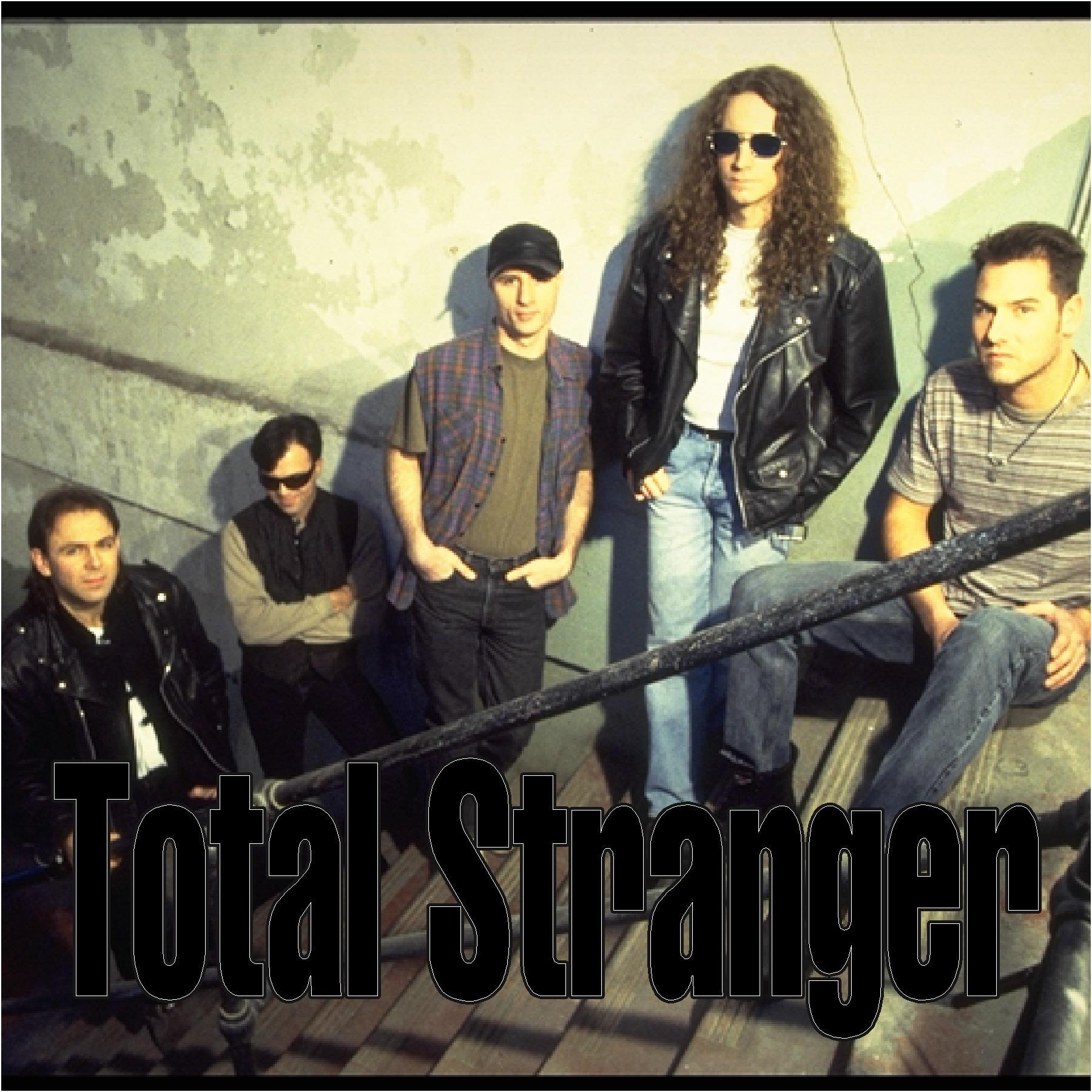
Mark Pogue

Pop
Indie Pop
Pop Rock
 Viberate Rank: 556938
 Viberate Rank: 556938
 Monthly ListenersFollowers
 Subscribers
 Followers
 Followers
 FansTop Spotify Songs
| Track | 7-Day Streams | |
|---|---|---|
1 | 28 | |
2 | 15 | |
3 | 14 | |
4 | 7 | |
5 | 5 |
Top YouTube VideosMonthly ListenersFeatured in Playlists| Playlist | Followers | |
|---|---|---|
1 | DCM 80's Christian Rock Lonnie Crampsey | 2.79K |
2 |  AOR / Melodic Rock / Westcoast - The Ultimate Collection Rocknytt | 1.61K |
3 |  Christian Classics 80s Allen Melton | 1.56K |
4 | Classic AOR Benjamin Weaver | 1.06K |
Audience| City | Monthly Listeners | |
|---|---|---|
1 | | 6 |
2 |  | 4 |
3 | | 3 |
See full performance history, audience data, playlist activity, rankings, comparisons, and more in Viberate music analytics. Start with a free trial, then continue with a paid plan.
Mark Pogue’s Spotify BioMark Pogue was born and raised in Texas, where he picked up his first guitar at the age of 11. As a young adult, he played locally around the state, writing and performing original music as well as many popular rock cover songs.
After moving to Tennessee in 1987, Mark toured with many recording artists such as Degarmo & Key (CCM artist), Morgan Cryar, Rick Cua, and Neal Morse (Transatlantic, Spock's Beard), just to name a few. Mark also had an album produced by former Kansas singer John Elefante on Word/Pakaderm Records, Mark Pogue & Fortress - Restoration, with several of it's tracks hitting in the top ten spots on the CCM Music Charts. In July of 2016, Mark re released his seminal release as an anniversary album on his own record label, Audio Deo - 25th Anniversary Remastered Mark Pogue & Fortress Restoration. Other Album releases include: Through The Fire, Kingdom Come and single releases such as The Answer and a Christmas song; “Glory Came To Stay” which coincided with Mark's… nomination of Songwriter of the month by Nashville Christian Songwriters. Currently with Rick Pino's songwriting inner circle and Watershed publishing, he continues to write, record, & play original songs that are both hard hitting and thought provoking.
Viberate is a music analytics platform built for A&Rs, artist managers, labels, booking agents, marketers, and artists.
It helps music professionals track artist growth, analyze audience data, monitor playlist activity, compare artists, follow song performance, and identify opportunities across the music market.
Public artist pages provide a free preview of selected artist data. Paid plans provide access to deeper analytics, historical data, charts, comparisons, playlist tools, exports, alerts, reports, and additional professional features.
Yes. Public Viberate artist pages provide selected artist analytics and music data for free.
Viberate also offers a 7-day free trial of the full platform. A credit card is required to start the trial. The trial includes access to the complete product so users can test deeper artist analytics, historical views, playlist insights, comparisons, charts, exports, alerts, and reporting features before choosing a paid plan.
Viberate provides artist analytics across streaming, playlists, social media, video, radio airplay, songs, and audience markets.
Users can analyze Spotify performance, Spotify and Apple Music playlists, YouTube activity, TikTok and Instagram growth, radio spins, song performance, audience locations, demographics, rankings, and overall artist momentum.
Artist profiles also connect to music charts, similar artists, and comparison tools, helping users benchmark performance and evaluate artists in context.
Viberate updates key artist and track data daily.
For followed artists and tracks, selected data is refreshed multiple times per day. This helps teams monitor playlist changes, streaming movement, audience growth, releases, and campaign performance with more current data.
Update frequency can vary depending on the metric and data source.
Yes. Viberate lets users compare up to five artists side by side across streaming, social media, audience, and engagement metrics.
Users can compare fanbase growth, audience demographics, locations, Spotify performance, social metrics, and other artist data over selected time periods.
Artist comparison can be used for A&R scouting, benchmarking, booking decisions, campaign planning, and evaluating artists with similar audiences or market positions.