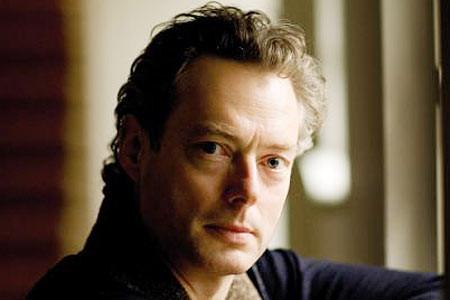
Mark Padmore

Classical
Opera
Choral
 Viberate Rank: 212431
 Viberate Rank: 212431
 Monthly ListenersFollowers
 Subscribers
 Followers
 Followers
 FansTop Spotify Songs
| Track | 7-Day Streams | |
|---|---|---|
1 | 5.31K | |
2 | 4.07K | |
3 | 2.43K | |
4 | 1.51K | |
5 | 1.32K |
Top YouTube VideosMonthly ListenersFeatured in Playlists| Playlist | Followers | |
|---|---|---|
1 |  This Is Schubert Spotify | 155.92K |
2 | amandaemcee | 69.74K |
3 |  reading in a castle Spotify | 59.18K |
4 |  This Is Purcell Spotify | 35.81K |
5 |  Dark Opera kaiagerlovin | 28.90K |
Audience| City | Monthly Listeners | |
|---|---|---|
1 | | 1.15K |
2 |  | 1.11K |
3 |  | 862 |
4 |  | 843 |
5 |  | 757 |
See full performance history, audience data, playlist activity, rankings, comparisons, and more in Viberate music analytics. Start with a free trial, then continue with a paid plan.
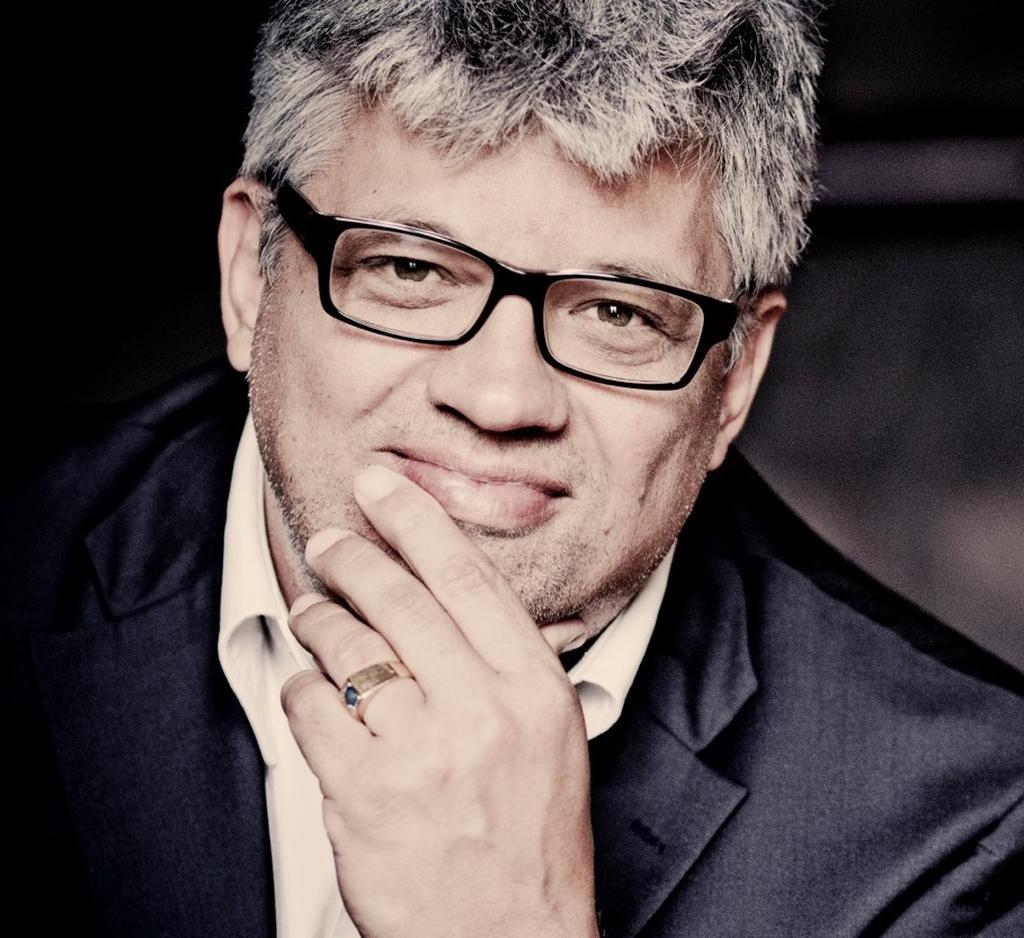
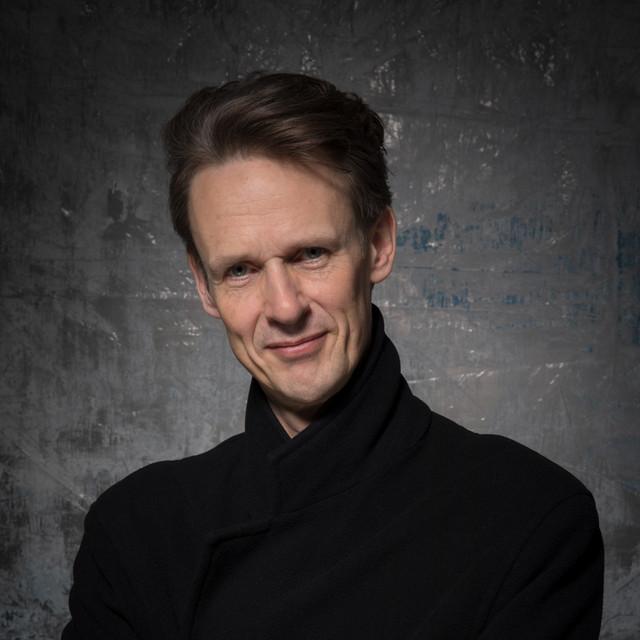
Mark Padmore’s Spotify BioTenor Mark Padmore came of age singing in choirs oriented toward Renaissance and Baroque music, and as a soloist, he has specialized in Baroque opera and choral music. His repertory, however, extends forward to Britten, Vaughan Williams, and contemporary choral music, and he has become one of Britain's most consistently popular singers.
Padmore was born in London on March 8, 1961, but grew up in Canterbury. He studied clarinet and piano as a child but jumped at the chance to enter King's College, Cambridge, as a Choral Scholar and to join the Choir of King's College, Cambridge. That led, in turn, to admission to Cambridge as a student. He graduated in 1982 and immediately set about establishing himself as a singer. He sang at one time or another with the top Renaissance vocal groups of the 1980s: The Tallis Scholars, The Sixteen, and The Hilliard Ensemble. After numerous recordings with these groups, Padmore made his debut as a soloist in 1999 on the album J.S. Bach: Lutheran Masses,… Vol. 1.
He has also performed with the Orchestra of the Age of Enlightenment, the Monteverdi Choir, and the instrumental ensemble Fretwork, among others. In the field of choral music, he is noted for his performances of Bach's major choral works, including those under Sir Simon Rattle with the Berlin Philharmonic. He has sung on top British operatic stages, performing music from Handel's Jephtha at the English National Opera, to Mozart's La clemenza di Tito under conductor René Jacobs in a Harmonia Mundi recording, to Harrison Birtwistle's The Corridor at the Aldeburgh Festival. He appeared as Peter Quint on BBC television in a production of Britten's The Turn of the Screw (a DVD of which won a Gramophone Award for best operatic recording), and as a recitalist, he has often performed the music of Britten, covering music written for the vocally similar Peter Pears.
Padmore is a frequent guest at London's Wigmore Hall, often performing challenging contemporary music by the likes of Birtwistle, Mark-Anthony Turnage, Sally Beamish, and Huw Watkins. Padmore's recording catalog is extensive and deep. In 2000, he was heard on a second volume of Bach's Lutheran masses for Chandos, and he has continued to record for that label. In 2007, he made his debut on Harmonia Mundi with the Handel album As Steals the Morn, and he has recorded extensively for that label. In 2018, he recorded the Winterreise song cycle of Schubert, another composer he has favored, for Harmonia Mundi, accompanied by fortepianist Kristian Bezuidenhout. Padmore's solo recordings of the 2020s include a 2023 release featuring Schubert's Schwanengesang, D. 957, and Beethoven's An die ferne Geliebte, Op. 98. He continued to be in demand for performances on operatic and choral recordings, and by the mid-2020s, his recording catalog comprised more than 200 items. ~ James Manheim, Rovi
Viberate is a music analytics platform built for A&Rs, artist managers, labels, booking agents, marketers, and artists.
It helps music professionals track artist growth, analyze audience data, monitor playlist activity, compare artists, follow song performance, and identify opportunities across the music market.
Public artist pages provide a free preview of selected artist data. Paid plans provide access to deeper analytics, historical data, charts, comparisons, playlist tools, exports, alerts, reports, and additional professional features.
Yes. Public Viberate artist pages provide selected artist analytics and music data for free.
Viberate also offers a 7-day free trial of the full platform. A credit card is required to start the trial. The trial includes access to the complete product so users can test deeper artist analytics, historical views, playlist insights, comparisons, charts, exports, alerts, and reporting features before choosing a paid plan.
Viberate provides artist analytics across streaming, playlists, social media, video, radio airplay, songs, and audience markets.
Users can analyze Spotify performance, Spotify and Apple Music playlists, YouTube activity, TikTok and Instagram growth, radio spins, song performance, audience locations, demographics, rankings, and overall artist momentum.
Artist profiles also connect to music charts, similar artists, and comparison tools, helping users benchmark performance and evaluate artists in context.
Viberate updates key artist and track data daily.
For followed artists and tracks, selected data is refreshed multiple times per day. This helps teams monitor playlist changes, streaming movement, audience growth, releases, and campaign performance with more current data.
Update frequency can vary depending on the metric and data source.
Yes. Viberate lets users compare up to five artists side by side across streaming, social media, audience, and engagement metrics.
Users can compare fanbase growth, audience demographics, locations, Spotify performance, social metrics, and other artist data over selected time periods.
Artist comparison can be used for A&R scouting, benchmarking, booking decisions, campaign planning, and evaluating artists with similar audiences or market positions.