Mark Nauseef

Jazz
Smooth Jazz
Free Jazz
 Viberate Rank: 716170
 Viberate Rank: 716170
 Monthly ListenersFollowers
 Subscribers
 Followers
 Followers
 FansTop Spotify Songs
| Track | 7-Day Streams | |
|---|---|---|
1 | 49 | |
2 | 14 | |
3 | 11 | |
4 | 4 | |
5 | 4 |
Top YouTube VideosMonthly ListenersFeatured in Playlists| Playlist | Followers | |
|---|---|---|
1 |  High fidelity, audiophile, testing etc Eiler Wessel | 7.52K |
2 |  Noise jazz experimental drone ambient avant-garde assault Yagga | 1.05K |
3 | Tzadik Digital Catalog André | 1.00K |
Audience| City | Monthly Listeners | |
|---|---|---|
1 |  | 6 |
2 |  | 5 |
3 |  | 5 |
4 |  | 4 |
5 |  | 3 |
See full performance history, audience data, playlist activity, rankings, comparisons, and more in Viberate music analytics. Start with a free trial, then continue with a paid plan.
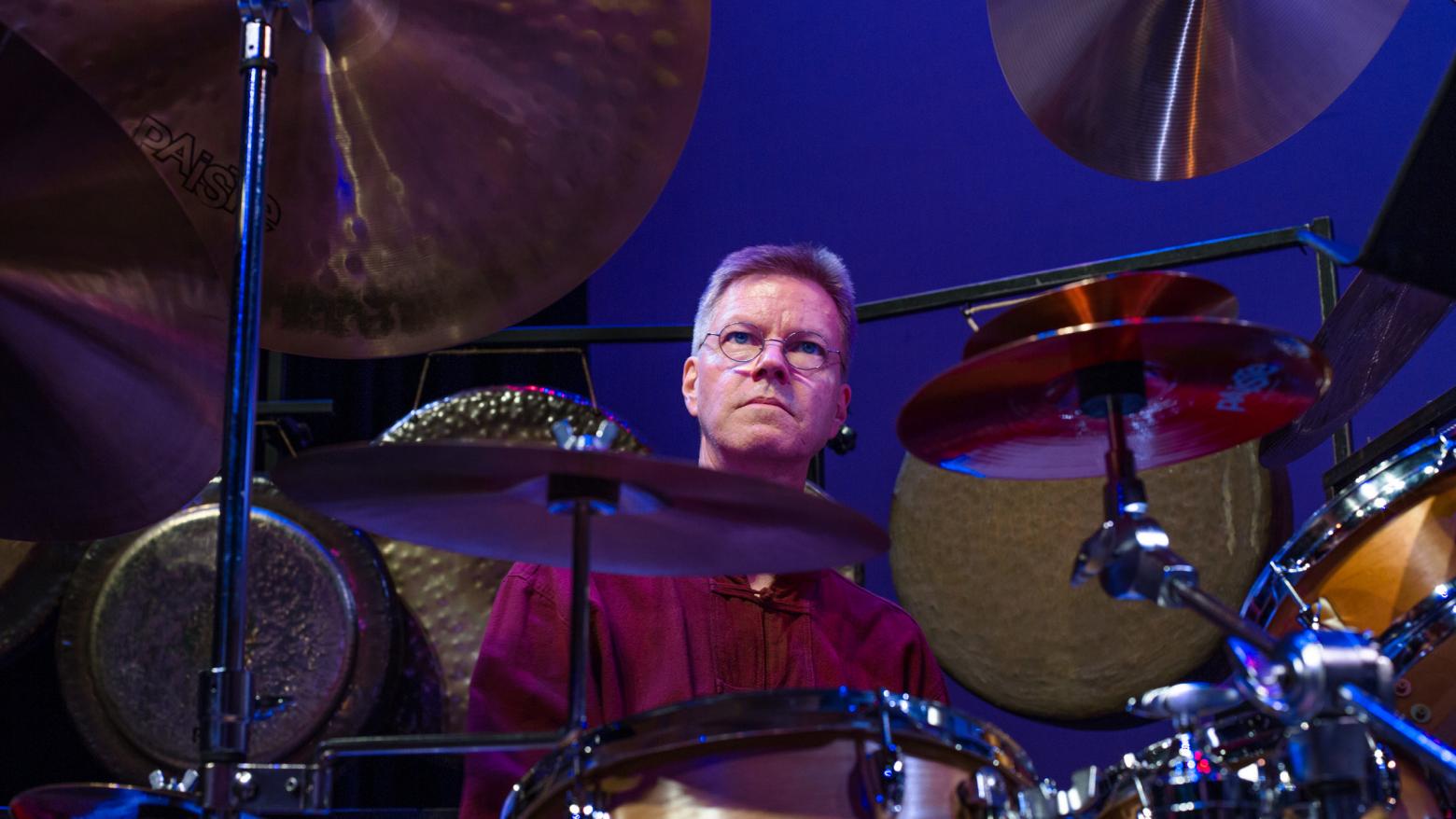
Mark Nauseef’s Spotify BioAlthough there are many more widely known session drummers than Mark Nauseef, few have lent their talents to as wide a variety of musical styles as Nauseef has over the years. Nauseef has studied numerous percussive styles during his long and winding career, including Javanese gamelan with K.R.T. Wasitodiningrat; Balinese gamelan with I. Nyoman Wenten; North Indian pakhawaj drumming with Pandit Taranath Rao and Pandit Amiya Dasgupta; Ghanaian drumming and dance with Kobla, Alfred Ladzekpo, Dzidzogbe Lawulvi, and C.K. Ganyo; and 20th Century western percussion techniques and hand drumming with John Bergamo and Glen Velez.
Nauseef got his start in the 1970s, as he drummed on recordings by such rock outfits as Elf (a band that featured a pre-Rainbow/Black Sabbath Ronnie James Dio on vocals), a post-Lou Reed version of the Velvet Underground, the Ian Gillan Band, as a fill-in for Thin Lizzy during an Australian tour (which is documented on the Lizzy home video The Boys Are Back in Town),… Jack Bruce, Andy Summers, and Gary Moore, among others. But it wasn't long before Nauseef broadened his horizons and began drumming with non-rock artists: Joachim Kühn, Rabih Abou-Khalil, Trilok Gurtu, Kyai Kunbul (Javanese gamelan), the Ladzekpo Brothers (Ghanaian music and dance), and the Gamelan Orchestra of Saba (Balinese gamelan).
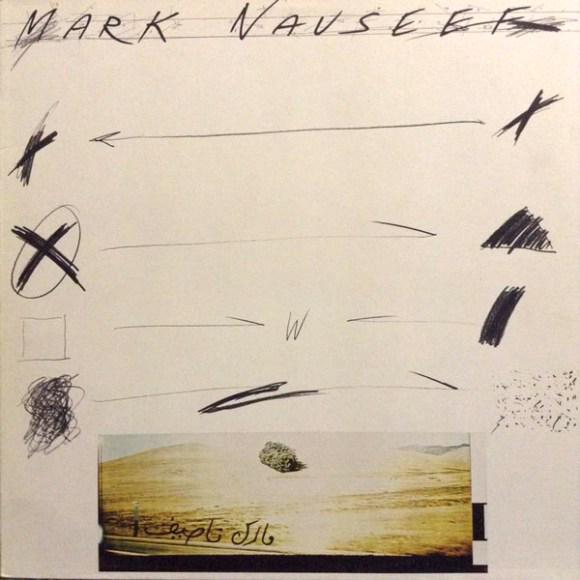
Since the early 80s, Nauseef has sporadically issued his own solo albums: 1983's Personal Notes and Sura, 1984's Wun-Wun, 1995's Snake Music, and 2000's With Space in Mind. In addition to his percussion talents, Nauseef has also produced other artists, including recordings of traditional Balinese and Javanese music, a few of which later appeared on the compilation CMPIer, Vol. 1: 3000 Series. ~ Greg Prato, Rovi
Viberate is a music analytics platform built for A&Rs, artist managers, labels, booking agents, marketers, and artists.
It helps music professionals track artist growth, analyze audience data, monitor playlist activity, compare artists, follow song performance, and identify opportunities across the music market.
Public artist pages provide a free preview of selected artist data. Paid plans provide access to deeper analytics, historical data, charts, comparisons, playlist tools, exports, alerts, reports, and additional professional features.
Yes. Public Viberate artist pages provide selected artist analytics and music data for free.
Viberate also offers a 7-day free trial of the full platform. A credit card is required to start the trial. The trial includes access to the complete product so users can test deeper artist analytics, historical views, playlist insights, comparisons, charts, exports, alerts, and reporting features before choosing a paid plan.
Viberate provides artist analytics across streaming, playlists, social media, video, radio airplay, songs, and audience markets.
Users can analyze Spotify performance, Spotify and Apple Music playlists, YouTube activity, TikTok and Instagram growth, radio spins, song performance, audience locations, demographics, rankings, and overall artist momentum.
Artist profiles also connect to music charts, similar artists, and comparison tools, helping users benchmark performance and evaluate artists in context.
Viberate updates key artist and track data daily.
For followed artists and tracks, selected data is refreshed multiple times per day. This helps teams monitor playlist changes, streaming movement, audience growth, releases, and campaign performance with more current data.
Update frequency can vary depending on the metric and data source.
Yes. Viberate lets users compare up to five artists side by side across streaming, social media, audience, and engagement metrics.
Users can compare fanbase growth, audience demographics, locations, Spotify performance, social metrics, and other artist data over selected time periods.
Artist comparison can be used for A&R scouting, benchmarking, booking decisions, campaign planning, and evaluating artists with similar audiences or market positions.