Mark Hartsuch

Jazz
Jazz Fusion
 Viberate Rank: 824270
 Viberate Rank: 824270
 Monthly ListenersFollowers
 Subscribers
 Followers
 Followers
 FansTop Spotify Songs
| Track | 7-Day Streams | |
|---|---|---|
1 | 108 | |
2 | 55 | |
3 | 46 | |
4 | 29 | |
5 | 19 |
Top YouTube VideosMonthly ListenersFeatured in Playlists| Playlist | Followers | |
|---|---|---|
1 |  Indie Instrumental Spotify | 58.31K |
2 |  Best of Indian Indie first.wav | 38.56K |
3 |  Underrated Indie songs first.wav | 34.18K |
4 |  Homegrown Indie first.wav | 19.32K |
5 |  first.wav first.wav | 16.98K |
Audience| City | Monthly Listeners | |
|---|---|---|
1 |  | 38 |
2 | | 28 |
3 | | 21 |
4 | | 16 |
5 | | 13 |
See full performance history, audience data, playlist activity, rankings, comparisons, and more in Viberate music analytics. Start with a free trial, then continue with a paid plan.
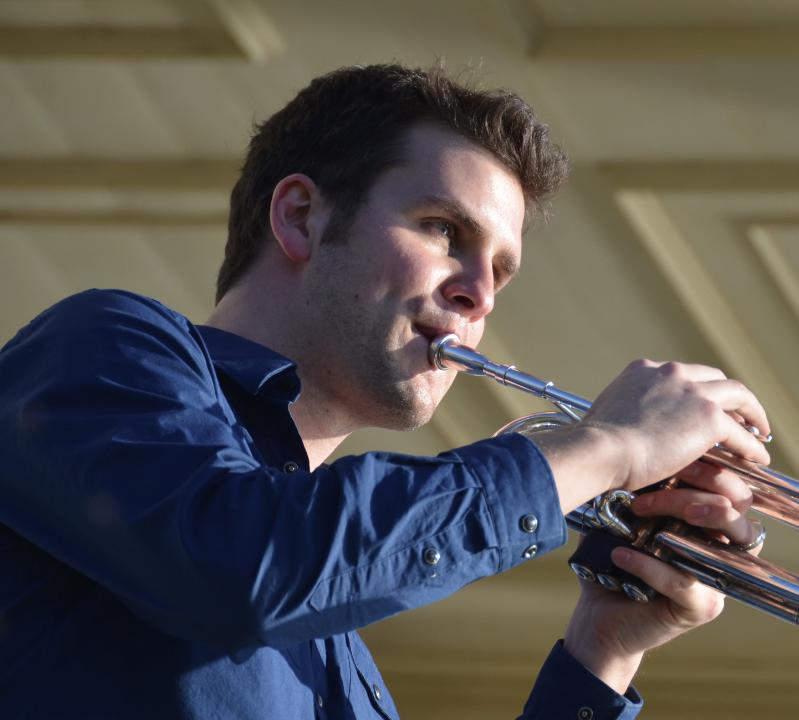
Mark Hartsuch’s Spotify BioMark Hartsuch, USA saxophonist and producer, has made a significant impact on the music scenes in both the United States and India. Beginning in 2018, Mark Hartsuch created horn arrangements and played saxophone for Grammy and Oscar award-winning artist, AR Rahman.
AR Rahman led Mark to move to India, where he founded “MaMoGi” with internationally acclaimed bassist Mohini Dey and drummer Gino Banks. He composed and produced their records “MaMoGi” and “MaMoGi II”The band has performed at international jazz festivals such as Enter Enea in Poznan, Poland and Timișoara Jazz Festival in Timișoara, Romania as well as local festivals like Oddball Festival in Mumbai, India. Mark also founded a duo project with drummer Darshan Doshi and has released two acclaimed records“Better than Sax” and “Better than Sax 2.” Mark has also released several albums and singles under his own name in the past year.
Mark endorses JodyJazz mouthpieces, GardBags cases and Roland Synthesizers.
Mark now splits his time… between his homes in Chicago, IL and Mumbai India.
Viberate is a music analytics platform built for A&Rs, artist managers, labels, booking agents, marketers, and artists.
It helps music professionals track artist growth, analyze audience data, monitor playlist activity, compare artists, follow song performance, and identify opportunities across the music market.
Public artist pages provide a free preview of selected artist data. Paid plans provide access to deeper analytics, historical data, charts, comparisons, playlist tools, exports, alerts, reports, and additional professional features.
Yes. Public Viberate artist pages provide selected artist analytics and music data for free.
Viberate also offers a 7-day free trial of the full platform. A credit card is required to start the trial. The trial includes access to the complete product so users can test deeper artist analytics, historical views, playlist insights, comparisons, charts, exports, alerts, and reporting features before choosing a paid plan.
Viberate provides artist analytics across streaming, playlists, social media, video, radio airplay, songs, and audience markets.
Users can analyze Spotify performance, Spotify and Apple Music playlists, YouTube activity, TikTok and Instagram growth, radio spins, song performance, audience locations, demographics, rankings, and overall artist momentum.
Artist profiles also connect to music charts, similar artists, and comparison tools, helping users benchmark performance and evaluate artists in context.
Viberate updates key artist and track data daily.
For followed artists and tracks, selected data is refreshed multiple times per day. This helps teams monitor playlist changes, streaming movement, audience growth, releases, and campaign performance with more current data.
Update frequency can vary depending on the metric and data source.
Yes. Viberate lets users compare up to five artists side by side across streaming, social media, audience, and engagement metrics.
Users can compare fanbase growth, audience demographics, locations, Spotify performance, social metrics, and other artist data over selected time periods.
Artist comparison can be used for A&R scouting, benchmarking, booking decisions, campaign planning, and evaluating artists with similar audiences or market positions.