Mark Flash

Electronic
Techno
House
 Viberate Rank: 243680
 Viberate Rank: 243680
 Monthly ListenersFollowers
 Subscribers
 Followers
 Followers
 FansTop Spotify Songs
| Track | 7-Day Streams | |
|---|---|---|
1 | 50 | |
2 | 48 | |
3 | 44 | |
4 | 17 | |
5 | 13 |
Top YouTube VideosMonthly ListenersFeatured in Playlists| Playlist | Followers | |
|---|---|---|
1 | Berghain Music Roman Wäger | 39.72K |
2 |  🐁 avalon emerson's 9000 dreams in the Perpetual Emotional Machine✨ avalon emerson | 12.79K |
3 |  Ben UFO: Classics Matt William | 5.92K |
4 | REMIX POP ELECTRO 2021 Dj bane | 5.51K |
5 |  Detroit Techno 1983-2026—hi-tech jazz, electro funk, electronic soul music, deep house 80s 90s sound Ennio Styles | 4.05K |
Audience| City | Monthly Listeners | |
|---|---|---|
1 |  | 31 |
2 |  | 27 |
3 | | 13 |
4 |  | 11 |
5 |  | 9 |
See full performance history, audience data, playlist activity, rankings, comparisons, and more in Viberate music analytics. Start with a free trial, then continue with a paid plan.
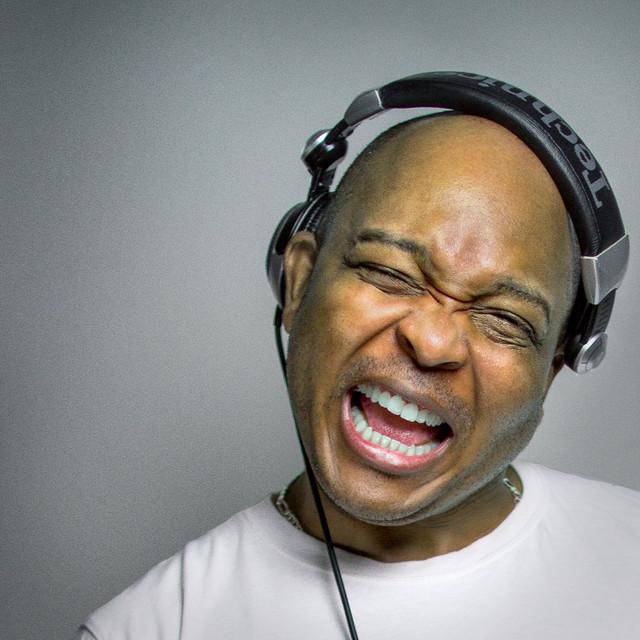
Mark Flash’s Spotify BioMark Flash started his journey by playing music with his father. Afterwards, he began including instruments in his DJ sets in the Southwest Detroit area. His first set of turntables helped him enter the club scene in 1979.
From spinning at small parties to becoming a renowned DJ and producer, he earned the name "Mark Flash" from fans and embraced a fusion of house, techno and funk. Collaborating with Underground Resistance and bands such as Los Hermanos and Timeline, he is known for his electrifying performances combining keyboards, percussion and DJ sets.
Flash's commitment extends beyond music to mentoring aspiring artists and advocating for Detroit's musical legacy.
His motto? "It's not about who's playing, but what's playing."
Viberate is a music analytics platform built for A&Rs, artist managers, labels, booking agents, marketers, and artists.
It helps music professionals track artist growth, analyze audience data, monitor playlist activity, compare artists, follow song performance, and identify opportunities across the music market.
Public artist pages provide a free preview of selected artist data. Paid plans provide access to deeper analytics, historical data, charts, comparisons, playlist tools, exports, alerts, reports, and additional professional features.
Yes. Public Viberate artist pages provide selected artist analytics and music data for free.
Viberate also offers a 7-day free trial of the full platform. A credit card is required to start the trial. The trial includes access to the complete product so users can test deeper artist analytics, historical views, playlist insights, comparisons, charts, exports, alerts, and reporting features before choosing a paid plan.
Viberate provides artist analytics across streaming, playlists, social media, video, radio airplay, songs, and audience markets.
Users can analyze Spotify performance, Spotify and Apple Music playlists, YouTube activity, TikTok and Instagram growth, radio spins, song performance, audience locations, demographics, rankings, and overall artist momentum.
Artist profiles also connect to music charts, similar artists, and comparison tools, helping users benchmark performance and evaluate artists in context.
Viberate updates key artist and track data daily.
For followed artists and tracks, selected data is refreshed multiple times per day. This helps teams monitor playlist changes, streaming movement, audience growth, releases, and campaign performance with more current data.
Update frequency can vary depending on the metric and data source.
Yes. Viberate lets users compare up to five artists side by side across streaming, social media, audience, and engagement metrics.
Users can compare fanbase growth, audience demographics, locations, Spotify performance, social metrics, and other artist data over selected time periods.
Artist comparison can be used for A&R scouting, benchmarking, booking decisions, campaign planning, and evaluating artists with similar audiences or market positions.