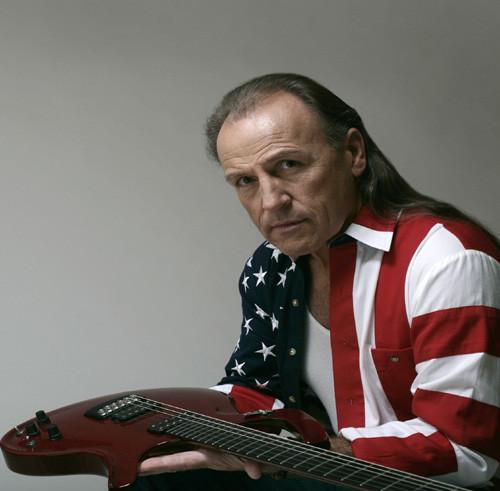
Mark Farner

Rock
Hard Rock
Pop Rock
 Viberate Rank: 187935
 Viberate Rank: 187935
 Monthly ListenersFollowers
 Subscribers
 Followers
 Followers
 FansTop Spotify Songs
| Track | 7-Day Streams | |
|---|---|---|
1 | 424 | |
2 | 325 | |
3 | 308 | |
4 | 204 | |
5 | 153 |
Top YouTube VideosMonthly ListenersFeatured in Playlists| Playlist | Followers | |
|---|---|---|
1 | Contemporary Christian Music Jim Finch | 30.09K |
2 |  80s Christian Metal/Hard Rock Isaiah Elmasri | 4.53K |
3 |  Song of History Max Millares | 2.57K |
4 |  Todo COVERTITLAN 2-2019-2026 Covertitlán | 2.30K |
5 |  Christian Classics 80s Allen Melton | 1.56K |
Audience| City | Monthly Listeners | |
|---|---|---|
1 | | 47 |
2 |  | 34 |
3 | | 34 |
4 | | 33 |
5 |  | 30 |
See full performance history, audience data, playlist activity, rankings, comparisons, and more in Viberate music analytics. Start with a free trial, then continue with a paid plan.
Mark Farner’s Spotify BioMark Farner is the heart and soul of Grand Funk Railroad, a Flint, Michigan-based power trio whose hook-laden take on blues-rock and working-class appeal made them darlings of '70s rock radio. Farner wrote and sung many of the band's most famous songs, from original hits like "I'm Your Captain (Closer to Home)," "Bad Time," "Footstompin' Music," and "Rock & Roll Soul," to the number one remake of the Little Eva classic "The Loco-Motion" and classic rock radio staple "Some Kind of Wonderful," originally performed by the R&B group Soul Brothers Six. After GFR's dissolution in 1976, Farner embarked on a solo career and later became a fixture in the Contemporary Christian music scene, earning a Dove Award nomination in 1988. He reunited with Grand Funk in the late '90s for a three-year stint before returning to his solo career, touring a set blend of GFR songs and solo offerings under the Mark Farner's American Band banner. ~ James Christopher Monger, Rovi
Viberate is a music analytics platform built for A&Rs, artist managers, labels, booking agents, marketers, and artists.
It helps music professionals track artist growth, analyze audience data, monitor playlist activity, compare artists, follow song performance, and identify opportunities across the music market.
Public artist pages provide a free preview of selected artist data. Paid plans provide access to deeper analytics, historical data, charts, comparisons, playlist tools, exports, alerts, reports, and additional professional features.
Yes. Public Viberate artist pages provide selected artist analytics and music data for free.
Viberate also offers a 7-day free trial of the full platform. A credit card is required to start the trial. The trial includes access to the complete product so users can test deeper artist analytics, historical views, playlist insights, comparisons, charts, exports, alerts, and reporting features before choosing a paid plan.
Viberate provides artist analytics across streaming, playlists, social media, video, radio airplay, songs, and audience markets.
Users can analyze Spotify performance, Spotify and Apple Music playlists, YouTube activity, TikTok and Instagram growth, radio spins, song performance, audience locations, demographics, rankings, and overall artist momentum.
Artist profiles also connect to music charts, similar artists, and comparison tools, helping users benchmark performance and evaluate artists in context.
Viberate updates key artist and track data daily.
For followed artists and tracks, selected data is refreshed multiple times per day. This helps teams monitor playlist changes, streaming movement, audience growth, releases, and campaign performance with more current data.
Update frequency can vary depending on the metric and data source.
Yes. Viberate lets users compare up to five artists side by side across streaming, social media, audience, and engagement metrics.
Users can compare fanbase growth, audience demographics, locations, Spotify performance, social metrics, and other artist data over selected time periods.
Artist comparison can be used for A&R scouting, benchmarking, booking decisions, campaign planning, and evaluating artists with similar audiences or market positions.