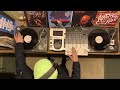
Mark Broom

Electronic
Techno
Tech House
House
 Viberate Rank: 63839
 Viberate Rank: 63839
 Monthly ListenersFollowers
 Subscribers
 Followers
 Followers
 FansTop Spotify Songs
| Track | 7-Day Streams | |
|---|---|---|
1 | 6.52K | |
2 | 4.50K | |
3 | 4.06K | |
4 | 2.43K | |
5 | 2.11K |
Top YouTube VideosMonthly ListenersFeatured in Playlists| Playlist | Followers | |
|---|---|---|
1 |  Techno State Spotify | 152.78K |
2 |  Calvin Harris Originals Calvin Harris | 141.62K |
3 |  Love Regenerator Playlist Calvin Harris | 130.34K |
4 |  MINIMAL TECHNO Vladas Maier | 116.58K |
5 |  Berghain Techno 2026 raphael | 93.65K |
Audience| City | Monthly Listeners | |
|---|---|---|
1 |  | 2.20K |
2 |  | 1.80K |
3 |  | 1.73K |
4 |  | 1.62K |
5 |  | 1.51K |
See full performance history, audience data, playlist activity, rankings, comparisons, and more in Viberate music analytics. Start with a free trial, then continue with a paid plan.
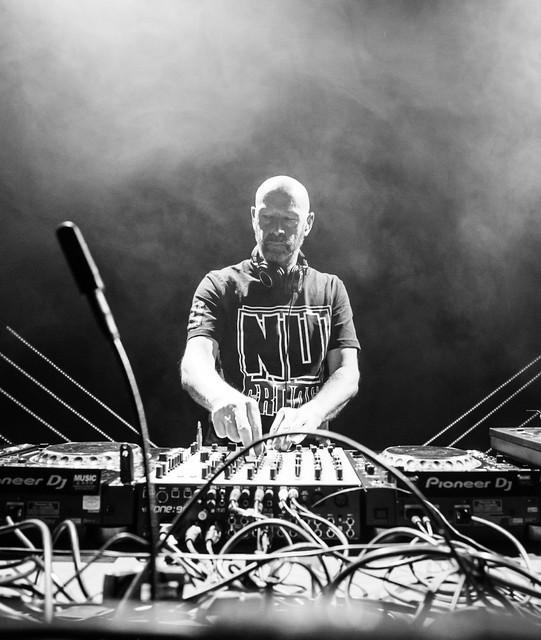
Mark Broom’s Spotify BioAfter a long stint as one of Britain's formost intelligent techno DJs, Mark Broom began working on production as well, recording an LP with The Black Dog's Ed Handley and Andy Turner as Repeat. He founded several crucial labels -- Pure Plastic, Rewired, Unexplored Beats and 3 Zone, plus Ifach with Baby Ford -- and began recording as a solo concern with a lock on streamlined ambient-techno as well as the more rhythmically dextrous sound of Handley/Turner's later offshoot, Plaid.
Broom had begun hanging out with the trio The Black Dog as early as 1990, DJing at their gigs and, by 1995, recording with Ed Handley and Andy Turner as Repeat. The first Repeat release, 1995's Repeats LP, made Broom's name as a producer as well as a DJ and he began recording on his own with singles for GPR, Ferox, New Electronica and Cosmic. His debut album Angie Is a Shoplifter appeared in 1996, alongside a wealth of material recorded under a dizzying variety of aliases -- Kape I'll Miester, Sympletic, Ted… Howler Rhythm Combo, Eco Tourist (again with Handley and Turner). Broom has also provided remixes for Psychick Warriors Ov Gaia, Ken Ishii and Nicolette.
Viberate is a music analytics platform built for A&Rs, artist managers, labels, booking agents, marketers, and artists.
It helps music professionals track artist growth, analyze audience data, monitor playlist activity, compare artists, follow song performance, and identify opportunities across the music market.
Public artist pages provide a free preview of selected artist data. Paid plans provide access to deeper analytics, historical data, charts, comparisons, playlist tools, exports, alerts, reports, and additional professional features.
Yes. Public Viberate artist pages provide selected artist analytics and music data for free.
Viberate also offers a 7-day free trial of the full platform. A credit card is required to start the trial. The trial includes access to the complete product so users can test deeper artist analytics, historical views, playlist insights, comparisons, charts, exports, alerts, and reporting features before choosing a paid plan.
Viberate provides artist analytics across streaming, playlists, social media, video, radio airplay, songs, and audience markets.
Users can analyze Spotify performance, Spotify and Apple Music playlists, YouTube activity, TikTok and Instagram growth, radio spins, song performance, audience locations, demographics, rankings, and overall artist momentum.
Artist profiles also connect to music charts, similar artists, and comparison tools, helping users benchmark performance and evaluate artists in context.
Viberate updates key artist and track data daily.
For followed artists and tracks, selected data is refreshed multiple times per day. This helps teams monitor playlist changes, streaming movement, audience growth, releases, and campaign performance with more current data.
Update frequency can vary depending on the metric and data source.
Yes. Viberate lets users compare up to five artists side by side across streaming, social media, audience, and engagement metrics.
Users can compare fanbase growth, audience demographics, locations, Spotify performance, social metrics, and other artist data over selected time periods.
Artist comparison can be used for A&R scouting, benchmarking, booking decisions, campaign planning, and evaluating artists with similar audiences or market positions.