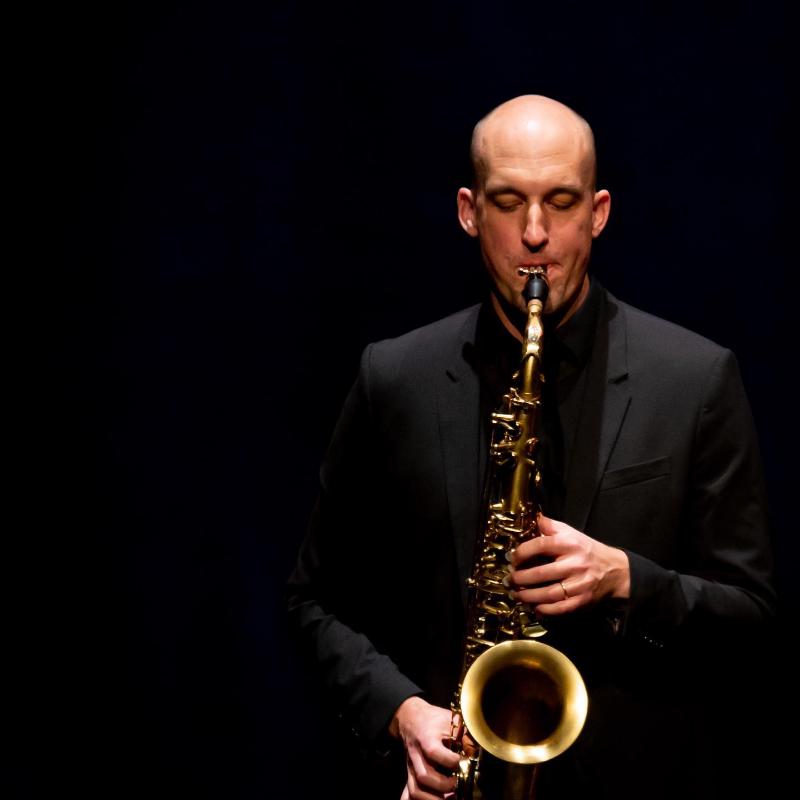
Mark Abel

Classical
Orchestral
 Viberate Rank: 1065625
 Viberate Rank: 1065625
 Monthly ListenersFollowers
 Subscribers
 Followers
 Followers
 FansTop Spotify SongsTop YouTube VideosMonthly ListenersFeatured in PlaylistsAudience
| City | Monthly Listeners | |
|---|---|---|
1 | | 3 |
See full performance history, audience data, playlist activity, rankings, comparisons, and more in Viberate music analytics. Start with a free trial, then continue with a paid plan.
Mark Abel’s Spotify BioComposer Mark Abel is known for an eclectic style that encompasses elements of the rock music he played earlier in his career. He turned to classical music later in life, while also pursuing a career as a journalist.
Abel was born on April 28, 1948, in Hartford, Connecticut. He attended Stanford University briefly in the late 1960s but then moved to New York, where he became a significant figure in the city's 1970s rock scene. Abel played on albums by Tom Verlaine and Michael Brown (The Left Banke) as well as leading groups of his own. In 1971, he was a member of the choir heard on the recording of jazz pianist Carla Bley's three-hour fusion work Escalator Over the Hill. In 1983, Abel returned to California and entered the journalism field, rising to the position of foreign editor of the San Francisco Chronicle before leaving in 2003 to devote himself to music full-time. While working as a journalist, he experimented with styles that were closer to concert music than to rock, although… the rock element in his music has never disappeared. His style is eclectic, incorporating influences from Ives, Brahms, and Henri Duparc, among many other composers.
Abel has issued his compositions mostly on albums bearing his own names; there have been six as of 2020, beginning with Songs of Life, Love and Death in 2006. He began to gain wider attention with The Dream Gallery (2012), a song cycle for seven soloists and chamber orchestra with sometimes satirical texts ("We love the homeless down on Telegraph, somewhat less on upper Solano") about ordinary Californians. The work was heard by Delos label director Carol Rosenberger, who arranged a performance of the work in southern California and signed Abel to the label for the albums Terrain of the Heart (2014) and Home is a Harbor (2016). The latter album contained Abel's first opera, also entitled Home is a Harbor, as well as art songs. Up to that point, Abel's music was primarily vocal, and he continued to write songs, often collaborating with soprano Hila Plitmann and releasing some of the results on the 2018 album Time and Distance. Abel's 2020 release The Cave of Wondrous voice moved in a new direction, comprising mostly chamber works.
Viberate is a music analytics platform built for A&Rs, artist managers, labels, booking agents, marketers, and artists.
It helps music professionals track artist growth, analyze audience data, monitor playlist activity, compare artists, follow song performance, and identify opportunities across the music market.
Public artist pages provide a free preview of selected artist data. Paid plans provide access to deeper analytics, historical data, charts, comparisons, playlist tools, exports, alerts, reports, and additional professional features.
Yes. Public Viberate artist pages provide selected artist analytics and music data for free.
Viberate also offers a 7-day free trial of the full platform. A credit card is required to start the trial. The trial includes access to the complete product so users can test deeper artist analytics, historical views, playlist insights, comparisons, charts, exports, alerts, and reporting features before choosing a paid plan.
Viberate provides artist analytics across streaming, playlists, social media, video, radio airplay, songs, and audience markets.
Users can analyze Spotify performance, Spotify and Apple Music playlists, YouTube activity, TikTok and Instagram growth, radio spins, song performance, audience locations, demographics, rankings, and overall artist momentum.
Artist profiles also connect to music charts, similar artists, and comparison tools, helping users benchmark performance and evaluate artists in context.
Viberate updates key artist and track data daily.
For followed artists and tracks, selected data is refreshed multiple times per day. This helps teams monitor playlist changes, streaming movement, audience growth, releases, and campaign performance with more current data.
Update frequency can vary depending on the metric and data source.
Yes. Viberate lets users compare up to five artists side by side across streaming, social media, audience, and engagement metrics.
Users can compare fanbase growth, audience demographics, locations, Spotify performance, social metrics, and other artist data over selected time periods.
Artist comparison can be used for A&R scouting, benchmarking, booking decisions, campaign planning, and evaluating artists with similar audiences or market positions.