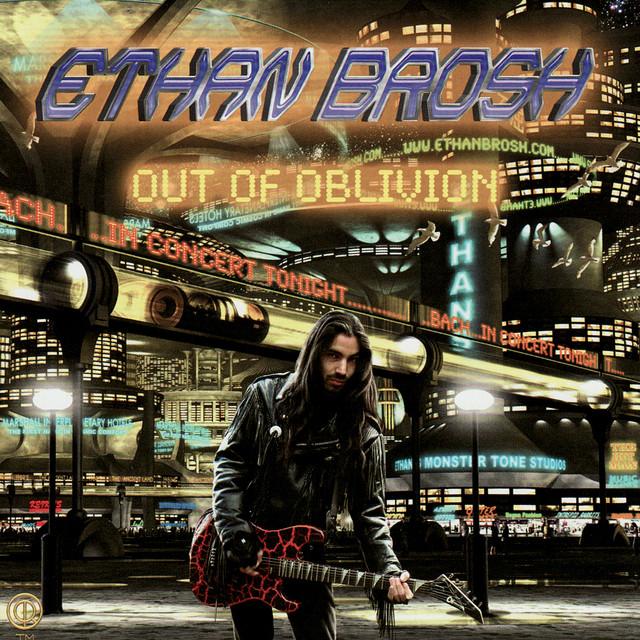
Mario Parga

Rock
Alternative Rock
Neoclassical
 Viberate Rank: 440370
 Viberate Rank: 440370
 Monthly ListenersFollowers
 Subscribers
 Followers
 Followers
 FansTop Spotify Songs
| Track | 7-Day Streams | |
|---|---|---|
1 | 67 | |
2 | 50 | |
3 | 19 | |
4 | 10 | |
5 | 8 |
Top YouTube VideosMonthly ListenersFeatured in Playlists| Playlist | Followers | |
|---|---|---|
1 |  Neoclassical/Symphonic Metal Doğukan Öztürk | 6.21K |
2 |  Nativity in Black III: A Tribute to Black Sabbath Ricardo Avila | 5.82K |
3 | Instrumental Metal Vince | 4.56K |
4 |  Black Sabbath Tributes & Covers Júlio Costa | 2.98K |
5 |  SHREDDERS Michael Hansen Buur | 1.82K |
Audience| City | Monthly Listeners | |
|---|---|---|
1 |  | 10 |
2 |  | 4 |
3 |  | 3 |
4 |  | 3 |
5 |  | 3 |
See full performance history, audience data, playlist activity, rankings, comparisons, and more in Viberate music analytics. Start with a free trial, then continue with a paid plan.
Mario Parga’s Spotify BioGuitarist Mario Parga, came into the spotlight during the late 1980s when he began appearing in
numerous guitar and rock magazines such as Guitar Player, Metal Hammer, Kerrang, Metal Forces and
played a live guitar solo on MTV’s ‘Metal Hammer’ show.
During the early 1990s Mario toured, played and recorded with numerous artists, most notably Cozy
Powell and Graham Bonnet. In 1991, his debut guitar instrumental album ‘The Magician’ was released
by President Records.
Considered by many to be one of the greatest sweep arpeggio players of the guitar ‘shred’ and
neoclassical metal genres, Mario combines complex arpeggio patterns with rapid alternate picking,
sweep-picking, legato and string bending. Mario was listed in the July 2008 edition of the international
guitar magazine Guitar World as being one of the World’s 50 fastest guitarists (alternate picking
technique) based on a scientific note clocking experiment. Despite his amazing speed, he is also renowned for his highly emotive slower playing.
Ma…rio’s new guitar instrumental album ‘Shadows & Light’ is now available (released May 20th 2025).
Viberate is a music analytics platform built for A&Rs, artist managers, labels, booking agents, marketers, and artists.
It helps music professionals track artist growth, analyze audience data, monitor playlist activity, compare artists, follow song performance, and identify opportunities across the music market.
Public artist pages provide a free preview of selected artist data. Paid plans provide access to deeper analytics, historical data, charts, comparisons, playlist tools, exports, alerts, reports, and additional professional features.
Yes. Public Viberate artist pages provide selected artist analytics and music data for free.
Viberate also offers a 7-day free trial of the full platform. A credit card is required to start the trial. The trial includes access to the complete product so users can test deeper artist analytics, historical views, playlist insights, comparisons, charts, exports, alerts, and reporting features before choosing a paid plan.
Viberate provides artist analytics across streaming, playlists, social media, video, radio airplay, songs, and audience markets.
Users can analyze Spotify performance, Spotify and Apple Music playlists, YouTube activity, TikTok and Instagram growth, radio spins, song performance, audience locations, demographics, rankings, and overall artist momentum.
Artist profiles also connect to music charts, similar artists, and comparison tools, helping users benchmark performance and evaluate artists in context.
Viberate updates key artist and track data daily.
For followed artists and tracks, selected data is refreshed multiple times per day. This helps teams monitor playlist changes, streaming movement, audience growth, releases, and campaign performance with more current data.
Update frequency can vary depending on the metric and data source.
Yes. Viberate lets users compare up to five artists side by side across streaming, social media, audience, and engagement metrics.
Users can compare fanbase growth, audience demographics, locations, Spotify performance, social metrics, and other artist data over selected time periods.
Artist comparison can be used for A&R scouting, benchmarking, booking decisions, campaign planning, and evaluating artists with similar audiences or market positions.