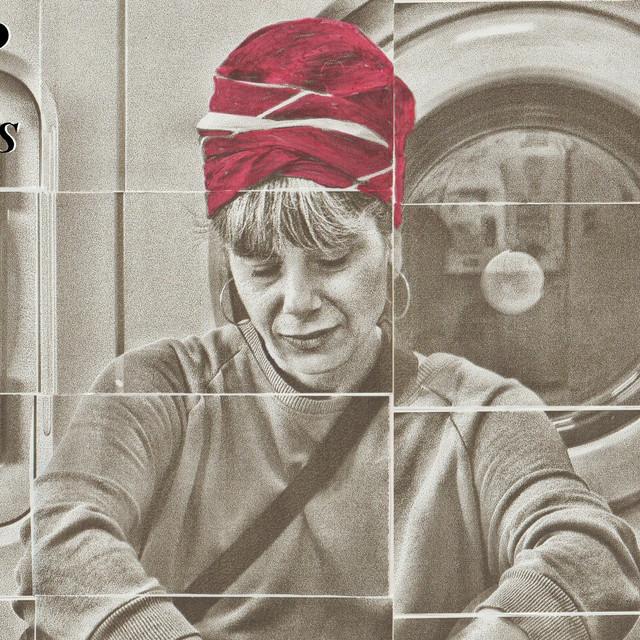
Marina P

Reggae
Roots Reggae
Dub
 Viberate Rank: 88139
 Viberate Rank: 88139
 Monthly ListenersFollowers
 Subscribers
 Followers
 Followers
 FansTop Spotify Songs
| Track | 7-Day Streams | |
|---|---|---|
1 | 55.88K | |
2 | 20.84K | |
3 | 6.79K | |
4 | 6.14K | |
5 | 4.95K |
Top YouTube VideosMonthly ListenersFeatured in Playlists| Playlist | Followers | |
|---|---|---|
1 |  The Essential Ska Spotify | 415.26K |
2 |  Volando con Hip-Hop Spotify | 187.12K |
3 |  Reggae Nation Spotify | 118.39K |
4 |  SKINS SOUNDTRACK season 1, 2, 3, 4, 5, 6 and 7 (all seasons) Christel Aurora Hilmo | 65.42K |
5 |  Reggae/Dub Andrès Vangheluwe | 39.33K |
Audience| City | Monthly Listeners | |
|---|---|---|
1 | | 4.21K |
2 |  | 3.40K |
3 |  | 2.34K |
4 |  | 2.32K |
5 | | 2.29K |
See full performance history, audience data, playlist activity, rankings, comparisons, and more in Viberate music analytics. Start with a free trial, then continue with a paid plan.
Marina P’s Spotify BioMarina P got a taste for jazz from her parents and cites Nina Simone and Chet
Baker as early influences, as well as contemporary hip hop, trip hop and reggae artists. She started performing on the underground scene in her native Italy before moving to Paris. In France she started to get involved in the soundsystem scene. Her break came when she voiced the massive “Divorce a l'italienne” with Mungo's Hi Fi in 2007, and she has gone on to release tunes and work with some of the best producers of the dub scene like. In 2013 she releases her first full album “My Homeys” with contributions from a large range of confirmed producers. Her cover of Wendy Rene's hit “I wish I were that girl” has been playlisted on international radios. In 2018 Marina P releases “Summer On Mars”: an hybrid album recorded with Stand High Patrol, influenced by the rich musical heritage of Bristol and led by Dub & Future Soul aesthetics. In 2020 she cemented her long-standing connection with Mungo's Hifi by releasing… eagerly awaited concept album « Soul Radio » on Scotch Bonnet Records. Expanding into multiple genres while keeping its roots in rocksteady, reggae and ska, this album is an ambitious representation of her artistic fullness. In 2025, after releasing several singles including songs in French and in Italian, she decides to work with Eeyun Purkins on a rocksteady & roots album. The project is the very first collaboration between Marina P and The Co-Operators.
Viberate is a music analytics platform built for A&Rs, artist managers, labels, booking agents, marketers, and artists.
It helps music professionals track artist growth, analyze audience data, monitor playlist activity, compare artists, follow song performance, and identify opportunities across the music market.
Public artist pages provide a free preview of selected artist data. Paid plans provide access to deeper analytics, historical data, charts, comparisons, playlist tools, exports, alerts, reports, and additional professional features.
Yes. Public Viberate artist pages provide selected artist analytics and music data for free.
Viberate also offers a 7-day free trial of the full platform. A credit card is required to start the trial. The trial includes access to the complete product so users can test deeper artist analytics, historical views, playlist insights, comparisons, charts, exports, alerts, and reporting features before choosing a paid plan.
Viberate provides artist analytics across streaming, playlists, social media, video, radio airplay, songs, and audience markets.
Users can analyze Spotify performance, Spotify and Apple Music playlists, YouTube activity, TikTok and Instagram growth, radio spins, song performance, audience locations, demographics, rankings, and overall artist momentum.
Artist profiles also connect to music charts, similar artists, and comparison tools, helping users benchmark performance and evaluate artists in context.
Viberate updates key artist and track data daily.
For followed artists and tracks, selected data is refreshed multiple times per day. This helps teams monitor playlist changes, streaming movement, audience growth, releases, and campaign performance with more current data.
Update frequency can vary depending on the metric and data source.
Yes. Viberate lets users compare up to five artists side by side across streaming, social media, audience, and engagement metrics.
Users can compare fanbase growth, audience demographics, locations, Spotify performance, social metrics, and other artist data over selected time periods.
Artist comparison can be used for A&R scouting, benchmarking, booking decisions, campaign planning, and evaluating artists with similar audiences or market positions.