Marie Onile

Pop
Indie Pop
Contemporary Country
 Viberate Rank: 462983
 Viberate Rank: 462983
 Monthly ListenersFollowers
 Subscribers
 Followers
 Followers
 FansTop Spotify Songs
| Track | 7-Day Streams | |
|---|---|---|
1 | 66 | |
2 | 42 | |
3 | 29 | |
4 | 8 | |
5 | 3 |
Top YouTube VideosMonthly ListenersFeatured in PlaylistsAudience| City | Monthly Listeners | |
|---|---|---|
1 | | 134 |
2 | | 18 |
3 | | 15 |
4 | | 11 |
5 | | 11 |
See full performance history, audience data, playlist activity, rankings, comparisons, and more in Viberate music analytics. Start with a free trial, then continue with a paid plan.
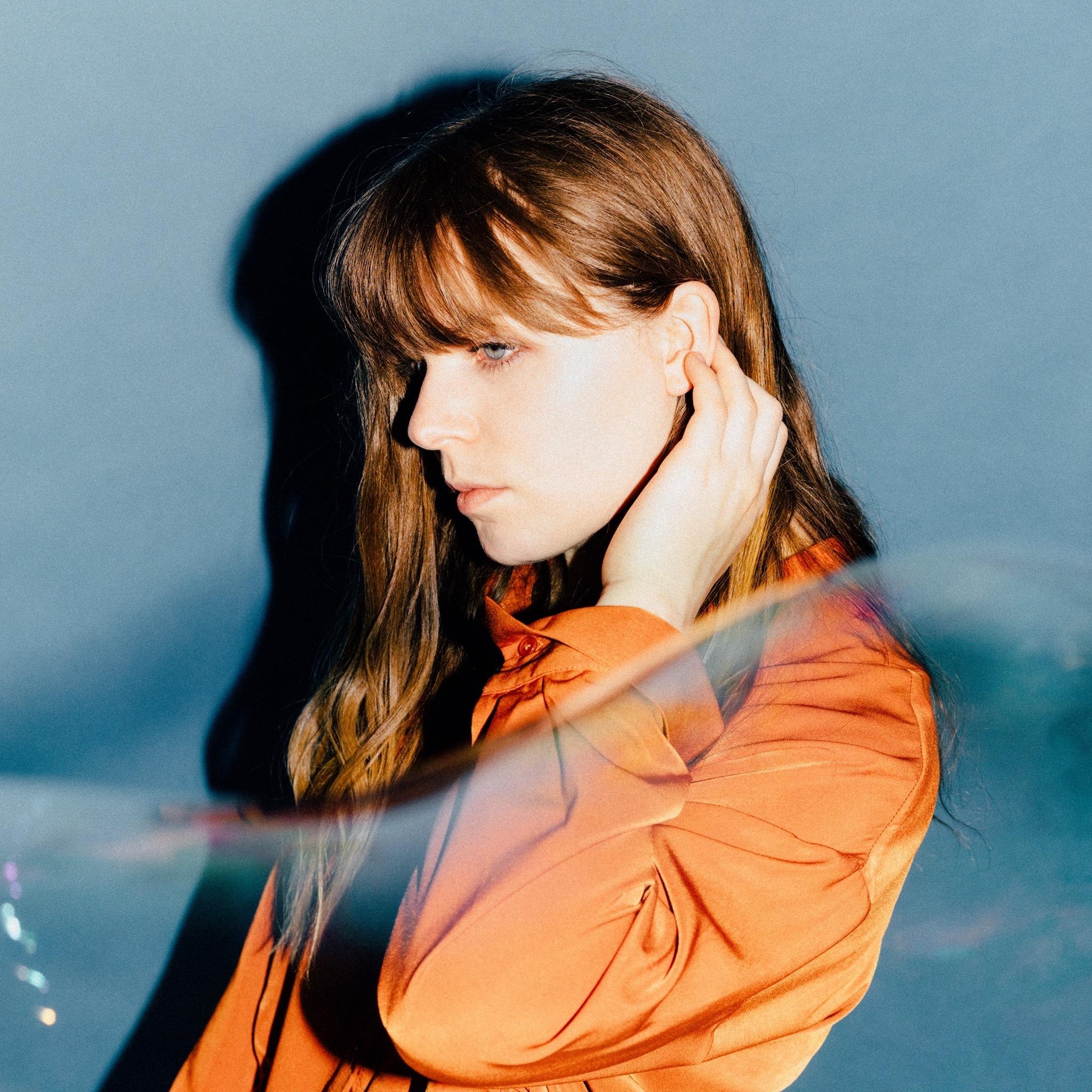
Marie Onile’s Spotify BioOriginaire de Lac-Mégantic, Marie Onile monte sur scène pour la première fois à l’âge de 8 ans.
En 2014, elle participe à La Voix II et choisit l’équipe de Louis-Jean Cormier. Sa rencontre avec son coach et son consultant, Martin Léon, sème le désir de s’imposer comme autrice-compositrice et interprète.
En 2015, elle termine ses études à l’École nationale de la chanson de Granby. L’année suivante, elle participe au Festival International de la chanson de Granby, au concours «Étoile Montante de Ford» dans le cadre des Francofolies de Montréal et, dans les deux cas, accède aux demi-finales. C’est en 2017 qu’elle lance son premier album original « Morceaux de verre ». Les premiers extraits radio se classent en 3e position du palmarès Franco Country de SiriusXM et en 3e position de la chaîne Top Détente-Stingray. À l’été 2017, elle est sélectionnée parmi les 8 auteurs compositeurs-interprètes pour participer aux Chemins d’écriture de Tadoussac.
En 2019, son deuxième album, « Iris pollués »… est ajouté sur une quarantaine de stations et la critique écrit : [...] Et dans ce genre musical où la concurrence est forte, la jeune musicienne réussit à se démarquer. » (ICI Musique). Elle se classe comme la 2e artistes la plus jouée sur les ondes de Sirius XM, chanson en 2020.
Au printemps 2023, elle lance son 3e album : "Les mots, l'élan et la chance" et termine de construire son studio avec Vincent Appelby, pleine de promesses.
Viberate is a music analytics platform built for A&Rs, artist managers, labels, booking agents, marketers, and artists.
It helps music professionals track artist growth, analyze audience data, monitor playlist activity, compare artists, follow song performance, and identify opportunities across the music market.
Public artist pages provide a free preview of selected artist data. Paid plans provide access to deeper analytics, historical data, charts, comparisons, playlist tools, exports, alerts, reports, and additional professional features.
Yes. Public Viberate artist pages provide selected artist analytics and music data for free.
Viberate also offers a 7-day free trial of the full platform. A credit card is required to start the trial. The trial includes access to the complete product so users can test deeper artist analytics, historical views, playlist insights, comparisons, charts, exports, alerts, and reporting features before choosing a paid plan.
Viberate provides artist analytics across streaming, playlists, social media, video, radio airplay, songs, and audience markets.
Users can analyze Spotify performance, Spotify and Apple Music playlists, YouTube activity, TikTok and Instagram growth, radio spins, song performance, audience locations, demographics, rankings, and overall artist momentum.
Artist profiles also connect to music charts, similar artists, and comparison tools, helping users benchmark performance and evaluate artists in context.
Viberate updates key artist and track data daily.
For followed artists and tracks, selected data is refreshed multiple times per day. This helps teams monitor playlist changes, streaming movement, audience growth, releases, and campaign performance with more current data.
Update frequency can vary depending on the metric and data source.
Yes. Viberate lets users compare up to five artists side by side across streaming, social media, audience, and engagement metrics.
Users can compare fanbase growth, audience demographics, locations, Spotify performance, social metrics, and other artist data over selected time periods.
Artist comparison can be used for A&R scouting, benchmarking, booking decisions, campaign planning, and evaluating artists with similar audiences or market positions.