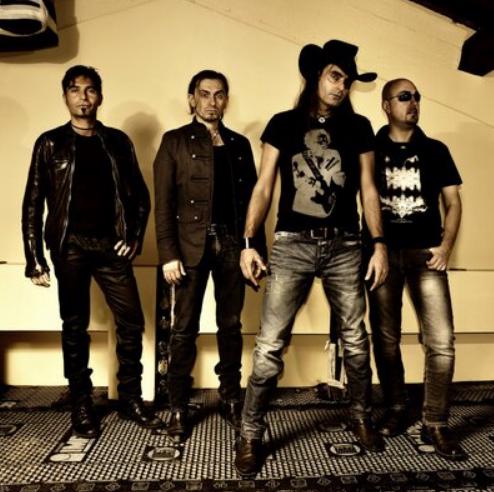
Marcomale

Rock
Indie Rock
 Viberate Rank: 601478
 Viberate Rank: 601478
 Monthly ListenersFollowers
 Subscribers
 Followers
 Followers
 FansTop Spotify Songs
| Track | 7-Day Streams | |
|---|---|---|
1 | 5 | |
2 | 1 | |
3 | 1 |
Top YouTube VideosMonthly ListenersFeatured in Playlists| Playlist | Followers | |
|---|---|---|
1 |  HIT POINT RECORDS RAP/TRAP HIT POINT RECORDS | 8.27K |
2 |  HIT POINT ITALIA HIT POINT RECORDS | 4.51K |
3 |  All Things New - Hit Point Records HIT POINT RECORDS | 1.70K |
Audience| City | Monthly Listeners | |
|---|---|---|
1 | | 3 |
See full performance history, audience data, playlist activity, rankings, comparisons, and more in Viberate music analytics. Start with a free trial, then continue with a paid plan.
Marcomale’s Spotify BioYou’re “riding dirty”… it is from this defiance, which we consider instead an invitation to think for yourself and not to observe too many conformisms, that the name MarcoMale comes to life. The band, formed by Ivan Casale on vocals, Lorenzo Pierini on guitars and Claudio Romagnoli on keyboards, was officially born in 2013 in Florence and proposes a sound of Rock matrix with electronic, synth-pop, dark-wave and alternative contaminations. The debut album was "Paradiso Verticale", released on March 03, 2015 and attended by various guests: Antonio Aiazzi (keyboardist and founding member of Litfiba), Luca Martelli (drummer of Giorgio Canali and Rossofuoco, Piero Pelù and Litfiba) and other musicians of the Florentine rock scene. The production of the album was entrusted to Giovanni Gasparini (sound engineer of Marlene Kuntz, Irene Grandi, Piero Pelù and Litfiba, etc ...) and was recorded and mixed at the Soundclinic studio in Florence and mastered at the Hotline Mastering in New York. The… single "Libero" has been on heavy rotation on Virgin Radio Italy for more than 3 months with an average of 3 daily radio broadcasts. The production of the second album, already completed, was entrusted to the producer Pietro Foresti (Tracii Guns, Scott Russo, Valeria Rossi, etc.), was recorded at Frequenze Studio in Monza and saw the participation of Andy from Bluvertigo in the song "Bataclan”.Contacts:
Instagram: marcomale.official
Facebook: www.facebook.com/marcomaleband
Viberate is a music analytics platform built for A&Rs, artist managers, labels, booking agents, marketers, and artists.
It helps music professionals track artist growth, analyze audience data, monitor playlist activity, compare artists, follow song performance, and identify opportunities across the music market.
Public artist pages provide a free preview of selected artist data. Paid plans provide access to deeper analytics, historical data, charts, comparisons, playlist tools, exports, alerts, reports, and additional professional features.
Yes. Public Viberate artist pages provide selected artist analytics and music data for free.
Viberate also offers a 7-day free trial of the full platform. A credit card is required to start the trial. The trial includes access to the complete product so users can test deeper artist analytics, historical views, playlist insights, comparisons, charts, exports, alerts, and reporting features before choosing a paid plan.
Viberate provides artist analytics across streaming, playlists, social media, video, radio airplay, songs, and audience markets.
Users can analyze Spotify performance, Spotify and Apple Music playlists, YouTube activity, TikTok and Instagram growth, radio spins, song performance, audience locations, demographics, rankings, and overall artist momentum.
Artist profiles also connect to music charts, similar artists, and comparison tools, helping users benchmark performance and evaluate artists in context.
Viberate updates key artist and track data daily.
For followed artists and tracks, selected data is refreshed multiple times per day. This helps teams monitor playlist changes, streaming movement, audience growth, releases, and campaign performance with more current data.
Update frequency can vary depending on the metric and data source.
Yes. Viberate lets users compare up to five artists side by side across streaming, social media, audience, and engagement metrics.
Users can compare fanbase growth, audience demographics, locations, Spotify performance, social metrics, and other artist data over selected time periods.
Artist comparison can be used for A&R scouting, benchmarking, booking decisions, campaign planning, and evaluating artists with similar audiences or market positions.