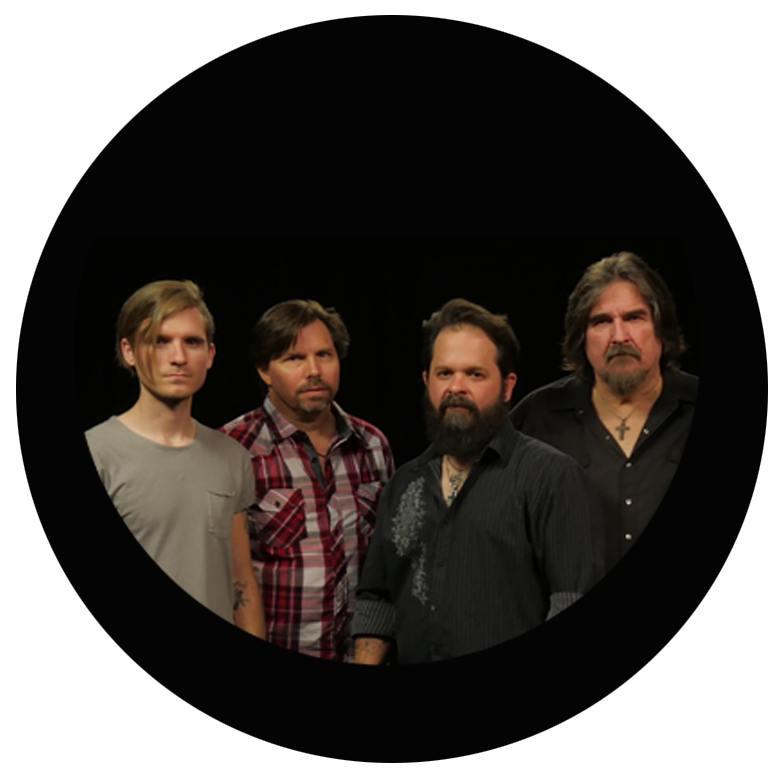
Marco Wriedt

Rock
Progressive Rock
 Viberate Rank: 651627
 Viberate Rank: 651627
 Monthly ListenersFollowers
 Subscribers
 Followers
 Followers
 FansTop Spotify Songs
| Track | 7-Day Streams | |
|---|---|---|
1 | 9 | |
2 | 7 | |
3 | 7 | |
4 | 6 | |
5 | 3 |
Top YouTube VideosMonthly ListenersFeatured in Playlists| Playlist | Followers | |
|---|---|---|
1 |  I Wanna Rock JaviFlames | 2.26K |
Audience| City | Monthly Listeners | |
|---|---|---|
1 | | 4 |
2 | | 3 |
See full performance history, audience data, playlist activity, rankings, comparisons, and more in Viberate music analytics. Start with a free trial, then continue with a paid plan.
Marco Wriedt’s Spotify BioSolo Artist, Pink Cream 69, Ex-Axxis, 21 Octayne guitarist, European Paul Reed Smith Guitars Artist and Guild, Marco Wriedt started playing guitar and took first lessons at the age of 10. After playing in school bands as a teenager, he became a professional musician at only 19 years of age when going on tour with Jeff Scott Soto (Ex-Journey, Yngwie Malmsteen) and the Los Angeles based, two-time surf world-champion Pop singer Daize Shayne. In 2007, he reached the next step in joining the Rock band AXXIS. Marco played all over Europe with AXXIS, including shows at high-profile Rock festivals such as Wacken, Masters of Rock, Rock Of Ages, Loreley or Sweden Rock. Mainstream chart entries followed.
Marco Wriedt was featured in major guitar magazines (Guitar and Gitarre & Bass) and played numerous times at Frankfurt Musikmesse, Guitar Summit, the NAMM Show in California and at other well known guitar events all over Europe. In 2010 he also formed his own Band "21 Octayne" . 21 Octayne… released three records worldwide via AFM-Records: "Into The Open" (2014), "2.0" (2015) and "Addicted to Thrill" (2016)
His goal as a guitar player is to combine a melodic soulfoul playing style with a diverse technique. Some of his influences are: Brian May, Eric Johnson, John Mc Laughlin, Neal Schon and Steve Howe.
His first solo album „Guitar Stories“ was released in January 2024.
Viberate is a music analytics platform built for A&Rs, artist managers, labels, booking agents, marketers, and artists.
It helps music professionals track artist growth, analyze audience data, monitor playlist activity, compare artists, follow song performance, and identify opportunities across the music market.
Public artist pages provide a free preview of selected artist data. Paid plans provide access to deeper analytics, historical data, charts, comparisons, playlist tools, exports, alerts, reports, and additional professional features.
Yes. Public Viberate artist pages provide selected artist analytics and music data for free.
Viberate also offers a 7-day free trial of the full platform. A credit card is required to start the trial. The trial includes access to the complete product so users can test deeper artist analytics, historical views, playlist insights, comparisons, charts, exports, alerts, and reporting features before choosing a paid plan.
Viberate provides artist analytics across streaming, playlists, social media, video, radio airplay, songs, and audience markets.
Users can analyze Spotify performance, Spotify and Apple Music playlists, YouTube activity, TikTok and Instagram growth, radio spins, song performance, audience locations, demographics, rankings, and overall artist momentum.
Artist profiles also connect to music charts, similar artists, and comparison tools, helping users benchmark performance and evaluate artists in context.
Viberate updates key artist and track data daily.
For followed artists and tracks, selected data is refreshed multiple times per day. This helps teams monitor playlist changes, streaming movement, audience growth, releases, and campaign performance with more current data.
Update frequency can vary depending on the metric and data source.
Yes. Viberate lets users compare up to five artists side by side across streaming, social media, audience, and engagement metrics.
Users can compare fanbase growth, audience demographics, locations, Spotify performance, social metrics, and other artist data over selected time periods.
Artist comparison can be used for A&R scouting, benchmarking, booking decisions, campaign planning, and evaluating artists with similar audiences or market positions.