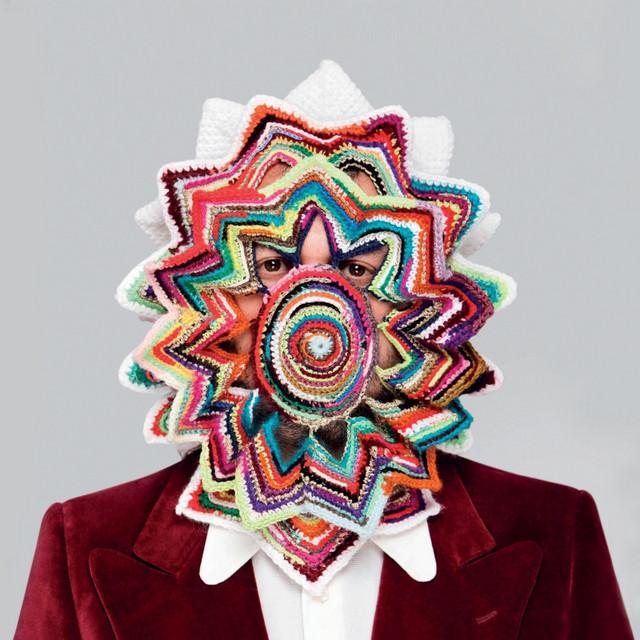
Marco Parente

Rock
Alternative Rock
Mainstream Pop
 Viberate Rank: 404895
 Viberate Rank: 404895
 Monthly ListenersFollowers
 Subscribers
 Followers
 Followers
 FansTop Spotify Songs
| Track | 7-Day Streams | |
|---|---|---|
1 | 39 | |
2 | 30 | |
3 | 18 | |
4 | 10 | |
5 | 9 |
Top YouTube VideosMonthly ListenersFeatured in Playlists| Playlist | Followers | |
|---|---|---|
1 |  Musica Indie Italiana - Indie Italia - Indie Italiano Musica Italiana | 2.50K |
2 | David Byrne Radio Presents: Italy Sings David Byrne | 2.10K |
3 |  SEJSMOGRAF Kinga Krasuska | 1.41K |
4 |  The Sound of Italian Alternative The Sounds of Spotify | 1.38K |
Audience| City | Monthly Listeners | |
|---|---|---|
1 | | 24 |
2 | | 16 |
3 | | 16 |
4 | | 16 |
5 | | 12 |
See full performance history, audience data, playlist activity, rankings, comparisons, and more in Viberate music analytics. Start with a free trial, then continue with a paid plan.
Marco Parente’s Spotify BioFor lack of a more fitting definition, critics usually describe Marco Parente as a singer/songwriter. Which is true, but also very narrowing for an artist who's constantly tried to move beyond the boundaries of genres and styles, expanding his music with the most different sounds (from jazz to Balcanic brass band arrangements) while exploring other art forms such as literature, visuals, and theater. To put it simple, one of the more original and eclectic Italian musicians of his generation.
Born in Naples in 1969 but musically grown up in Florence, Parente had his first music experiences as a drummer, first with the band Otto'p'notri then as a session man for C.S.I and Andrea Chimenti, with whom he released respectively the albums Linea Gotica and L'Albero Pazzo, both in 1996. In 1997 Parente released his first album, Eppur Non Basta: the work of an artist whose influences span from the most experimental Italian singer/songwriters to American musicians such as Tim and Jeff Buckley and S…hawn Phillips. 1999's Testa, Dì Cuore moved a step forward in the direction of more experimental sounds, but always within classical verse-chorus-verse structures -- in this sense, the easiest influence to spot was Radiohead's, as made clear by a song such as "Karma Parente."
In 2000 Parente took part of the traveling show Pullman My Daisy with the likes of Lawrence Ferlinghetti, John Giorno, and Alejandro Jodorowsky, and he wrote the score for Tempesta di Sogni, a ballet by the Blue Danza company inspired by Shakespeare's The Tempest. 2002 saw the release of Trasparente: produced by Afterhours' Manuel Agnelli, it was Parente's most ambitious work to date, and according to many his most accomplished. In the same year he received together with Agnelli and Cristina Donà the Grinzane Cavour prize for the poetical values of his lyrics; the recording of the concert the three artists made in that occasion was released in 2004 enclosed to the Italian music magazine Il Mucchio Extra. A 2003 performance with Millennium Bugs' Orchestra was released in 2004 under the title L'Attuale Jungla. Then with a brand new backing band including members of Italian experimental act Mariposa, Parente released between 2005 and 2006 two records with the same title, Neve Ridens, but different -- and somehow complementary -- in both track lists and atmospheres. The concerts made in Florence for the release of the first of those two records formed the core of 2006's dvd Neve Ridens un Giorno, including also a recording of a music- and literature-based show called Il Rumore dei Libri. ~ Aurelio Pasini, Rovi
Viberate is a music analytics platform built for A&Rs, artist managers, labels, booking agents, marketers, and artists.
It helps music professionals track artist growth, analyze audience data, monitor playlist activity, compare artists, follow song performance, and identify opportunities across the music market.
Public artist pages provide a free preview of selected artist data. Paid plans provide access to deeper analytics, historical data, charts, comparisons, playlist tools, exports, alerts, reports, and additional professional features.
Yes. Public Viberate artist pages provide selected artist analytics and music data for free.
Viberate also offers a 7-day free trial of the full platform. A credit card is required to start the trial. The trial includes access to the complete product so users can test deeper artist analytics, historical views, playlist insights, comparisons, charts, exports, alerts, and reporting features before choosing a paid plan.
Viberate provides artist analytics across streaming, playlists, social media, video, radio airplay, songs, and audience markets.
Users can analyze Spotify performance, Spotify and Apple Music playlists, YouTube activity, TikTok and Instagram growth, radio spins, song performance, audience locations, demographics, rankings, and overall artist momentum.
Artist profiles also connect to music charts, similar artists, and comparison tools, helping users benchmark performance and evaluate artists in context.
Viberate updates key artist and track data daily.
For followed artists and tracks, selected data is refreshed multiple times per day. This helps teams monitor playlist changes, streaming movement, audience growth, releases, and campaign performance with more current data.
Update frequency can vary depending on the metric and data source.
Yes. Viberate lets users compare up to five artists side by side across streaming, social media, audience, and engagement metrics.
Users can compare fanbase growth, audience demographics, locations, Spotify performance, social metrics, and other artist data over selected time periods.
Artist comparison can be used for A&R scouting, benchmarking, booking decisions, campaign planning, and evaluating artists with similar audiences or market positions.