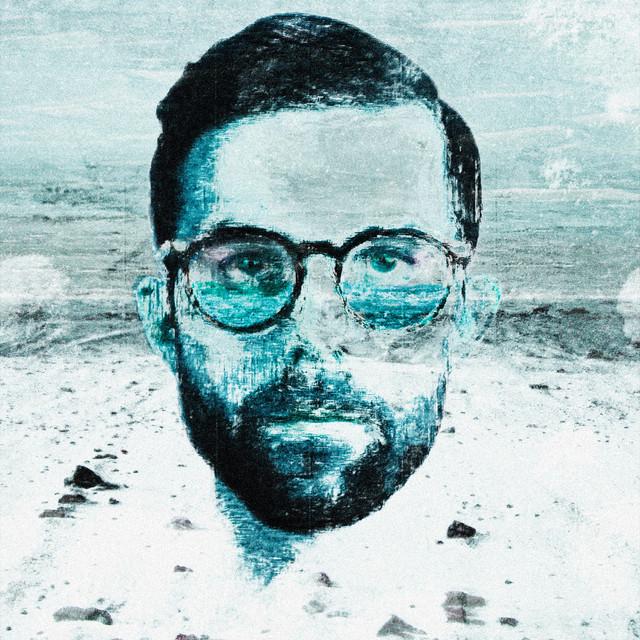
Marco Bresci

Electronic
Other Electronic Music
Classical Crossover
 Viberate Rank: 731682
 Viberate Rank: 731682
 Monthly ListenersFollowers
 Subscribers
 Followers
 Followers
 FansTop Spotify Songs
| Track | 7-Day Streams | |
|---|---|---|
1 | 122 | |
2 | 19 | |
3 | 2 | |
4 | 1 |
Top YouTube VideosMonthly ListenersFeatured in Playlists| Playlist | Followers | |
|---|---|---|
1 |  Claire de Lune Mariana Peña | 21.85K |
2 |  Cello & Piano Michael Logozar | 19.16K |
3 |  Contemporary Classical Music / Minimal Piano Julieta Giselle Aloise | 11.42K |
4 |  Best Calm & Relax Piano 2022 R&B Camp | 5.01K |
5 |  Fantasy Instrumental Playlist Ashley Tropea | 3.87K |
Audience| City | Monthly Listeners | |
|---|---|---|
1 |  | 17 |
2 | | 6 |
3 | | 6 |
4 |  | 5 |
5 |  | 5 |
See full performance history, audience data, playlist activity, rankings, comparisons, and more in Viberate music analytics. Start with a free trial, then continue with a paid plan.
Marco Bresci’s Spotify BioMarco Bresci is an Italian musician, composer, multi-instrumentalist, and electronic artist currently based in Vienna, Austria. Specializing in creating captivating musical soundscapes, Marco is adept at composing for television, film, and advertising. His artistic style seamlessly navigates a spectrum from heartfelt, simple melodies to intricate electronic sequences that build in intensity. His compositions are inspired by a fusion of neoclassical, orchestral, and electronic genres.
Originally a guitarist, Marco explored a wide range of musical styles, from blues and classical to rock and electronic music. A self-taught pianist, he became fascinated by the profound impact of music when paired with visual imagery. This fascination led him to the Conservatorio Luigi Cherubini in Florence, where he studied electronic music, blending traditional instruments with electronic sounds. In 2022, he earned his Master’s degree in electronic music.
Currently, Marco focuses on producing music in… various genres for numerous Library Music agencies worldwide. He also offers arrangement and production services for individual projects, specializing in both orchestral and electronic music.
Passionate about collaboration, Marco is eager to contribute to exciting projects and create compelling audio experiences. He is always interested in connecting with creative individuals and organizations to achieve the best possible results.
Viberate is a music analytics platform built for A&Rs, artist managers, labels, booking agents, marketers, and artists.
It helps music professionals track artist growth, analyze audience data, monitor playlist activity, compare artists, follow song performance, and identify opportunities across the music market.
Public artist pages provide a free preview of selected artist data. Paid plans provide access to deeper analytics, historical data, charts, comparisons, playlist tools, exports, alerts, reports, and additional professional features.
Yes. Public Viberate artist pages provide selected artist analytics and music data for free.
Viberate also offers a 7-day free trial of the full platform. A credit card is required to start the trial. The trial includes access to the complete product so users can test deeper artist analytics, historical views, playlist insights, comparisons, charts, exports, alerts, and reporting features before choosing a paid plan.
Viberate provides artist analytics across streaming, playlists, social media, video, radio airplay, songs, and audience markets.
Users can analyze Spotify performance, Spotify and Apple Music playlists, YouTube activity, TikTok and Instagram growth, radio spins, song performance, audience locations, demographics, rankings, and overall artist momentum.
Artist profiles also connect to music charts, similar artists, and comparison tools, helping users benchmark performance and evaluate artists in context.
Viberate updates key artist and track data daily.
For followed artists and tracks, selected data is refreshed multiple times per day. This helps teams monitor playlist changes, streaming movement, audience growth, releases, and campaign performance with more current data.
Update frequency can vary depending on the metric and data source.
Yes. Viberate lets users compare up to five artists side by side across streaming, social media, audience, and engagement metrics.
Users can compare fanbase growth, audience demographics, locations, Spotify performance, social metrics, and other artist data over selected time periods.
Artist comparison can be used for A&R scouting, benchmarking, booking decisions, campaign planning, and evaluating artists with similar audiences or market positions.