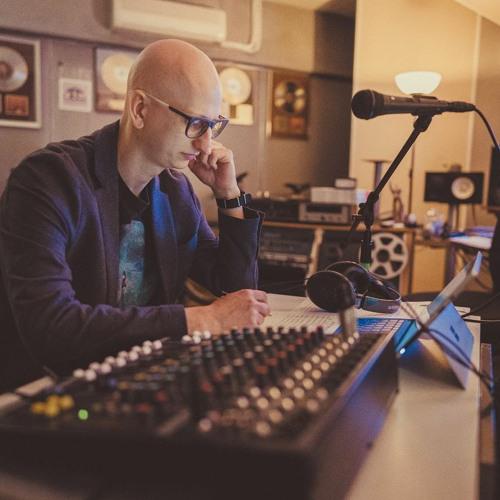
Marcin Przybyłowicz

Electronic
Other Electronic Music
Other European Music
 Viberate Rank: 16929
 Viberate Rank: 16929
 Monthly ListenersFollowers
 Subscribers
 Followers
 Followers
 FansTop Spotify Songs
| Track | 7-Day Streams | |
|---|---|---|
1 | 139.99K | |
2 | 116.13K | |
3 | 81.87K | |
4 | 62.05K | |
5 | 53.14K |
Top YouTube Videos| Video | 7-Day Views | |
|---|---|---|
1 | 129.13K | |
2 | 45.35K | |
3 | 29.40K | |
4 | 17.04K | |
5 | 15.15K |
Monthly ListenersFeatured in Playlists| Playlist | Followers | |
|---|---|---|
1 |  Video Game Soundtracks Spotify | 748.20K |
2 |  Cyberpunk 2077 Official Playlist Spotify | 435.85K |
3 |  Reading Adventure Spotify | 431.42K |
4 | Best Soundtracks of All Time Suntzu | 173.13K |
5 |  The Witcher Netflix Soundtrack (Season 1, 2, 3, 4) Boisterous Pop | 157.19K |
Audience| City | Monthly Listeners | |
|---|---|---|
1 | | 38.85K |
2 |  | 22.00K |
3 |  | 20.15K |
4 | | 17.84K |
5 |  | 16.36K |
See full performance history, audience data, playlist activity, rankings, comparisons, and more in Viberate music analytics. Start with a free trial, then continue with a paid plan.
Marcin Przybyłowicz’s Spotify BioA visionary - one of the most streamed Polish composers worldwide, Marcin Przybyłowicz has already made history in the gaming industry. With the release of “The Witcher 3: Wild Hunt” in 2015, then followed by two expansions — “Heart of Stone” and “Blood and Wine” — he instantly became a household name, gaining an immediate success he then repeated with the release of the score for “Cyberpunk 2077". Przybyłowicz has also been active in film industry, creating the soundtrack for “Cyberpunk: Edgerunners” with P.T Adamczyk and Akira Yamaoka, as well as for the Polish TV series “Krucjata”, hitting a number one in the Top 10 TV Shows on Netflix in Poland.
Przybyłowicz’s art has been widely recognized — he has received multiple nominations and awards for his work (CEEGA, BAFTA, The Game Awards, ASCAP Composers’ Choice Awards, DICE Award).
Viberate is a music analytics platform built for A&Rs, artist managers, labels, booking agents, marketers, and artists.
It helps music professionals track artist growth, analyze audience data, monitor playlist activity, compare artists, follow song performance, and identify opportunities across the music market.
Public artist pages provide a free preview of selected artist data. Paid plans provide access to deeper analytics, historical data, charts, comparisons, playlist tools, exports, alerts, reports, and additional professional features.
Yes. Public Viberate artist pages provide selected artist analytics and music data for free.
Viberate also offers a 7-day free trial of the full platform. A credit card is required to start the trial. The trial includes access to the complete product so users can test deeper artist analytics, historical views, playlist insights, comparisons, charts, exports, alerts, and reporting features before choosing a paid plan.
Viberate provides artist analytics across streaming, playlists, social media, video, radio airplay, songs, and audience markets.
Users can analyze Spotify performance, Spotify and Apple Music playlists, YouTube activity, TikTok and Instagram growth, radio spins, song performance, audience locations, demographics, rankings, and overall artist momentum.
Artist profiles also connect to music charts, similar artists, and comparison tools, helping users benchmark performance and evaluate artists in context.
Viberate updates key artist and track data daily.
For followed artists and tracks, selected data is refreshed multiple times per day. This helps teams monitor playlist changes, streaming movement, audience growth, releases, and campaign performance with more current data.
Update frequency can vary depending on the metric and data source.
Yes. Viberate lets users compare up to five artists side by side across streaming, social media, audience, and engagement metrics.
Users can compare fanbase growth, audience demographics, locations, Spotify performance, social metrics, and other artist data over selected time periods.
Artist comparison can be used for A&R scouting, benchmarking, booking decisions, campaign planning, and evaluating artists with similar audiences or market positions.