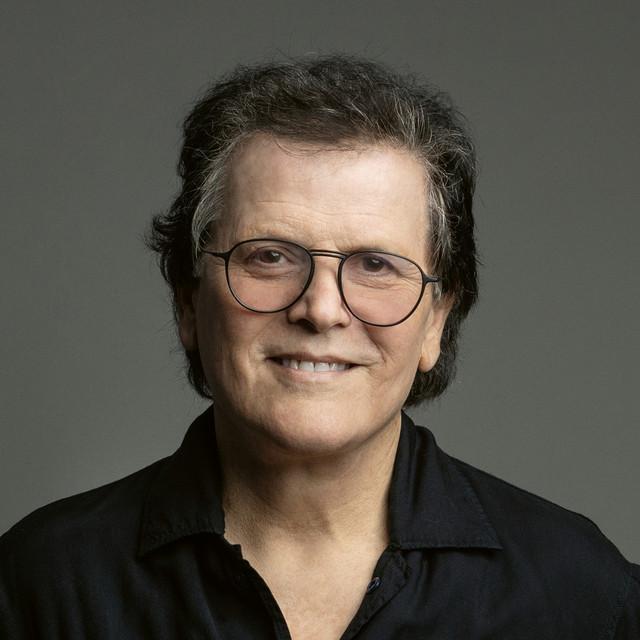
Marc Streitenfeld

Classical
Classical Crossover
 Viberate Rank: 86017
 Viberate Rank: 86017
 Monthly ListenersFollowers
 Subscribers
 Followers
 Followers
 FansTop Spotify Songs
| Track | 7-Day Streams | |
|---|---|---|
1 | 59.42K | |
2 | 42.22K | |
3 | 26.24K | |
4 | 25.97K | |
5 | 21.61K |
Top YouTube VideosMonthly ListenersFeatured in Playlists| Playlist | Followers | |
|---|---|---|
1 |  Atmospheric Sci-fi Soundtracks Spotify | 760.61K |
2 |  Reading Adventure Spotify | 431.31K |
3 | Best Soundtracks of All Time Suntzu | 173.03K |
4 | "Clasica" Yesenia Melendez Castellanos | 96.95K |
5 | Soundtracks for Studying Katie O'Brien | 56.08K |
Audience| City | Monthly Listeners | |
|---|---|---|
1 |  | 7.46K |
2 |  | 6.46K |
3 | | 4.99K |
4 |  | 4.90K |
5 | | 4.36K |
See full performance history, audience data, playlist activity, rankings, comparisons, and more in Viberate music analytics. Start with a free trial, then continue with a paid plan.
Marc Streitenfeld’s Spotify BioBorn in Munich, West Germany in 1974, Marc Streitenfeld is a film composer known for his many collaborations with director Ridley Scott. His often suspenseful orchestral scores can be heard in movies such as the 2010 version of Robin Hood starring Russell Crowe, 2012's Prometheus, and the 2015 remake of Poltergeist.
Streitenfeld launched his career in Hollywood after moving to Los Angeles at the age of 19 and finding work as Hans Zimmer's assistant. He moved on to working as technical score advisor on several films in the late '90s, and in the early 2000s found work as a music editor and music supervisor. After serving as music editor on Ridley Scott films such as Gladiator, Black Hawk Down, and Hannibal during that period, he made his composing debut with 2006's A Good Place, a romantic comedy directed by Scott.
Streitenfeld and Scott continued to collaborate for several years to come, joining forces on 2007's American Gangster, 2008's Body of Lies, and 2010's Robin Hood. Streitenfeld… earned a BAFTA nomination for American Gangster. The composer incorporated acoustic folk instruments alongside a chamber ensemble for 2010's Welcome to the Rileys, a film directed by Ridley's son Jake Scott. He returned to unsettling orchestral atmosphere for 2010's The Grey (co-produced by Scott), and he scored the Ridley Scott-directed sci-fi-adventure Prometheus, which arrived in theaters in 2012.
Streitenfeld struck out on his own for the 2014 crime drama After the Fall and the following year's retelling of the '80s horror classic Poltergeist. In 2017, his music could be heard in the Marc Forster-directed psychological thriller All I See Is You. ~ Marcy Donelson, Rovi
Viberate is a music analytics platform built for A&Rs, artist managers, labels, booking agents, marketers, and artists.
It helps music professionals track artist growth, analyze audience data, monitor playlist activity, compare artists, follow song performance, and identify opportunities across the music market.
Public artist pages provide a free preview of selected artist data. Paid plans provide access to deeper analytics, historical data, charts, comparisons, playlist tools, exports, alerts, reports, and additional professional features.
Yes. Public Viberate artist pages provide selected artist analytics and music data for free.
Viberate also offers a 7-day free trial of the full platform. A credit card is required to start the trial. The trial includes access to the complete product so users can test deeper artist analytics, historical views, playlist insights, comparisons, charts, exports, alerts, and reporting features before choosing a paid plan.
Viberate provides artist analytics across streaming, playlists, social media, video, radio airplay, songs, and audience markets.
Users can analyze Spotify performance, Spotify and Apple Music playlists, YouTube activity, TikTok and Instagram growth, radio spins, song performance, audience locations, demographics, rankings, and overall artist momentum.
Artist profiles also connect to music charts, similar artists, and comparison tools, helping users benchmark performance and evaluate artists in context.
Viberate updates key artist and track data daily.
For followed artists and tracks, selected data is refreshed multiple times per day. This helps teams monitor playlist changes, streaming movement, audience growth, releases, and campaign performance with more current data.
Update frequency can vary depending on the metric and data source.
Yes. Viberate lets users compare up to five artists side by side across streaming, social media, audience, and engagement metrics.
Users can compare fanbase growth, audience demographics, locations, Spotify performance, social metrics, and other artist data over selected time periods.
Artist comparison can be used for A&R scouting, benchmarking, booking decisions, campaign planning, and evaluating artists with similar audiences or market positions.