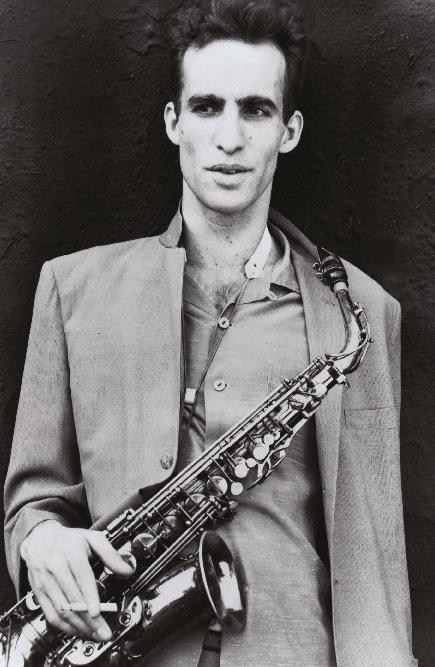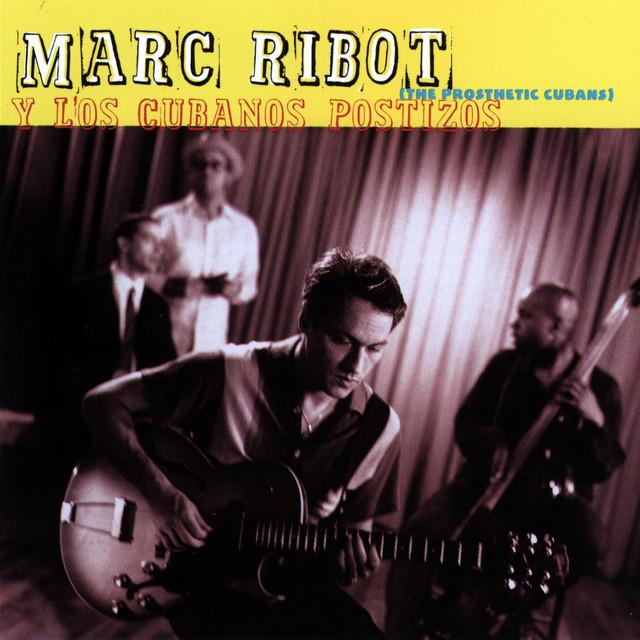
Marc Ribot

Pop
Indie Pop
Free Jazz
Jazz Fusion
 Viberate Rank: 66617
 Viberate Rank: 66617
 Monthly ListenersFollowers
 Subscribers
 Followers
 Followers
 FansTop Spotify Songs
| Track | 7-Day Streams | |
|---|---|---|
1 | 14.19K | |
2 | 6.81K | |
3 | 5.98K | |
4 | 4.04K | |
5 | 3.51K |
Top YouTube Videos| Video | 7-Day Views | |
|---|---|---|
1 | 1.63K | |
2 | 580 | |
3 | 460 | |
4 | 332 | |
5 | 280 |
Monthly ListenersFeatured in Playlists| Playlist | Followers | |
|---|---|---|
1 |  Got Blues Spotify | 161.34K |
2 |  Jacob's Optimum Music Feast Jacob Collier | 47.95K |
3 |  World Music 🌍 Wessel te Winkel | 30.68K |
4 |  NPR All Songs Considered - The Bob Boilen years (unofficial) Fri Tsch | 30.02K |
5 | 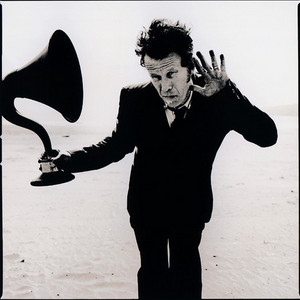 Tom Waits Best Songs Juan Ceñal | 28.62K |
Audience| City | Monthly Listeners | |
|---|---|---|
1 |  | 1.76K |
2 |  | 1.71K |
3 |  | 1.17K |
4 |  | 1.13K |
5 |  | 1.13K |
See full performance history, audience data, playlist activity, rankings, comparisons, and more in Viberate music analytics. Start with a free trial, then continue with a paid plan.
Marc Ribot’s Spotify Bio“Every movement which has ever won anything has had songs,” says Marc Ribot.
With his new album Songs of Resistance 1948 - 2018, Ribot—one of the world’s most accomplished and acclaimed guitar players—set out to assemble a set of songs that spoke to this political moment with appropriate ambition, passion, and fury. The eleven songs on the record are drawn from the World War II anti-Fascist Italian partisans, the U.S. civil rights movement, and Mexican protest ballads, as well as original compositions, and feature a wide range of guest vocalists, including Tom Waits, Steve Earle, Meshell Ndegeocello, Justin Vivian Bond, Fay Victor, Sam Amidon, and Ohene Cornelius.
Ribot began working on the project at the end of 2016, responding not just to the American elections, but to the political trends he was seeing around the world. “I am alarmed by Trump and the movement he’s part of,” he says. “I’ve spent a good chunk of my life running around the world on tour—I’m kind of an accidental… internationalist—and I see that he’s not an isolated phenomenon. And if we don’t deal with what is going on, it is going to deal with us.”
Viberate is a music analytics platform built for A&Rs, artist managers, labels, booking agents, marketers, and artists.
It helps music professionals track artist growth, analyze audience data, monitor playlist activity, compare artists, follow song performance, and identify opportunities across the music market.
Public artist pages provide a free preview of selected artist data. Paid plans provide access to deeper analytics, historical data, charts, comparisons, playlist tools, exports, alerts, reports, and additional professional features.
Yes. Public Viberate artist pages provide selected artist analytics and music data for free.
Viberate also offers a 7-day free trial of the full platform. A credit card is required to start the trial. The trial includes access to the complete product so users can test deeper artist analytics, historical views, playlist insights, comparisons, charts, exports, alerts, and reporting features before choosing a paid plan.
Viberate provides artist analytics across streaming, playlists, social media, video, radio airplay, songs, and audience markets.
Users can analyze Spotify performance, Spotify and Apple Music playlists, YouTube activity, TikTok and Instagram growth, radio spins, song performance, audience locations, demographics, rankings, and overall artist momentum.
Artist profiles also connect to music charts, similar artists, and comparison tools, helping users benchmark performance and evaluate artists in context.
Viberate updates key artist and track data daily.
For followed artists and tracks, selected data is refreshed multiple times per day. This helps teams monitor playlist changes, streaming movement, audience growth, releases, and campaign performance with more current data.
Update frequency can vary depending on the metric and data source.
Yes. Viberate lets users compare up to five artists side by side across streaming, social media, audience, and engagement metrics.
Users can compare fanbase growth, audience demographics, locations, Spotify performance, social metrics, and other artist data over selected time periods.
Artist comparison can be used for A&R scouting, benchmarking, booking decisions, campaign planning, and evaluating artists with similar audiences or market positions.