Maps

Electronic
Other Electronic Music
Shoegaze
 Viberate Rank: 146304
 Viberate Rank: 146304
 Monthly ListenersFollowers
 Subscribers
 Followers
 Followers
 FansTop Spotify Songs
| Track | 7-Day Streams | |
|---|---|---|
1 | 27.52K | |
2 | 3.63K | |
3 | 2.81K | |
4 | 983 | |
5 | 871 |
Top YouTube VideosMonthly ListenersFeatured in Playlists| Playlist | Followers | |
|---|---|---|
1 |  Sci-Fi Scapes Spotify | 283.20K |
2 |  Oblique Spotify | 209.73K |
3 | Gossip Girl (s1-6) Soundtrack Ashley Simoneaux | 68.75K |
4 |  SKINS SOUNDTRACK season 1, 2, 3, 4, 5, 6 and 7 (all seasons) Christel Aurora Hilmo | 65.42K |
5 | Ambient Electronic cotter | 32.64K |
Audience| City | Monthly Listeners | |
|---|---|---|
1 | | 964 |
2 |  | 397 |
3 |  | 317 |
4 |  | 314 |
5 | | 312 |
See full performance history, audience data, playlist activity, rankings, comparisons, and more in Viberate music analytics. Start with a free trial, then continue with a paid plan.
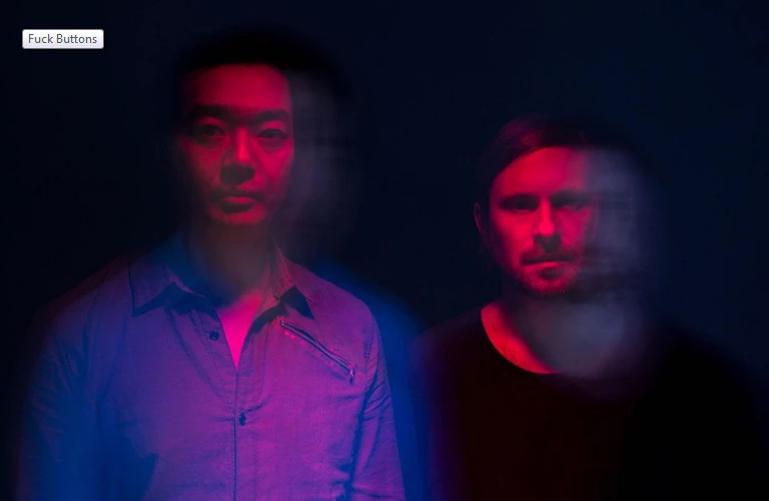
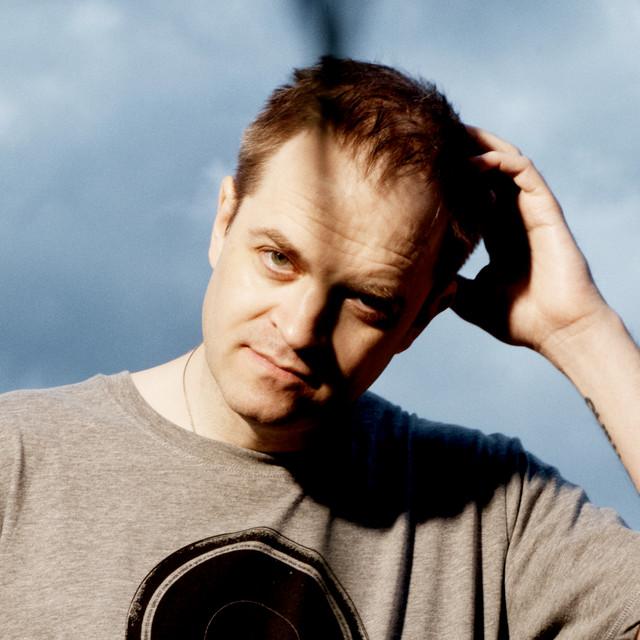
Maps’ Spotify BioMaps is the project of Northampton, U.K. sound sculptor James Chapman, who combines indie electronic sounds with atmospheric, sleepy rock that owes as much to Spiritualized and My Bloody Valentine as it does to Four Tet and Boards of Canada. Recording for the Mute Records roster, his 2007 debut earned a Mercury Prize nomination and paved the way for a series of ever-evolving albums like 2013's Vicissitude and the ambitious, highly collaborative 2019 album Colours. Reflect. Time. Loss. Moving into the next decade, Maps explored uptempo dance sounds on 2023's Counter Melodies.
A classical violinist and percussionist in his earlier years, Chapman eventually gravitated toward atmospheric rock and electronic music. In 2005, he bought a 16-track recorder and began recording songs inspired by Spacemen 3 and the Beloved. EPs such as Start Something, which was released on Last Space Recordings in 2006, led to Chapman signing with Mute. The label released Maps' 2007 debut album, We Can Create,… which was co-produced by Valgeir Sigurosson (Björk) and mixed by Ken Thomas (Sigur Rós). Shortlisted for the Mercury Prize, the album earned widespread acclaim and set the table for his more electronically inclined follow-up, 2009's Turning the Mind, which explored the concepts of mindfulness and the way the mind reacts to different stimuli. Chapman further honed his sound on 2013's Vicissitude, which featured some of his catchiest and most electronic-based songs to date. The following year, the remix collection Realigned arrived. It featured some of the best reworkings of all of Maps music to date and included contributions from Andy Stott, M83, and the Field, among others.
In 2016, Chapman detoured into a new project, collaborating with Mute labelmate Polly Scattergood as the duo ondeadwaves. Resuming work as Maps, he set out to record his most ambitious album yet, working with classical ensemble the Echo Collective and a variety of singers and guest instrumentalists to create 2019's Colours. Reflect. Time. Loss. Moving away from the more cerebral and melancholic style of his previous collections, Chapman opted for a vivid, dance-oriented sound on Maps' fifth album, 2023's Counter Melodies. ~ Kenyon Hopkin, Rovi
Viberate is a music analytics platform built for A&Rs, artist managers, labels, booking agents, marketers, and artists.
It helps music professionals track artist growth, analyze audience data, monitor playlist activity, compare artists, follow song performance, and identify opportunities across the music market.
Public artist pages provide a free preview of selected artist data. Paid plans provide access to deeper analytics, historical data, charts, comparisons, playlist tools, exports, alerts, reports, and additional professional features.
Yes. Public Viberate artist pages provide selected artist analytics and music data for free.
Viberate also offers a 7-day free trial of the full platform. A credit card is required to start the trial. The trial includes access to the complete product so users can test deeper artist analytics, historical views, playlist insights, comparisons, charts, exports, alerts, and reporting features before choosing a paid plan.
Viberate provides artist analytics across streaming, playlists, social media, video, radio airplay, songs, and audience markets.
Users can analyze Spotify performance, Spotify and Apple Music playlists, YouTube activity, TikTok and Instagram growth, radio spins, song performance, audience locations, demographics, rankings, and overall artist momentum.
Artist profiles also connect to music charts, similar artists, and comparison tools, helping users benchmark performance and evaluate artists in context.
Viberate updates key artist and track data daily.
For followed artists and tracks, selected data is refreshed multiple times per day. This helps teams monitor playlist changes, streaming movement, audience growth, releases, and campaign performance with more current data.
Update frequency can vary depending on the metric and data source.
Yes. Viberate lets users compare up to five artists side by side across streaming, social media, audience, and engagement metrics.
Users can compare fanbase growth, audience demographics, locations, Spotify performance, social metrics, and other artist data over selected time periods.
Artist comparison can be used for A&R scouting, benchmarking, booking decisions, campaign planning, and evaluating artists with similar audiences or market positions.