 Viberate
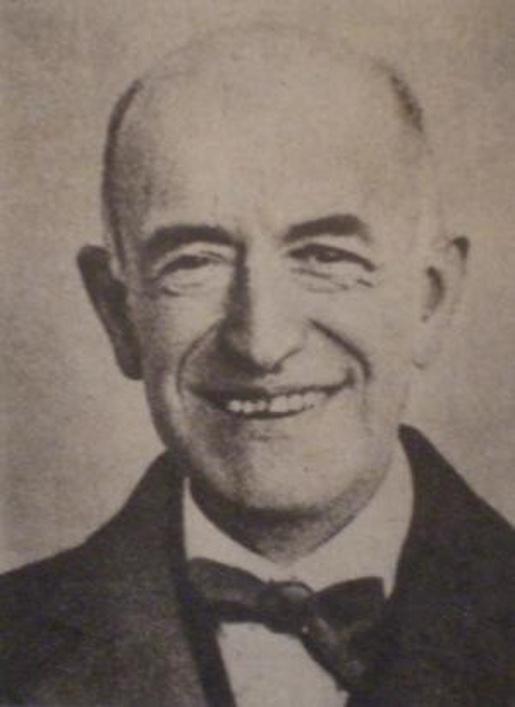
Manuel de Falla
 ESPClassical, Orchestral
 ESPClassical, Orchestral

Manuel de Falla was a Spanish composer known for his contributions to classical and orchestral music. Born in Cádiz in 1876, he infused his works with elements of Spanish folk music, showcasing the rich cultural heritage of his homeland. Falla's compositions often reflect a blend of traditional melodies and modern techniques, making him a key figure in early 20th-century music. His notable works include ballets and orchestral pieces that capture the spirit of Spain, earning him recognition both locally and internationally. De Falla passed away in 1946, but his music continues to resonate with audiences today.
Manuel de Falla's music features a blend of Spanish folk influences and classical traditions. One notable piece is "Homenaje pour le Tombeau de Claude Debussy," which pays respect to the French composer while showcasing Falla's unique style. Another standout is "La vida breve, Act II: Danza," known for its lively rhythms and engaging melodies.
Falla also created a series of songs, "7 Canciones populares españolas," where he captures the essence of Spanish culture. Tracks like "No. 5, Nana" and "No. 3, Asturiana" highlight his ability to weave traditional themes into his compositions. The energy of "El Sombrero de Tres Picos: Danza del Molinero" and "Spanish Dance No. 1" further illustrate his rhythmic flair. Other notable works include "Danza No. 1" from "La vida breve" and "Cuatro piezas españolas: No 4, Andaluza." Each piece reflects Falla's connection to his roots while contributing to the classical music landscape.
Manuel de Falla's recent contributions to classical music include the album "Rising Stars - The Classical Vanguard (2025)", which showcases various interpretations of his work. Another notable release is "Enigma" - Classical Masterpieces (2025), featuring a selection of pieces that highlight the depth of his compositions. The album "The Pianists' Workshop (2025)" also brings attention to his piano works, offering fresh takes on his style.
In addition to these albums, Falla's latest singles reflect his enduring influence. "7 Canciones populares españolas: No. 6, Canción (Arr. for Oboe and Piano by Serol Yapici)" offers a unique arrangement that brings a different texture to the original piece. Other singles, like "Falla: 7 Canciones populares españolas: No. 3, Asturiana" and "No. 5, Nana" (both transcribed for violin and guitar), continue to explore his popular melodies. The single "Falla: Danza española No. 1" rounds out this selection, providing listeners with a rhythmic and engaging experience.
Manuel de Falla's music has been featured in various important performances and festivals. Notable appearances include Cadogan Hall in London, where his works resonated with the audience. His compositions often highlight Spanish themes, which have captivated listeners across different venues.
At the Muziekgebouw aan 't IJ in Amsterdam, Falla's music was part of a program celebrating Spanish composers. This venue has a reputation for showcasing diverse classical music. In addition to these key locations, Falla's pieces have been performed at festivals such as the Granada Festival, where his influence on Spanish music is evident.
His works continue to be performed by orchestras worldwide, maintaining relevance in the classical music scene. The combination of his unique style and the skill of musicians keeps his legacy alive through both contemporary performances and traditional interpretations.
Manuel de Falla’s collaborations span a variety of interpretations and arrangements, showcasing his work in different contexts. One notable piece is “Homenaje pour le Tombeau de Claude Debussy,” performed with Andrés Madariaga. This collaboration pays tribute to Debussy, blending Falla's Spanish influences with French impressionism.
Another significant collaboration features “7 Canciones populares españolas: No. 5, Nana,” with violinist Randall Goosby and guitarist Plinio Fernandes. Their interpretation brings a fresh perspective to Falla’s folk-inspired melodies.
Avi Avital joins forces with Between Worlds in “Cuatro piezas españolas: No 4, Andaluza.” This arrangement for mandolin and ensemble highlights the rhythmic richness of Falla's work. Additionally, “El amor brujo: Danza del juego del amor” features Avi Avital, Marina Heredia, and José Quevedo Bolita, melding diverse instruments and vocals to create a vibrant interpretation.
Lastly, the collaboration with Aldo Ciccolini and Federico Mompou on “II. No 2 - Studio Recording” adds another layer to Falla’s legacy, blending the distinct styles of both composers.
Viberate is a professional music analytics service that provides a complete data overview of Manuel de Falla, covering audience data, Spotify playlists and stats, individual track performance, and cross-platform metrics including Spotify, YouTube, streaming, and radio airplay analytics. The platform also includes full social media analytics across Instagram, TikTok, and Facebook, as well as insights from Apple Music playlists, SoundCloud, Beatport, Shazam, and Deezer, alongside artist charts, streaming charts, genre charts, and genre analytics to support A&R discovery, benchmarking, and strategic decision-making.



