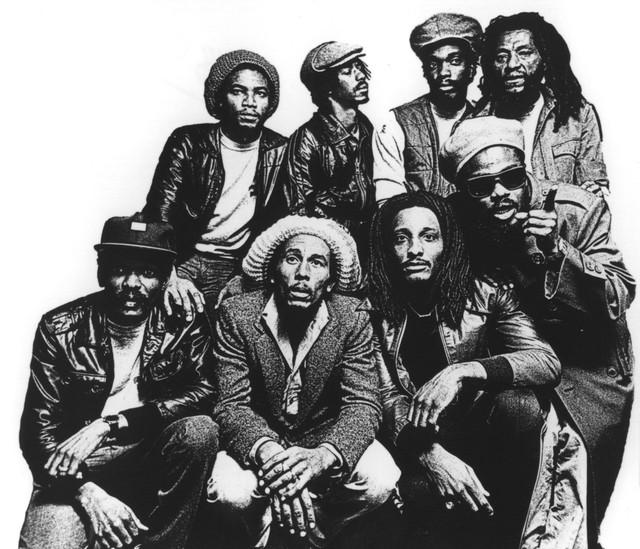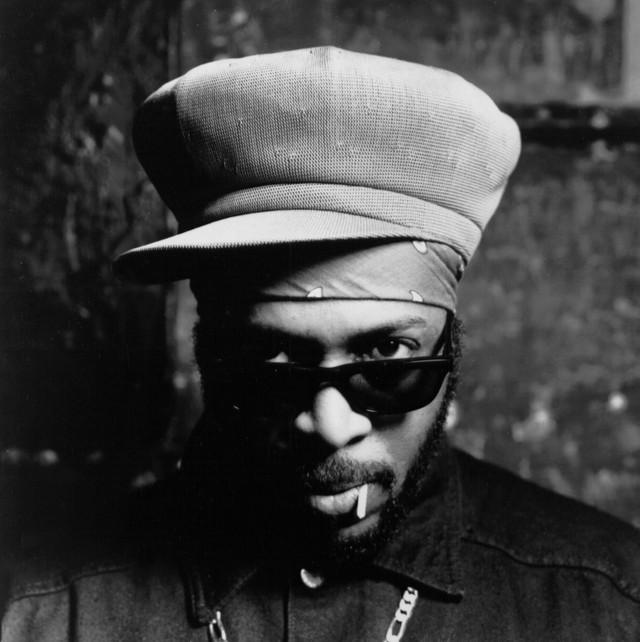
Manu Chao

Reggae
Reggae Fusion
Latin alternative
 Viberate Rank: 1713
 Viberate Rank: 1713
 Monthly ListenersFollowers
 Subscribers
 Followers
 Followers
 FansTop Spotify Songs
| Track | 7-Day Streams | |
|---|---|---|
1 | 3.21M | |
2 | 1.30M | |
3 | 1.08M | |
4 | 431.37K | |
5 | 331.87K |
Top YouTube VideosMonthly ListenersFeatured in Playlists| Playlist | Followers | |
|---|---|---|
1 |  Verano Forever Spotify | 3.38M |
2 |  sped up songs Spotify | 1.91M |
3 |  Sommerhits 2026 Spotify | 1.58M |
4 |  Los 2000 México Spotify | 1.57M |
5 |  Reggaeton 2026 🍑 🔥 Alex Garcia | 1.21M |
Audience| City | Monthly Listeners | |
|---|---|---|
1 |  | 373.93K |
2 |  | 234.38K |
3 |  | 219.97K |
4 |  | 125.72K |
5 |  | 117.18K |
See full performance history, audience data, playlist activity, rankings, comparisons, and more in Viberate music analytics. Start with a free trial, then continue with a paid plan.
Manu Chao’s Spotify BioManu Chao was born on June 21, 1961, in Paris to Spanish parents. Growing up bilingual, As a teen he played in several punk rock bands before he formed Mano Negra and recorded their first single, "Mala Vida". Multilingual and decidedly multicultural, with an edge heavily influenced by the punk rock of the Clash, Mano Negra seemed comfortably at home in their music anywhere in the world until 1994.
Chao then explored South and Central America, spending the next few years drifting around with his guitar and a four-track, recording as he pleased. The resultant collection of songs, Clandestino, was released in 1998. The album was a sleeper hit that found its niche in the burgeoning Latin alternative scene, even though its lyrics freely mixed English and French along with Spanish.
In June 2001 Chao released Proxima Estacion: Esperanza, which showed he'd spent the last couple of years soaking up the sounds of the Caribbean.
In 2004 Chao released his first French-only album, Sibérie M'était… Contéee, a cycle of songs about Paris, and in 2007 he brought out Radiolina, the artist's first studio album in six years. Chao remained a popular live attraction, touring heavily all over the world and kept releasing new singles regularly since 2017. The dry spell for a new album ended with 2024's Viva Tu, which confirmed his bold style had changed little with the passage of time. ~ Chris Nickson & Mark Deming, Rovi
Viberate is a music analytics platform built for A&Rs, artist managers, labels, booking agents, marketers, and artists.
It helps music professionals track artist growth, analyze audience data, monitor playlist activity, compare artists, follow song performance, and identify opportunities across the music market.
Public artist pages provide a free preview of selected artist data. Paid plans provide access to deeper analytics, historical data, charts, comparisons, playlist tools, exports, alerts, reports, and additional professional features.
Yes. Public Viberate artist pages provide selected artist analytics and music data for free.
Viberate also offers a 7-day free trial of the full platform. A credit card is required to start the trial. The trial includes access to the complete product so users can test deeper artist analytics, historical views, playlist insights, comparisons, charts, exports, alerts, and reporting features before choosing a paid plan.
Viberate provides artist analytics across streaming, playlists, social media, video, radio airplay, songs, and audience markets.
Users can analyze Spotify performance, Spotify and Apple Music playlists, YouTube activity, TikTok and Instagram growth, radio spins, song performance, audience locations, demographics, rankings, and overall artist momentum.
Artist profiles also connect to music charts, similar artists, and comparison tools, helping users benchmark performance and evaluate artists in context.
Viberate updates key artist and track data daily.
For followed artists and tracks, selected data is refreshed multiple times per day. This helps teams monitor playlist changes, streaming movement, audience growth, releases, and campaign performance with more current data.
Update frequency can vary depending on the metric and data source.
Yes. Viberate lets users compare up to five artists side by side across streaming, social media, audience, and engagement metrics.
Users can compare fanbase growth, audience demographics, locations, Spotify performance, social metrics, and other artist data over selected time periods.
Artist comparison can be used for A&R scouting, benchmarking, booking decisions, campaign planning, and evaluating artists with similar audiences or market positions.