Maniac

Punk
Punk Rock
Power Pop
 Viberate Rank: 525599
 Viberate Rank: 525599
 Monthly ListenersFollowers
 Subscribers
 Followers
 Followers
 FansTop Spotify Songs
| Track | 7-Day Streams | |
|---|---|---|
1 | 11 | |
2 | 5 | |
3 | 4 | |
4 | 4 | |
5 | 3 |
Top YouTube VideosMonthly ListenersFeatured in Playlists| Playlist | Followers | |
|---|---|---|
1 |  El Sótano de Radio 3 Groovyfamily | 9.84K |
2 |  Garage Punk / Lo-Fi Nick Seaney | 5.40K |
3 |  ⊛ beach goth ⊛ Thuỳ Dang | 1.89K |
4 | NEW MUSIC: Punk (2026) Daily Fresh Finds | 1.57K |
Audience| City | Monthly Listeners | |
|---|---|---|
1 |  | 5 |
2 | | 5 |
See full performance history, audience data, playlist activity, rankings, comparisons, and more in Viberate music analytics. Start with a free trial, then continue with a paid plan.
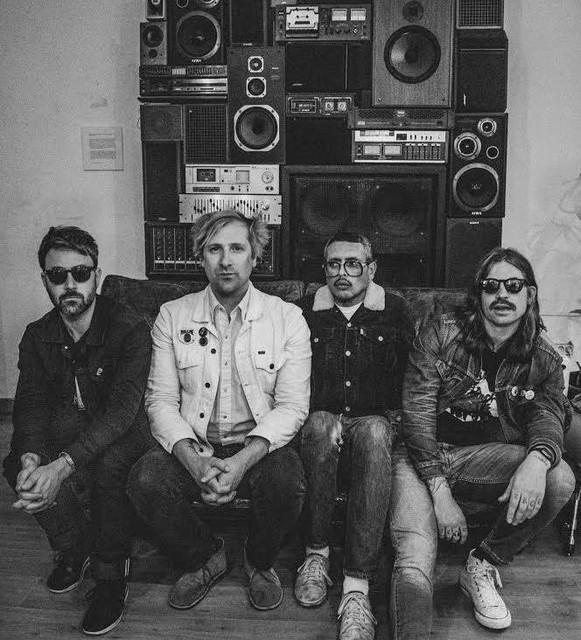
Maniac’s Spotify BioOn MANIAC's second full-length the twelve new tracks snap and bop by like any high quality-cum-octane vintage LA and Pacific Northwest punk but without any sense of nostalgia or fetish for a particular scene. The album spans the delights of the melodically layered and trade-off vocals of "Post Post World" and "Neutral Libido," the snarl-chants of "Children of the Dirt" and "Living in Stereo," and the controlled frenzy of openers "City Lights" and "Subject to Change" which start the album.
The band first came together in 2012 when Andrew Zappin and ex-Seattleite Zache Davis (The Girls, The Cute Lepers, Weird Numbers) would hit the dark night spots of El Lay together, bonding over classic power pop and a passion for creating songs about 'weird times going pro' (as Hunter Thompson once wrote). Adding Justin Maurer (Clorox Girls, La Drugz) on second guitar and James Carman (Images, LA Drugz) on drums, solidifying the line-up.
The band has four songwriters, Zache Davis (bass and lead vocals),… Justin Maurer (vocals and guitars), Andrew Zappin (guitar), and James Carman (drums and backing vocals). Dead Dance Club was recorded at Station House Studios in Echo Park by Mark Rains.
MANIAC were finalists in LA Weekly's Best Live Band in LA awards category. There is something quintessentially LA about them, even if their punk rock would have fit perfectly with any decaying, hedonistic City of the West trying to abuse its body to believe in its soul.
Viberate is a music analytics platform built for A&Rs, artist managers, labels, booking agents, marketers, and artists.
It helps music professionals track artist growth, analyze audience data, monitor playlist activity, compare artists, follow song performance, and identify opportunities across the music market.
Public artist pages provide a free preview of selected artist data. Paid plans provide access to deeper analytics, historical data, charts, comparisons, playlist tools, exports, alerts, reports, and additional professional features.
Yes. Public Viberate artist pages provide selected artist analytics and music data for free.
Viberate also offers a 7-day free trial of the full platform. A credit card is required to start the trial. The trial includes access to the complete product so users can test deeper artist analytics, historical views, playlist insights, comparisons, charts, exports, alerts, and reporting features before choosing a paid plan.
Viberate provides artist analytics across streaming, playlists, social media, video, radio airplay, songs, and audience markets.
Users can analyze Spotify performance, Spotify and Apple Music playlists, YouTube activity, TikTok and Instagram growth, radio spins, song performance, audience locations, demographics, rankings, and overall artist momentum.
Artist profiles also connect to music charts, similar artists, and comparison tools, helping users benchmark performance and evaluate artists in context.
Viberate updates key artist and track data daily.
For followed artists and tracks, selected data is refreshed multiple times per day. This helps teams monitor playlist changes, streaming movement, audience growth, releases, and campaign performance with more current data.
Update frequency can vary depending on the metric and data source.
Yes. Viberate lets users compare up to five artists side by side across streaming, social media, audience, and engagement metrics.
Users can compare fanbase growth, audience demographics, locations, Spotify performance, social metrics, and other artist data over selected time periods.
Artist comparison can be used for A&R scouting, benchmarking, booking decisions, campaign planning, and evaluating artists with similar audiences or market positions.