Mandala

Pop
Indie Pop
Indie Rock
 Viberate Rank: 407722
 Viberate Rank: 407722
 Monthly ListenersFollowers
 Subscribers
 Followers
 Followers
 FansTop Spotify Songs
| Track | 7-Day Streams | |
|---|---|---|
1 | 67 | |
2 | 58 | |
3 | 53 | |
4 | 40 | |
5 | 31 |
Top YouTube VideosMonthly ListenersFeatured in Playlists| Playlist | Followers | |
|---|---|---|
1 |  Psychedelic Trance Marcel Huber | 65.83K |
2 |  Rock Night Franky Brown | 4.89K |
3 | FULL ON Welker Vanguard | 2.02K |
4 |  Psytrance 145-180 BPM Nakul Kanchan | 2.02K |
5 |  The Infinite ADHD Playlist PART TWO Catieosaurus | 1.82K |
Audience| City | Monthly Listeners | |
|---|---|---|
1 | | 29 |
2 | | 27 |
3 | | 26 |
4 | | 17 |
5 | | 16 |
See full performance history, audience data, playlist activity, rankings, comparisons, and more in Viberate music analytics. Start with a free trial, then continue with a paid plan.
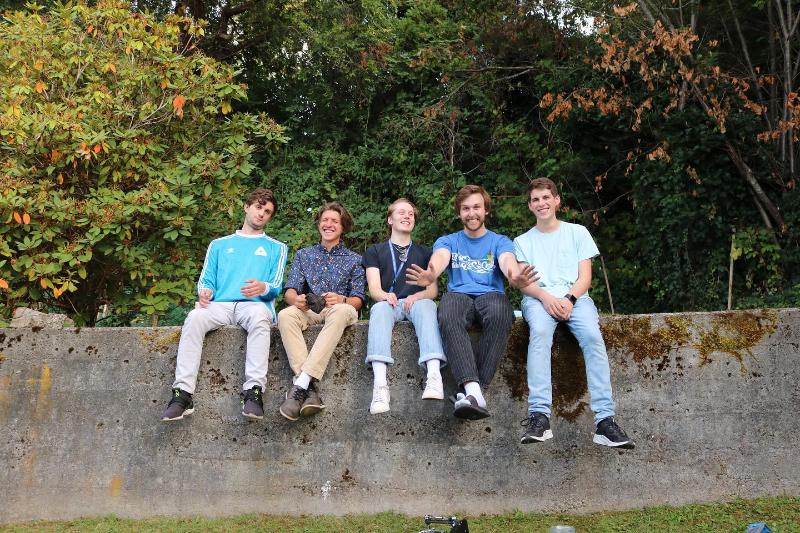
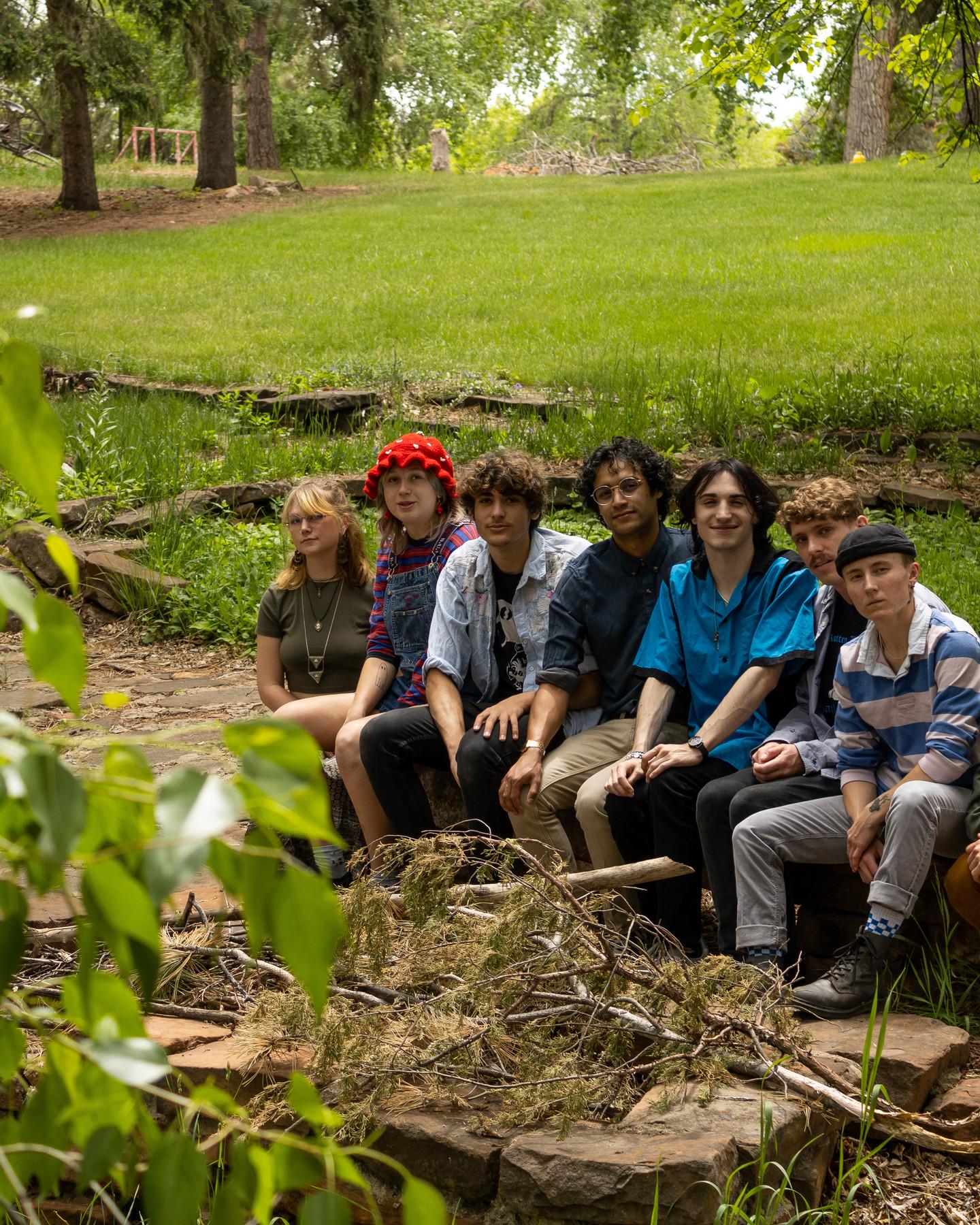
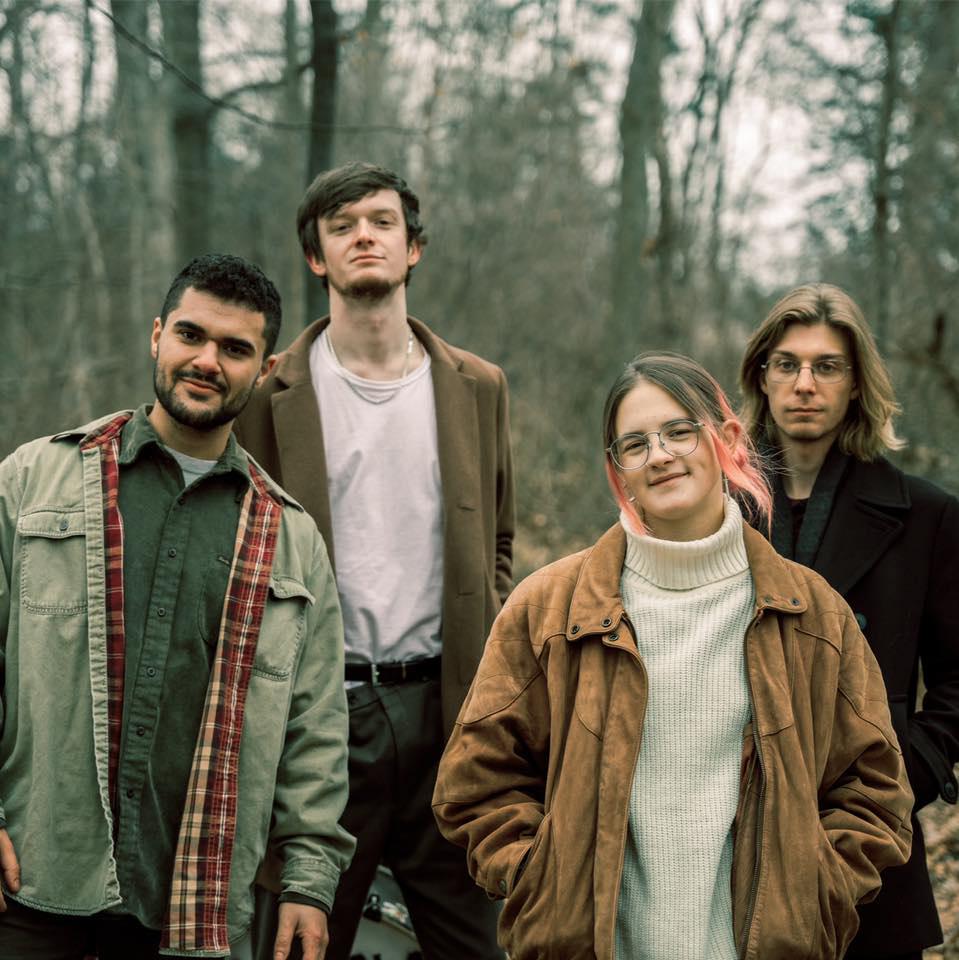
Mandala’s Spotify BioMandala began when Abe Azab met Morgan Fasanelli in Waterbury, Connecticut. They soon discovered that by using music as an outlet for the situations they faced in their own lives, they could create a musical experience that would resonate with listeners from all backgrounds. After being homeless at the age of 17, Abe became close as ever with Morgan when he moved into her guest bedroom the summer before he went to college. Morgan saved her friend from a tight situation, and this brought new light and motivation to the music that they had already been creating. The two went on spending endless hours perfecting their songwriting together. Soon, the aspiring songwriters would begin developing the sound that is mandala.
By using these experiences in their songwriting, mandala creates powerful music that influences their listeners to experience the world from their perspective; love, loss, confidence, struggle and hope are themes they conquer within their music. Their tightness within their… interpersonal lives binds them together both on, and off stage, presenting a chemistry to the audience that is evident beyond the performance.
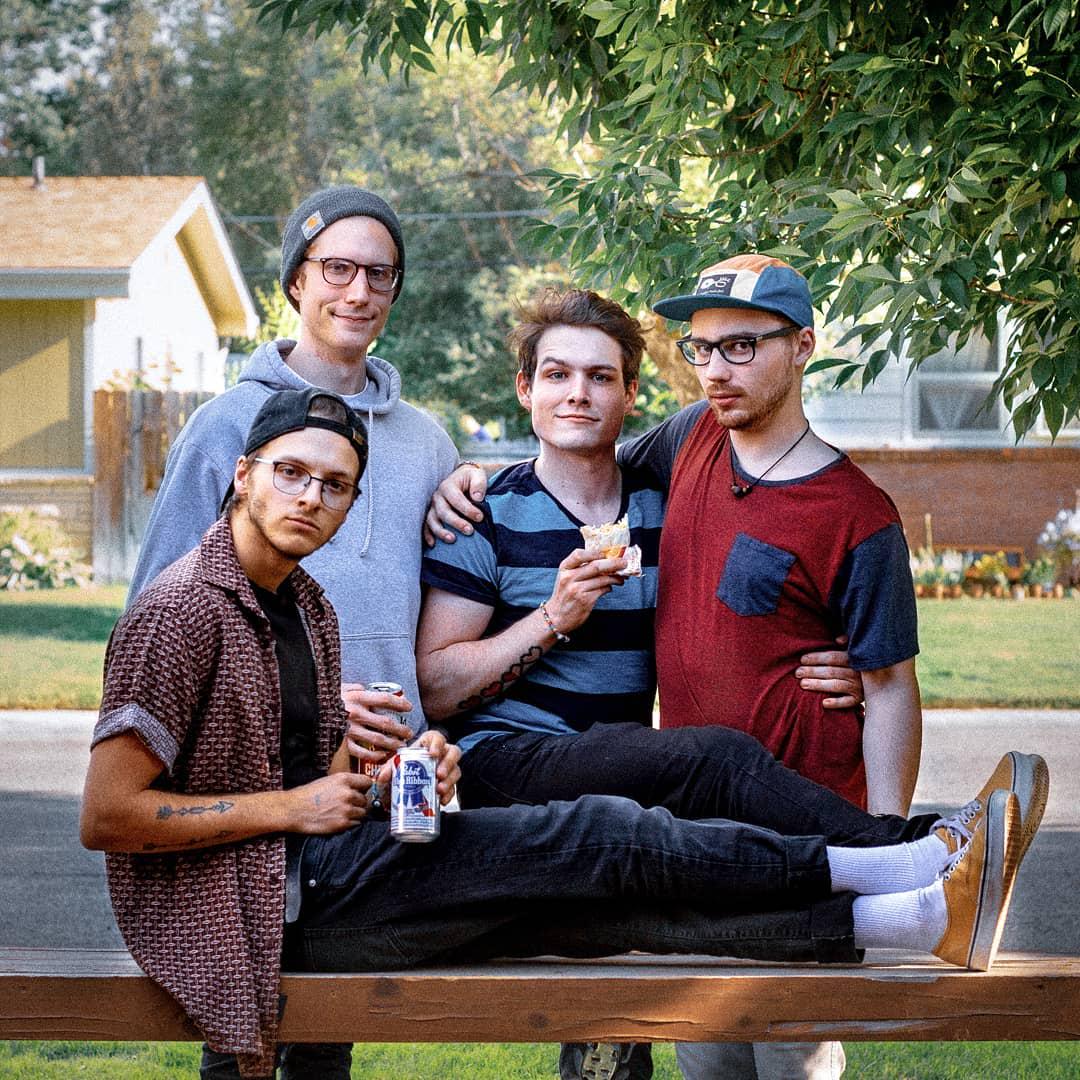
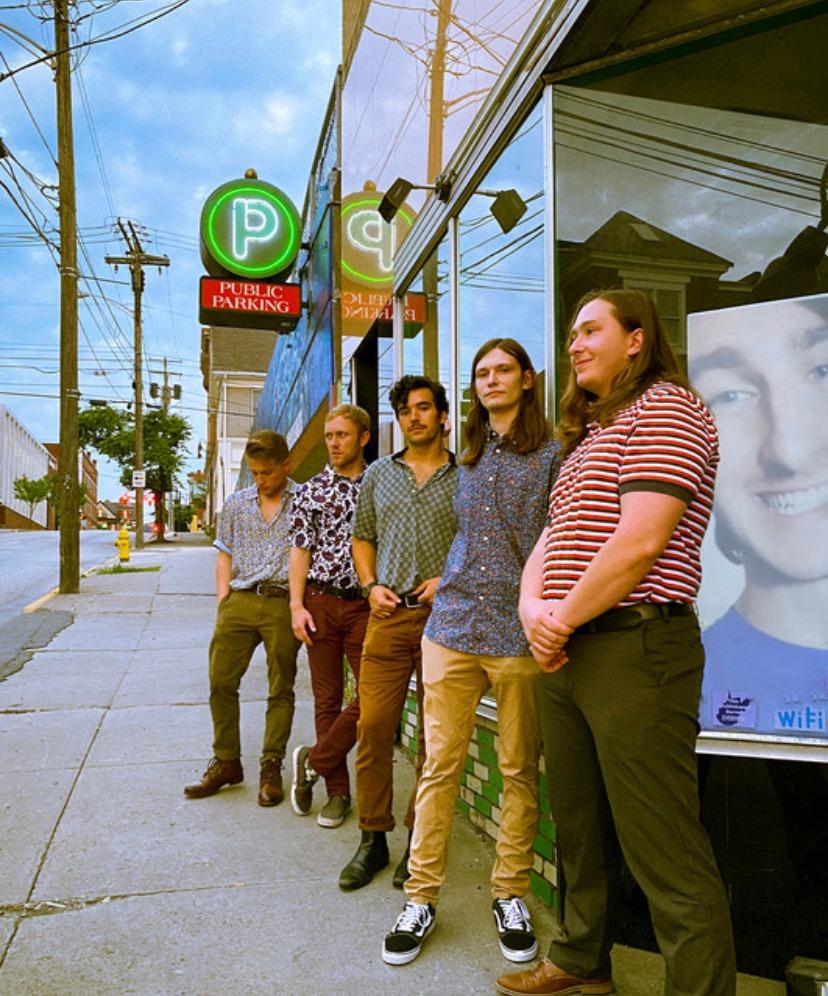
mandala consists of driven poets, talented musicians, songwriters, storytellers, and friends.
Together, they are on a mission to create an experience through their music by telling their story.
peace n love
mandala
Viberate is a music analytics platform built for A&Rs, artist managers, labels, booking agents, marketers, and artists.
It helps music professionals track artist growth, analyze audience data, monitor playlist activity, compare artists, follow song performance, and identify opportunities across the music market.
Public artist pages provide a free preview of selected artist data. Paid plans provide access to deeper analytics, historical data, charts, comparisons, playlist tools, exports, alerts, reports, and additional professional features.
Yes. Public Viberate artist pages provide selected artist analytics and music data for free.
Viberate also offers a 7-day free trial of the full platform. A credit card is required to start the trial. The trial includes access to the complete product so users can test deeper artist analytics, historical views, playlist insights, comparisons, charts, exports, alerts, and reporting features before choosing a paid plan.
Viberate provides artist analytics across streaming, playlists, social media, video, radio airplay, songs, and audience markets.
Users can analyze Spotify performance, Spotify and Apple Music playlists, YouTube activity, TikTok and Instagram growth, radio spins, song performance, audience locations, demographics, rankings, and overall artist momentum.
Artist profiles also connect to music charts, similar artists, and comparison tools, helping users benchmark performance and evaluate artists in context.
Viberate updates key artist and track data daily.
For followed artists and tracks, selected data is refreshed multiple times per day. This helps teams monitor playlist changes, streaming movement, audience growth, releases, and campaign performance with more current data.
Update frequency can vary depending on the metric and data source.
Yes. Viberate lets users compare up to five artists side by side across streaming, social media, audience, and engagement metrics.
Users can compare fanbase growth, audience demographics, locations, Spotify performance, social metrics, and other artist data over selected time periods.
Artist comparison can be used for A&R scouting, benchmarking, booking decisions, campaign planning, and evaluating artists with similar audiences or market positions.