Manasseh

Reggae
Roots Reggae
Dub
 Viberate Rank: 230724
 Viberate Rank: 230724
 Monthly ListenersFollowers
 Subscribers
 Followers
 Followers
 FansTop Spotify Songs
| Track | 7-Day Streams | |
|---|---|---|
1 | 3.64K | |
2 | 1.56K | |
3 | 1.39K | |
4 | 946 | |
5 | 901 |
Top YouTube VideosMonthly ListenersFeatured in Playlists| Playlist | Followers | |
|---|---|---|
1 |  Dub Reggae constantinex | 192.74K |
2 |  Reggae/Dub Andrès Vangheluwe | 39.33K |
3 |  Dub SoundSystem romain | 31.18K |
4 |  Chill smoke sesh 🍄🍃🚀✨ Nelé | 27.43K |
5 |  Reggae Dub and Roots 🇪🇹 wfeae1906 | 25.66K |
Audience| City | Monthly Listeners | |
|---|---|---|
1 | | 817 |
2 |  | 589 |
3 |  | 518 |
4 |  | 276 |
5 |  | 252 |
See full performance history, audience data, playlist activity, rankings, comparisons, and more in Viberate music analytics. Start with a free trial, then continue with a paid plan.
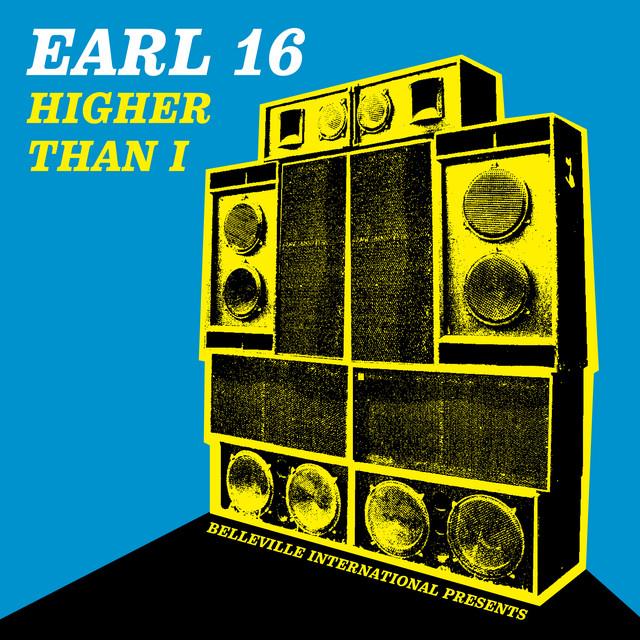
Manasseh’s Spotify BioManasseh sound system was built by a group of school friends for Notting Hill Carnival in 1985. Nick Manasseh started producing dubplates the same year, his earliest productions with Scruff becoming 'Sound Iration'. The first single, ‘Seventh Seal’, is widely credited as the first 'UK Steppers' record.
In 1987, Manasseh began their show on Kiss FM, brought in by brothers Norman and Joey Jay, to play the 3-6am ‘graveyard’ slot, which Manasseh occupied until 1999. The radio show and sound system established Manasseh in the UK and international reggae scene.
In 1990 Nick set up his first studio and label Riz Records, releasing Earl 16's 'Natural Roots', Admiral Tibet's 'Permission', Orville Smith's album 'Walking on Tightrope' and Manasseh meets The Equalizer's 'Dub The Millennium' (subsequently licensed to Acid Jazz). Manasseh studio during its Brixton days ('91-'00) was a magnet for other London sounds to voice dubplates, especially with visiting Jamaican artists, who included Dennis… Brown, Sugar Minott and Johnny Osbourne, to name a few.
In 2004 Nick started producing for the Roots Garden label, including tracks from Luciano, Freddie McGregor, Brother Culture, Earl 16 and Vin Gordon amongst many others. Nick continues to produce music from his studio 'The Yard' in Ladbroke Grove and has composed music for Julien Temple's film ‘London: The Modern Babylon’, Idris Elba’s ‘Yardie’ and radio. Nick continues to DJ across the world and occasionally touches down on radio
Viberate is a music analytics platform built for A&Rs, artist managers, labels, booking agents, marketers, and artists.
It helps music professionals track artist growth, analyze audience data, monitor playlist activity, compare artists, follow song performance, and identify opportunities across the music market.
Public artist pages provide a free preview of selected artist data. Paid plans provide access to deeper analytics, historical data, charts, comparisons, playlist tools, exports, alerts, reports, and additional professional features.
Yes. Public Viberate artist pages provide selected artist analytics and music data for free.
Viberate also offers a 7-day free trial of the full platform. A credit card is required to start the trial. The trial includes access to the complete product so users can test deeper artist analytics, historical views, playlist insights, comparisons, charts, exports, alerts, and reporting features before choosing a paid plan.
Viberate provides artist analytics across streaming, playlists, social media, video, radio airplay, songs, and audience markets.
Users can analyze Spotify performance, Spotify and Apple Music playlists, YouTube activity, TikTok and Instagram growth, radio spins, song performance, audience locations, demographics, rankings, and overall artist momentum.
Artist profiles also connect to music charts, similar artists, and comparison tools, helping users benchmark performance and evaluate artists in context.
Viberate updates key artist and track data daily.
For followed artists and tracks, selected data is refreshed multiple times per day. This helps teams monitor playlist changes, streaming movement, audience growth, releases, and campaign performance with more current data.
Update frequency can vary depending on the metric and data source.
Yes. Viberate lets users compare up to five artists side by side across streaming, social media, audience, and engagement metrics.
Users can compare fanbase growth, audience demographics, locations, Spotify performance, social metrics, and other artist data over selected time periods.
Artist comparison can be used for A&R scouting, benchmarking, booking decisions, campaign planning, and evaluating artists with similar audiences or market positions.