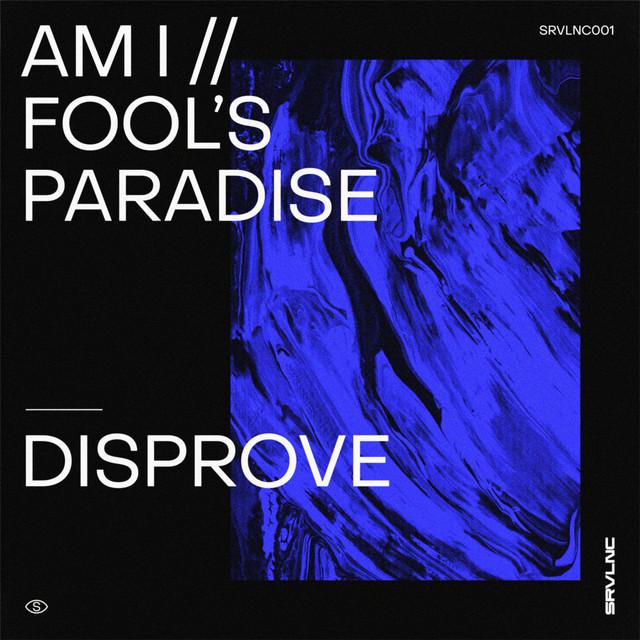
Malux

Electronic
Drum & Bass
 Viberate Rank: 258908
 Viberate Rank: 258908
 Monthly ListenersFollowers
 Subscribers
 Followers
 Followers
 FansTop Spotify SongsTop YouTube VideosMonthly ListenersFeatured in Playlists
| Playlist | Followers | |
|---|---|---|
1 |  Disciple : What's new? Disciple | 90.16K |
2 |  NEUROFUNK BANGERS Wendie Dufi | 19.36K |
3 | Sex Tape | 18.33K |
4 |  Drum and Bass fennis.tim | 17.79K |
5 |  Jump-Up Drum and Bass UKF | 16.22K |
Audience| City | Monthly Listeners | |
|---|---|---|
1 | | 201 |
2 |  | 169 |
3 |  | 147 |
4 |  | 137 |
5 |  | 97 |
See full performance history, audience data, playlist activity, rankings, comparisons, and more in Viberate music analytics. Start with a free trial, then continue with a paid plan.
Malux’s Spotify BioThere’s a subtle air of mad scientist to Malux, a man happiest in his laboratory, conjuring mind-boggling sonics. Sampling, resampling, then sculpting some more; Alex Chambers is forever in pursuit of those unique, perplexing textures you won’t hear on any other record.
It’s been this way since he emerged as experimental bass artist Skope in the early 2010s, an alias that continues to this day. The Malux project landed a few years later. It came with a vision and sound that flexes back to one of his earliest and strongest inspirations; Drum & Bass. A genre famed for its matchless production levels, Malux is the sound of Alex stepping up to the highest technical benchmarks and contributing to its boundary-breaking culture himself.
The first of these experiments surfaced in 2016 on Bad Taste. They’ve since landed on the respected likes of Vision Recordings, Ram Records, Eatbrain, Blackout Music, Get Hype, Renegade Hardware, C4C and Evolution Chamber. He’s also collaborated with many… respected kindred souls such as Prolix, Billain, Jakes, Synergy, Crissy Criss and Erb n Dub and remixed premiership acts like Noisia, Mefjus, Camo & Krooked, The Upbeats, The Prototypes and more.
And so the experiments persist. Beyond the laboratory, too. As a DJ Alex has taken his art around the world and he’s also as a music teacher in two different universities, ensuring the next generation of mad sonic scientists remain as inspired and as future-focused as he is. The conjuring continues…
Viberate is a music analytics platform built for A&Rs, artist managers, labels, booking agents, marketers, and artists.
It helps music professionals track artist growth, analyze audience data, monitor playlist activity, compare artists, follow song performance, and identify opportunities across the music market.
Public artist pages provide a free preview of selected artist data. Paid plans provide access to deeper analytics, historical data, charts, comparisons, playlist tools, exports, alerts, reports, and additional professional features.
Yes. Public Viberate artist pages provide selected artist analytics and music data for free.
Viberate also offers a 7-day free trial of the full platform. A credit card is required to start the trial. The trial includes access to the complete product so users can test deeper artist analytics, historical views, playlist insights, comparisons, charts, exports, alerts, and reporting features before choosing a paid plan.
Viberate provides artist analytics across streaming, playlists, social media, video, radio airplay, songs, and audience markets.
Users can analyze Spotify performance, Spotify and Apple Music playlists, YouTube activity, TikTok and Instagram growth, radio spins, song performance, audience locations, demographics, rankings, and overall artist momentum.
Artist profiles also connect to music charts, similar artists, and comparison tools, helping users benchmark performance and evaluate artists in context.
Viberate updates key artist and track data daily.
For followed artists and tracks, selected data is refreshed multiple times per day. This helps teams monitor playlist changes, streaming movement, audience growth, releases, and campaign performance with more current data.
Update frequency can vary depending on the metric and data source.
Yes. Viberate lets users compare up to five artists side by side across streaming, social media, audience, and engagement metrics.
Users can compare fanbase growth, audience demographics, locations, Spotify performance, social metrics, and other artist data over selected time periods.
Artist comparison can be used for A&R scouting, benchmarking, booking decisions, campaign planning, and evaluating artists with similar audiences or market positions.