Malik B.

Hip Hop
Contemporary Hip Hop
 Viberate Rank: 140239
 Viberate Rank: 140239
 Monthly ListenersFollowers
 Subscribers
 Followers
 Followers
 FansTop Spotify Songs
| Track | 7-Day Streams | |
|---|---|---|
1 | 58.53K | |
2 | 29.02K | |
3 | 18.62K | |
4 | 13.37K | |
5 | 9.54K |
Top YouTube VideosMonthly ListenersFeatured in Playlists| Playlist | Followers | |
|---|---|---|
1 | 90s Hip Hop Party Ridgway | 311.83K |
2 | Oasis Greatest Hits Jason Wilson | 147.66K |
3 |  NIKE RUNNING READY SET GO RUN Nike Run Club | 105.61K |
4 |  This Is The Roots Spotify | 57.03K |
5 |  Trip Hop Classics (1991-2001) - Triphop Classics 90s (100+ tracks) oppositemarco | 44.69K |
Audience| City | Monthly Listeners | |
|---|---|---|
1 |  | 2.56K |
2 |  | 2.37K |
3 | | 2.23K |
4 | | 1.92K |
5 | | 1.71K |
See full performance history, audience data, playlist activity, rankings, comparisons, and more in Viberate music analytics. Start with a free trial, then continue with a paid plan.
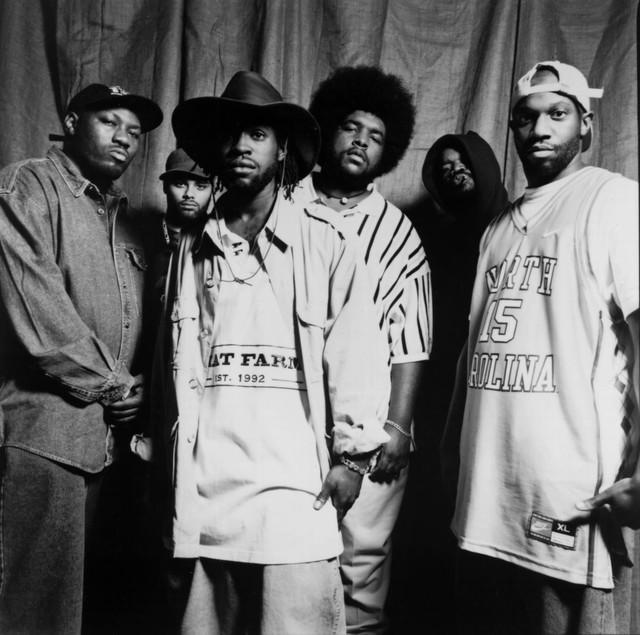
Malik B.’s Spotify BioPhiladelphia rapper Malik B. brought energy, grit, and a streetwise toughness to his rhymes both as a founding member of hip-hop legends the Roots and through a series of solo efforts. In addition to appearing on the earliest Roots albums, Malik released strong records of his own like 2015's collaboration with Mr. Green, Unpredictable.
Malik B. was born Malik Abdul Basit in 1972. The Philadelphia native watched the evolution of East Coast hip-hop in real time as he grew up, and by the late '80s, he had begun playing with high school friends in the conglomeration that would eventually become the Roots. As one of the group's emcees, Malik was foundational to the development of the Roots' sound, and appeared on their first four albums before leaving the band in 1999. He continued performing and recording solo, as well as in collaboration with other artists, and would occasionally show up on Roots albums as a guest contributor.
In 2005, Malik released his debut solo album, Street Assault,… following it quickly the next year with the Psychological EP. In 2015, he collaborated with Mr. Green on the joint album Unpredictable. On July 29, 2020, Malik B. died at age 47. ~ Fred Thomas, Rovi
Viberate is a music analytics platform built for A&Rs, artist managers, labels, booking agents, marketers, and artists.
It helps music professionals track artist growth, analyze audience data, monitor playlist activity, compare artists, follow song performance, and identify opportunities across the music market.
Public artist pages provide a free preview of selected artist data. Paid plans provide access to deeper analytics, historical data, charts, comparisons, playlist tools, exports, alerts, reports, and additional professional features.
Yes. Public Viberate artist pages provide selected artist analytics and music data for free.
Viberate also offers a 7-day free trial of the full platform. A credit card is required to start the trial. The trial includes access to the complete product so users can test deeper artist analytics, historical views, playlist insights, comparisons, charts, exports, alerts, and reporting features before choosing a paid plan.
Viberate provides artist analytics across streaming, playlists, social media, video, radio airplay, songs, and audience markets.
Users can analyze Spotify performance, Spotify and Apple Music playlists, YouTube activity, TikTok and Instagram growth, radio spins, song performance, audience locations, demographics, rankings, and overall artist momentum.
Artist profiles also connect to music charts, similar artists, and comparison tools, helping users benchmark performance and evaluate artists in context.
Viberate updates key artist and track data daily.
For followed artists and tracks, selected data is refreshed multiple times per day. This helps teams monitor playlist changes, streaming movement, audience growth, releases, and campaign performance with more current data.
Update frequency can vary depending on the metric and data source.
Yes. Viberate lets users compare up to five artists side by side across streaming, social media, audience, and engagement metrics.
Users can compare fanbase growth, audience demographics, locations, Spotify performance, social metrics, and other artist data over selected time periods.
Artist comparison can be used for A&R scouting, benchmarking, booking decisions, campaign planning, and evaluating artists with similar audiences or market positions.