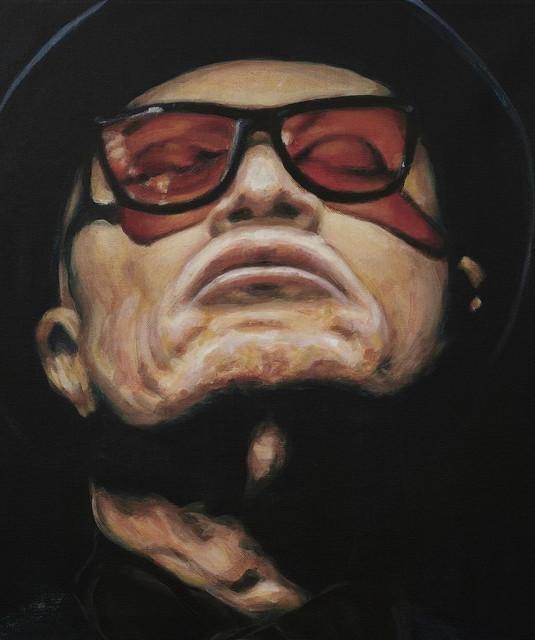
Malford Milligan

Blues
Contemporary Blues
Blues Rock
 Viberate Rank: 410861
 Viberate Rank: 410861
 Monthly ListenersFollowers
 Subscribers
 Followers
 Followers
 FansTop Spotify Songs
| Track | 7-Day Streams | |
|---|---|---|
1 | 421 | |
2 | 223 | |
3 | 194 | |
4 | 159 | |
5 | 152 |
Top YouTube Videos| Video | 7-Day Views | |
|---|---|---|
1 | 91 | |
2 | 17 | |
3 | 15 | |
4 | 11 | |
5 | 8 |
Monthly ListenersFeatured in Playlists| Playlist | Followers | |
|---|---|---|
1 | BB King, Eric Clapton and others 1226122150 | 7.08K |
2 | Chicago Blues #1 André Schmid | 2.78K |
3 |  𝗔𝗹𝗹-𝘁𝗶𝗺𝗲 𝗔𝗺𝗲𝗿𝗶𝗰𝗮𝗻𝗮 Mats | 2.74K |
4 |  Austin Blues Radio (Official) Timeless Hits Radio | 2.39K |
5 | Bluesrock Bjørn Storli | 2.19K |
Audience| City | Monthly Listeners | |
|---|---|---|
1 |  | 158 |
2 | | 40 |
3 | | 38 |
4 | | 37 |
5 | | 29 |
See full performance history, audience data, playlist activity, rankings, comparisons, and more in Viberate music analytics. Start with a free trial, then continue with a paid plan.
Malford Milligan’s Spotify BioWith his strong and powerful Soul-voice Malford Milligan has often been compared to giants like Otis Redding, Al Green and James Carr. As an partially sighted albino black Malford Milligan experienced a double dose of America’s pervasive racial confusions in his youth. Milligan is an eight-time award-winner as “Best Vocalist” at the annual Austin Music Awards (last awarded in 2015).
In 1994 he helped form what amounted to a Texas supergroup, Storyville, which also included David Holt, David Grissom, and the rhythm section from Stevie Ray Vaughan’s Double Trouble.
The last couple of years Malford has been living in the Netherlands where he’s touring with his band Malford Milligan & The Southern Aces. The latest album they recorded is ‘Life Will Humble You’ in 2018 followed by a single ‘Until The Rain’ in 2019 as part of a vinyl edition of ‘Life Will Humble You’.
In 2020 Malford Milligan released ‘I’m So Tired’. A song about the pain he felt and still feels as an albino black growing up in… a segregated society in Texas.
Viberate is a music analytics platform built for A&Rs, artist managers, labels, booking agents, marketers, and artists.
It helps music professionals track artist growth, analyze audience data, monitor playlist activity, compare artists, follow song performance, and identify opportunities across the music market.
Public artist pages provide a free preview of selected artist data. Paid plans provide access to deeper analytics, historical data, charts, comparisons, playlist tools, exports, alerts, reports, and additional professional features.
Yes. Public Viberate artist pages provide selected artist analytics and music data for free.
Viberate also offers a 7-day free trial of the full platform. A credit card is required to start the trial. The trial includes access to the complete product so users can test deeper artist analytics, historical views, playlist insights, comparisons, charts, exports, alerts, and reporting features before choosing a paid plan.
Viberate provides artist analytics across streaming, playlists, social media, video, radio airplay, songs, and audience markets.
Users can analyze Spotify performance, Spotify and Apple Music playlists, YouTube activity, TikTok and Instagram growth, radio spins, song performance, audience locations, demographics, rankings, and overall artist momentum.
Artist profiles also connect to music charts, similar artists, and comparison tools, helping users benchmark performance and evaluate artists in context.
Viberate updates key artist and track data daily.
For followed artists and tracks, selected data is refreshed multiple times per day. This helps teams monitor playlist changes, streaming movement, audience growth, releases, and campaign performance with more current data.
Update frequency can vary depending on the metric and data source.
Yes. Viberate lets users compare up to five artists side by side across streaming, social media, audience, and engagement metrics.
Users can compare fanbase growth, audience demographics, locations, Spotify performance, social metrics, and other artist data over selected time periods.
Artist comparison can be used for A&R scouting, benchmarking, booking decisions, campaign planning, and evaluating artists with similar audiences or market positions.