Make Believe

Rock
Indie Rock
Math Rock
 Viberate Rank: 361252
 Viberate Rank: 361252
 Monthly ListenersFollowers
 Subscribers
 Followers
 Followers
 FansTop Spotify Songs
| Track | 7-Day Streams | |
|---|---|---|
1 | 64 | |
2 | 53 | |
3 | 50 | |
4 | 46 | |
5 | 36 |
Top YouTube VideosMonthly ListenersFeatured in Playlists| Playlist | Followers | |
|---|---|---|
1 |  Math rock/midwest emo Jusu | 19.61K |
2 | STEVE ALBINI Sorgesalmen | 5.87K |
3 | Midwest Emo Samuel Fish | 3.83K |
4 |  The Sound of Math Rock The Sounds of Spotify | 3.43K |
5 |  BIRP! 2009 - 2019 BIRP! | 2.20K |
Audience| City | Monthly Listeners | |
|---|---|---|
1 | | 24 |
2 | | 12 |
3 | | 11 |
4 | | 10 |
5 | | 10 |
See full performance history, audience data, playlist activity, rankings, comparisons, and more in Viberate music analytics. Start with a free trial, then continue with a paid plan.
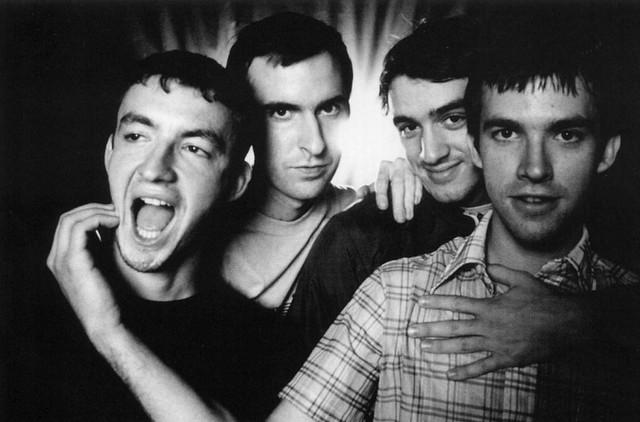
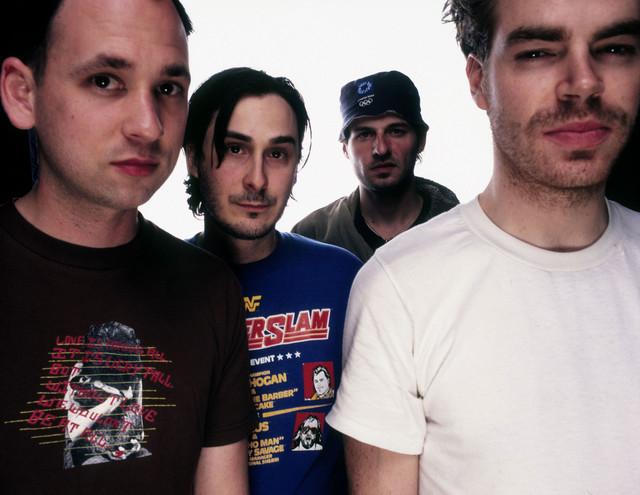
Make Believe’s Spotify BioFormed in 2003, Make Believe are yet another reshuffling of players from the '90s Chicago emo/indie rock scene (Joan of Arc, Cap'n Jazz, Owls, Ghosts and Vodka, etc.), this time featuring guitarist Sam Zurick, bassist Bobby Burg, and cousins Nate Kinsella on drums and Tim Kinsella on vocals. The experimental indie punk sounds of Make Believe first appeared in spring 2004 on a five-song self-titled EP issued through Flameshovel. The band's chaotic yet exhilarating musical presence was well-received, and the quartet followed up that fall with The Pink 7". Make Believe's hard-rocking full-length debut, Shock of Being, appeared in October 2005 to a positive response, as their volatile live show was taken on the road with bands like the Good Life, Hella, and the Paper Chase to further spread the love within the indie rock constituency. A summer 2006 run with Cursive led up to Make Believe's return that fall with their sophomore effort, Of Course. ~ Corey Apar, Rovi
Viberate is a music analytics platform built for A&Rs, artist managers, labels, booking agents, marketers, and artists.
It helps music professionals track artist growth, analyze audience data, monitor playlist activity, compare artists, follow song performance, and identify opportunities across the music market.
Public artist pages provide a free preview of selected artist data. Paid plans provide access to deeper analytics, historical data, charts, comparisons, playlist tools, exports, alerts, reports, and additional professional features.
Yes. Public Viberate artist pages provide selected artist analytics and music data for free.
Viberate also offers a 7-day free trial of the full platform. A credit card is required to start the trial. The trial includes access to the complete product so users can test deeper artist analytics, historical views, playlist insights, comparisons, charts, exports, alerts, and reporting features before choosing a paid plan.
Viberate provides artist analytics across streaming, playlists, social media, video, radio airplay, songs, and audience markets.
Users can analyze Spotify performance, Spotify and Apple Music playlists, YouTube activity, TikTok and Instagram growth, radio spins, song performance, audience locations, demographics, rankings, and overall artist momentum.
Artist profiles also connect to music charts, similar artists, and comparison tools, helping users benchmark performance and evaluate artists in context.
Viberate updates key artist and track data daily.
For followed artists and tracks, selected data is refreshed multiple times per day. This helps teams monitor playlist changes, streaming movement, audience growth, releases, and campaign performance with more current data.
Update frequency can vary depending on the metric and data source.
Yes. Viberate lets users compare up to five artists side by side across streaming, social media, audience, and engagement metrics.
Users can compare fanbase growth, audience demographics, locations, Spotify performance, social metrics, and other artist data over selected time periods.
Artist comparison can be used for A&R scouting, benchmarking, booking decisions, campaign planning, and evaluating artists with similar audiences or market positions.