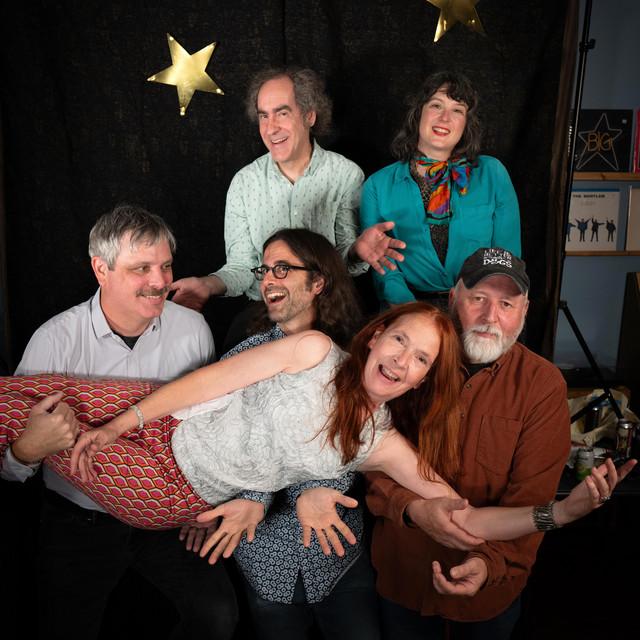
Major Stars

Rock
Psychedelic Rock
 Viberate Rank: 505125
 Viberate Rank: 505125
 Monthly ListenersFollowers
 Subscribers
 Followers
 Followers
 FansTop Spotify Songs
| Track | 7-Day Streams | |
|---|---|---|
1 | 12 | |
2 | 8 | |
3 | 6 | |
4 | 6 | |
5 | 6 |
Top YouTube VideosMonthly ListenersFeatured in Playlists| Playlist | Followers | |
|---|---|---|
1 |  NPR All Songs Considered - The Bob Boilen years (unofficial) Fri Tsch | 30.02K |
2 |  Matador Recommends Matador Records | 4.81K |
3 |  All Songs Considered 24/7 NPR Music | 1.71K |
4 |  The Best Show on WFMU Jared Duncan | 1.51K |
Audience| City | Monthly Listeners | |
|---|---|---|
1 | | 8 |
2 | | 7 |
3 | | 4 |
4 |  | 4 |
5 | | 4 |
See full performance history, audience data, playlist activity, rankings, comparisons, and more in Viberate music analytics. Start with a free trial, then continue with a paid plan.
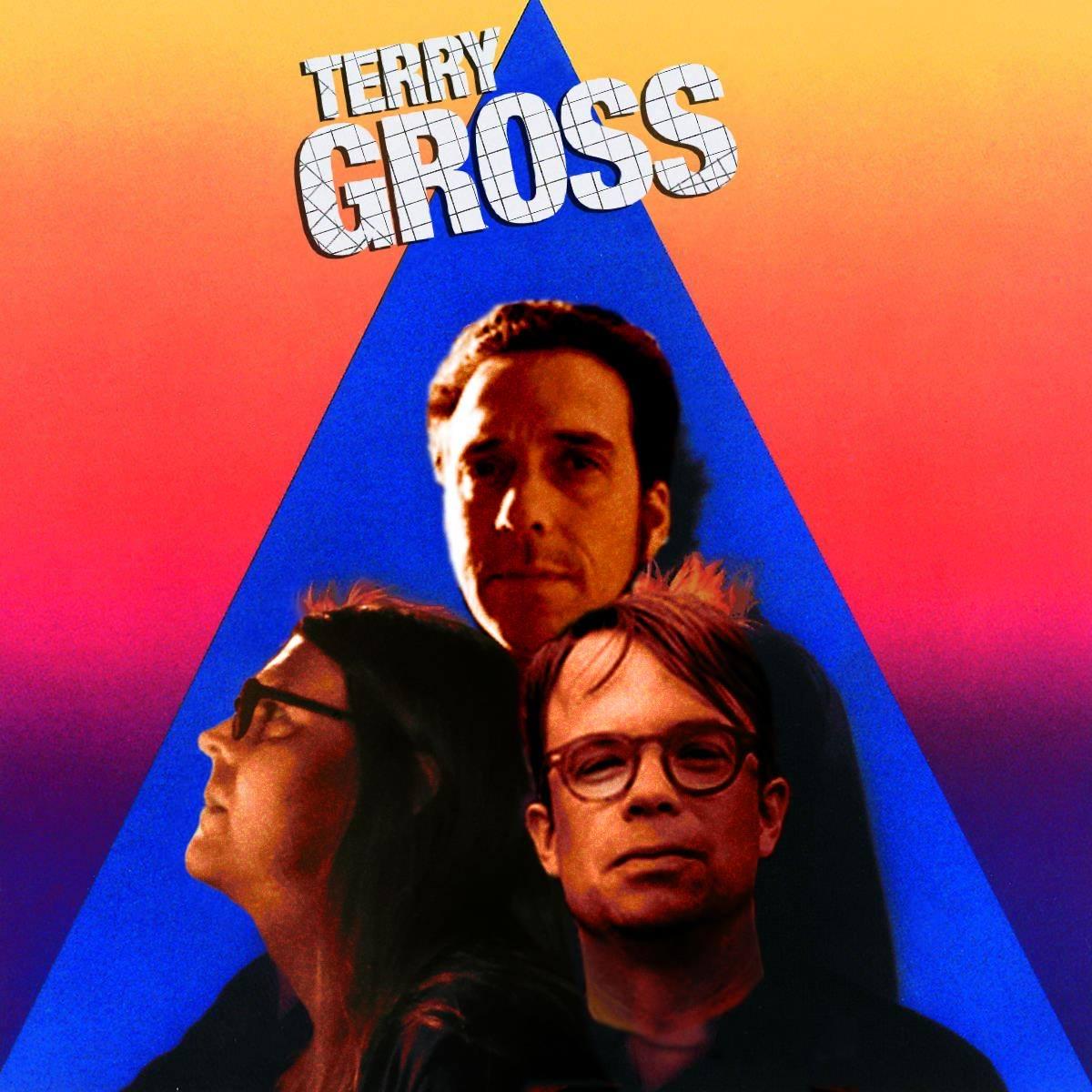
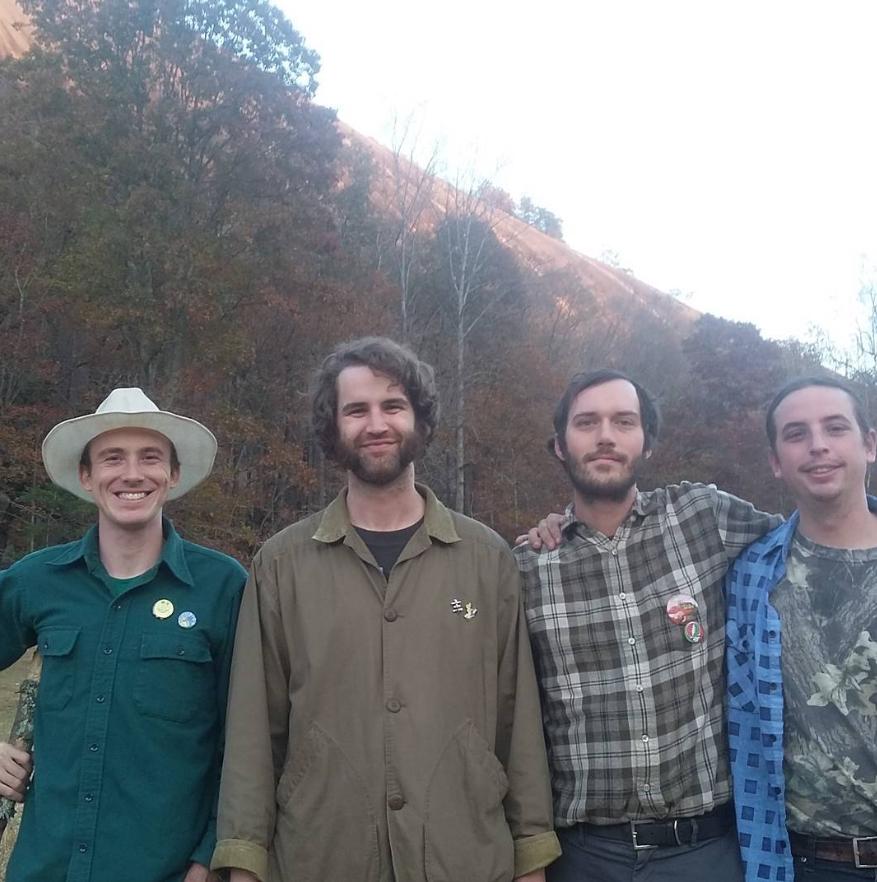
Major Stars’ Spotify BioA pillar of America's wildly independent rural psychedelia scene, Major Stars were formed in 1997 by Kate Biggar and Wayne Rogers. Both longtime fixtures in Boston's indie scene, Biggar's and Rogers' frenzied guitar freakouts and acid-dipped rock wanderings were captured over the next 20-plus years on both murkily recorded documents and more polished studio productions like 2016's Motion Set.
Biggar and Rogers met in the early '80s and worked together in several bands in their youth, exploring underground sounds that as they developed their own noise. Before Major Stars, they worked with former Galaxie 500 members Damon Krukowski and Naomi Yang in the short-lived space rock band Magic Hour. When Magic Hour disbanded in 1996, the two opened up the Twisted Village record store and label in Cambridge, Massachusetts and shortly afterwards started Major Stars. The band amplified the celestial fuzz of Magic Hour, injecting it with blazing guitar solos and a sometimes-sinister edge. The two… guitarists were joined by bassist Tom Leonard and drummer Dave Lynch for the band's initial lineup, and their debut album, Rock Revival, was released on their Twisted Village label in 1998. Space/Time followed in 1999, and the bandmates spent the following two years recording their third effort, Distant Effects. The record was released in 2002 on the Virginia-based Squealer Music label; that same year, Major Stars toured alongside Japan's Acid Mothers Temple as an opening act and performed at the South by Southwest Festival in Austin, Texas. Touring wrapped up in May 2003 and a limited-edition split release with Comets on Fire entitled Live in Europa was released, bringing the band to the attention of new listeners. They decamped to a proper studio in New York to start work on their fourth album, the aptly titled 4. Lineup changes soon plagued the group, however. By the time 4 was released in spring 2005, Major Stars had lost one member (Lynch) and picked up three more (drummer Casey Keenan, bassist Dave Dougan, and vocalist Sandra Barrett), with previous bassist Tom Leonard opting to play guitar instead. The group soldiered on as a sextet, releasing Syntoptikon in 2006 and Mirror/Messenger in 2007. In 2010, Major Stars released their seventh album, Return to Form, on Drag City, followed by Decibels of Gratitude in 2012. Though the band toured consistently, they didn't issue another recording for four years. With Motion Set, issued in late 2016, they enlisted several singers to deliver Rogers' lyrics in the studio, including Hayley Thompson-King, who fronted the group for the album's first single "For Today." Three years later they returned with Roots of Confusion Seeds of Joy, another burning chapter of their ongoing work which featured new vocalist Noell Dorsey. Dorsey's harmonies brought a new color to the album but didn't take any space away from Biggar's and Rogers' time-honed guitar assaults. ~ Alex Henderson & Andrew Leahey, Rovi
Viberate is a music analytics platform built for A&Rs, artist managers, labels, booking agents, marketers, and artists.
It helps music professionals track artist growth, analyze audience data, monitor playlist activity, compare artists, follow song performance, and identify opportunities across the music market.
Public artist pages provide a free preview of selected artist data. Paid plans provide access to deeper analytics, historical data, charts, comparisons, playlist tools, exports, alerts, reports, and additional professional features.
Yes. Public Viberate artist pages provide selected artist analytics and music data for free.
Viberate also offers a 7-day free trial of the full platform. A credit card is required to start the trial. The trial includes access to the complete product so users can test deeper artist analytics, historical views, playlist insights, comparisons, charts, exports, alerts, and reporting features before choosing a paid plan.
Viberate provides artist analytics across streaming, playlists, social media, video, radio airplay, songs, and audience markets.
Users can analyze Spotify performance, Spotify and Apple Music playlists, YouTube activity, TikTok and Instagram growth, radio spins, song performance, audience locations, demographics, rankings, and overall artist momentum.
Artist profiles also connect to music charts, similar artists, and comparison tools, helping users benchmark performance and evaluate artists in context.
Viberate updates key artist and track data daily.
For followed artists and tracks, selected data is refreshed multiple times per day. This helps teams monitor playlist changes, streaming movement, audience growth, releases, and campaign performance with more current data.
Update frequency can vary depending on the metric and data source.
Yes. Viberate lets users compare up to five artists side by side across streaming, social media, audience, and engagement metrics.
Users can compare fanbase growth, audience demographics, locations, Spotify performance, social metrics, and other artist data over selected time periods.
Artist comparison can be used for A&R scouting, benchmarking, booking decisions, campaign planning, and evaluating artists with similar audiences or market positions.