Magnus P. Eckhéll

Electronic
House
Techno
 Viberate Rank: 863246
 Viberate Rank: 863246
 Monthly ListenersFollowers
 Subscribers
 Followers
 Followers
 FansTop Spotify SongsTop YouTube VideosMonthly ListenersFeatured in PlaylistsAudience
| City | Monthly Listeners | |
|---|---|---|
1 |  | 4 |
2 | | 4 |
See full performance history, audience data, playlist activity, rankings, comparisons, and more in Viberate music analytics. Start with a free trial, then continue with a paid plan.
Magnus P. Eckhéll’s Spotify BioMagnus P. Eckhéll is a Stockholm-based techno producer and DJ, born in 1971, with a long-standing relationship to electronic music. Growing up during the formative years of 1980s electronic and synthesizer-based music, his early influences ranged from pioneers such as Vangelis, Jean-Michel Jarre and Ralf Lundsten to the quieter undercurrents of synthpop and industrial music.
In the early 1990s, Eckhéll spent much of his time in Stockholm’s record shops, raves and clubs as Chicago and Detroit sounds slowly reached the city. An early encounter with Phuture’s “Acid Tracks” proved formative, and electronic dance music became a steady presence.
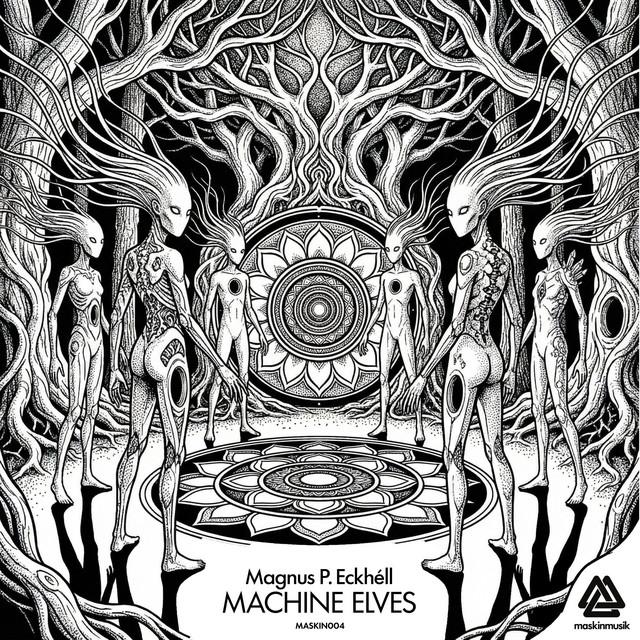
Music production followed later, developing gradually. After some years focused on family life, the timing felt right to gather those experiences into something more deliberate. This took shape as Maskinmusik, a small imprint where sound and visual language coexist quietly. His work has also appeared on Wunderblock.
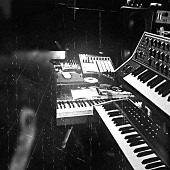
Working from his Magma Studio in the… Stockholm archipelago, Eckhéll’s output moves between dark, mechanical techno and more melodic, introspective forms. The music avoids overt statements, carrying subtle traces of earlier scenes and places.
Within those frequencies live memories of the years when techno first arrived in Sweden: forest raves, dimly lit warehouses, iconic music machines and a sense of discovery. For Eckhéll, techno remains a living, evolving form — shaped by time, patience and the nights of the 1990s.
Viberate is a music analytics platform built for A&Rs, artist managers, labels, booking agents, marketers, and artists.
It helps music professionals track artist growth, analyze audience data, monitor playlist activity, compare artists, follow song performance, and identify opportunities across the music market.
Public artist pages provide a free preview of selected artist data. Paid plans provide access to deeper analytics, historical data, charts, comparisons, playlist tools, exports, alerts, reports, and additional professional features.
Yes. Public Viberate artist pages provide selected artist analytics and music data for free.
Viberate also offers a 7-day free trial of the full platform. A credit card is required to start the trial. The trial includes access to the complete product so users can test deeper artist analytics, historical views, playlist insights, comparisons, charts, exports, alerts, and reporting features before choosing a paid plan.
Viberate provides artist analytics across streaming, playlists, social media, video, radio airplay, songs, and audience markets.
Users can analyze Spotify performance, Spotify and Apple Music playlists, YouTube activity, TikTok and Instagram growth, radio spins, song performance, audience locations, demographics, rankings, and overall artist momentum.
Artist profiles also connect to music charts, similar artists, and comparison tools, helping users benchmark performance and evaluate artists in context.
Viberate updates key artist and track data daily.
For followed artists and tracks, selected data is refreshed multiple times per day. This helps teams monitor playlist changes, streaming movement, audience growth, releases, and campaign performance with more current data.
Update frequency can vary depending on the metric and data source.
Yes. Viberate lets users compare up to five artists side by side across streaming, social media, audience, and engagement metrics.
Users can compare fanbase growth, audience demographics, locations, Spotify performance, social metrics, and other artist data over selected time periods.
Artist comparison can be used for A&R scouting, benchmarking, booking decisions, campaign planning, and evaluating artists with similar audiences or market positions.