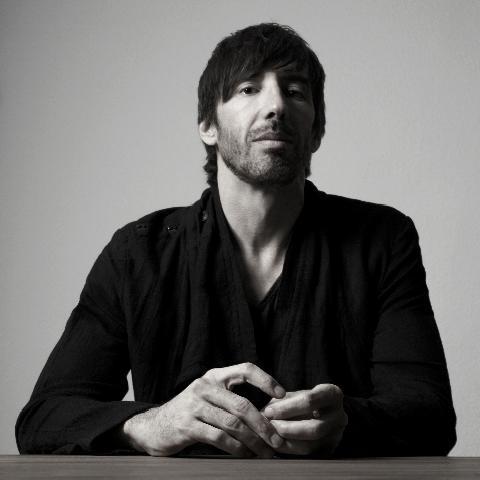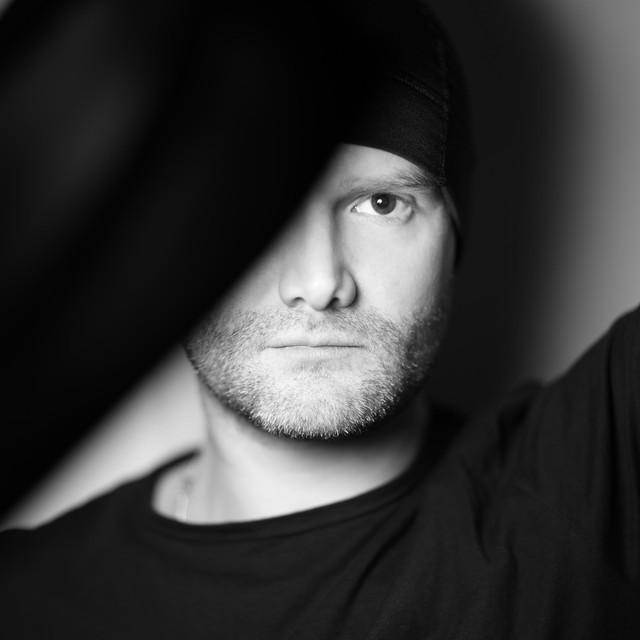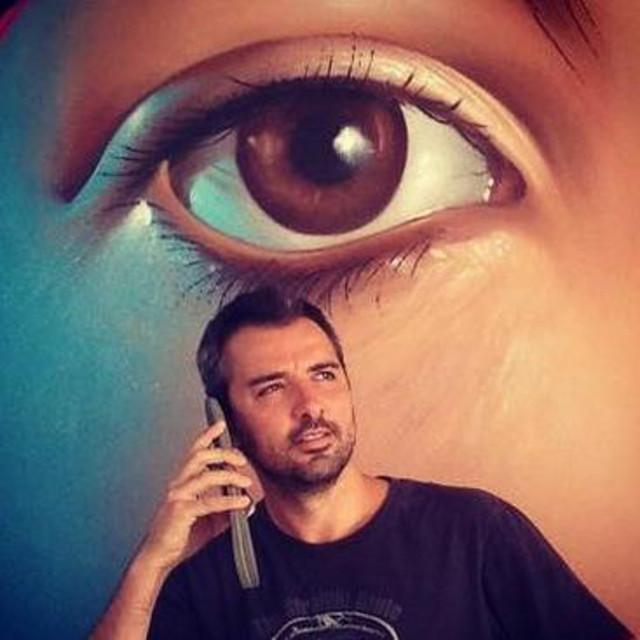
Magda

Electronic
Techno
Minimal Techno
 Viberate Rank: 69344
 Viberate Rank: 69344
 Monthly ListenersFollowers
 Subscribers
 Followers
 Followers
 FansTop Spotify Songs
| Track | 7-Day Streams | |
|---|---|---|
1 | 1.13K | |
2 | 529 | |
3 | 373 | |
4 | 243 | |
5 | 219 |
Top YouTube VideosMonthly ListenersFeatured in Playlists| Playlist | Followers | |
|---|---|---|
1 |  Minimal Techno alekzanther | 127.23K |
2 |  sleep well, space cowboy Remo | 16.15K |
3 | Víctor Iturbe "El Pirulí" charly_zu | 8.85K |
4 | Full Length DJ Mixes - Continuous Mixes Evan Witten | 8.60K |
5 | 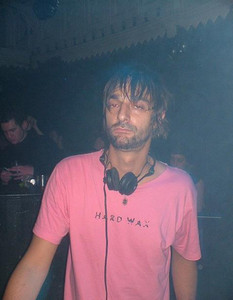 Ricardo Villalobos Litox06 | 6.40K |
Audience| City | Monthly Listeners | |
|---|---|---|
1 |  | 198 |
2 |  | 137 |
3 |  | 97 |
4 | | 92 |
5 | | 85 |
See full performance history, audience data, playlist activity, rankings, comparisons, and more in Viberate music analytics. Start with a free trial, then continue with a paid plan.
Magda’s Spotify BioBased in Berlin yet deeply rooted in Detroit, Magda is a minimal techno DJ/producer closely affiliated with Richie Hawtin and his M_nus collective. Born Magdalena Chojnacka in Zywiec, Poland, she moved with her family to the United States at age nine, first settling in Texas. Her family then moved in 1986 to Detroit, more specifically the Polish enclave of Hamtramck, a city within the city. Initially interested in guitar-based alternative rock music such as New Order and My Bloody Valentine, Magda got deeply into the storied Detroit techno scene around 1994 after attending Hawtin's Spastik party at the famed Packard Plant complex, a key turning point for her musically. She began spinning records around this same time, and in 1996 she began performing as a DJ, notably joining Detroit's Women on Wax collective. Her style of music evolved during these years, moving from acid techno and electro to house and, ultimately, minimal techno. The move to minimal techno occurred roughly around the… same time she became affiliated with Hawtin, who awarded her a weekly residency at his Windsor club, 13 Below, during the late '90s.
Magda's affiliation with Hawtin continued to grow closer, particularly once she began opening for him at his DJ performances; for instance, she was the opening DJ at his New Year's Eve party in 1999 at the Motor club in Hamtramck. As the techno scene in Detroit went downhill at the turn of the century -- for various reasons, among them law enforcement as well as the trance boom -- Magda left for New York City, where she lived for only a year before moving once again, this time to Berlin in 2003. Hawtin soon followed, and the M_nus collective was essentially relocated from Detroit-Windsor to Berlin, where the market for minimal techno was much larger and freer than in the United States.
Well established as a globetrotting DJ by this point in the mid-2000s, Magda began releasing production work as well, beginning with the Stop (2005) 12" EP on M_nus. Also in 2005, her track "The Black Room" was compiled on the M_nus various-artists sampler Minimize to Maximize. In 2006 she released the full-length DJ mix She's a Dancing Machine on M_nus; also that year, her track "Staring Contest" was compiled on min2MAX while "Black Leather Wonder" was included on the Spaceships & Pings various-artists 12" EP released by Items & Things, a label she co-founded with M_nus colleagues Troy Pierce and Marc Houle. Her production work continued to trickle out slowly in subsequent years, as for instance her track "48 Hour Crack in Your Bass" was compiled on the M_nus various-artists sampler Nothing Much (A Best of Minus) + Something More. ~ Jason Birchmeier, Rovi
Viberate is a music analytics platform built for A&Rs, artist managers, labels, booking agents, marketers, and artists.
It helps music professionals track artist growth, analyze audience data, monitor playlist activity, compare artists, follow song performance, and identify opportunities across the music market.
Public artist pages provide a free preview of selected artist data. Paid plans provide access to deeper analytics, historical data, charts, comparisons, playlist tools, exports, alerts, reports, and additional professional features.
Yes. Public Viberate artist pages provide selected artist analytics and music data for free.
Viberate also offers a 7-day free trial of the full platform. A credit card is required to start the trial. The trial includes access to the complete product so users can test deeper artist analytics, historical views, playlist insights, comparisons, charts, exports, alerts, and reporting features before choosing a paid plan.
Viberate provides artist analytics across streaming, playlists, social media, video, radio airplay, songs, and audience markets.
Users can analyze Spotify performance, Spotify and Apple Music playlists, YouTube activity, TikTok and Instagram growth, radio spins, song performance, audience locations, demographics, rankings, and overall artist momentum.
Artist profiles also connect to music charts, similar artists, and comparison tools, helping users benchmark performance and evaluate artists in context.
Viberate updates key artist and track data daily.
For followed artists and tracks, selected data is refreshed multiple times per day. This helps teams monitor playlist changes, streaming movement, audience growth, releases, and campaign performance with more current data.
Update frequency can vary depending on the metric and data source.
Yes. Viberate lets users compare up to five artists side by side across streaming, social media, audience, and engagement metrics.
Users can compare fanbase growth, audience demographics, locations, Spotify performance, social metrics, and other artist data over selected time periods.
Artist comparison can be used for A&R scouting, benchmarking, booking decisions, campaign planning, and evaluating artists with similar audiences or market positions.