Magazine

Punk
Punk Rock
Post Punk
Indie Rock
 Viberate Rank: 70138
 Viberate Rank: 70138
 Monthly ListenersFollowers
 Subscribers
 Followers
 Followers
 FansTop Spotify Songs
| Track | 7-Day Streams | |
|---|---|---|
1 | 27.91K | |
2 | 15.05K | |
3 | 13.61K | |
4 | 12.04K | |
5 | 7.04K |
Top YouTube Videos| Video | 7-Day Views | |
|---|---|---|
1 | 71 |
Monthly ListenersFeatured in Playlists| Playlist | Followers | |
|---|---|---|
1 |  Made in Manchester Spotify | 252.50K |
2 |  O melhor do Rock Nacional 80/90 oloxa | 217.04K |
3 |  Rock Nacional Anos 80 e 90 neliocamargo | 143.30K |
4 |  Punk Classics Filtr Legacy Sweden | 73.27K |
5 |  The Sound of Everything The Sounds of Spotify | 53.81K |
Audience| City | Monthly Listeners | |
|---|---|---|
1 | | 4.02K |
2 | | 2.21K |
3 |  | 1.61K |
4 |  | 1.34K |
5 | | 1.22K |
See full performance history, audience data, playlist activity, rankings, comparisons, and more in Viberate music analytics. Start with a free trial, then continue with a paid plan.
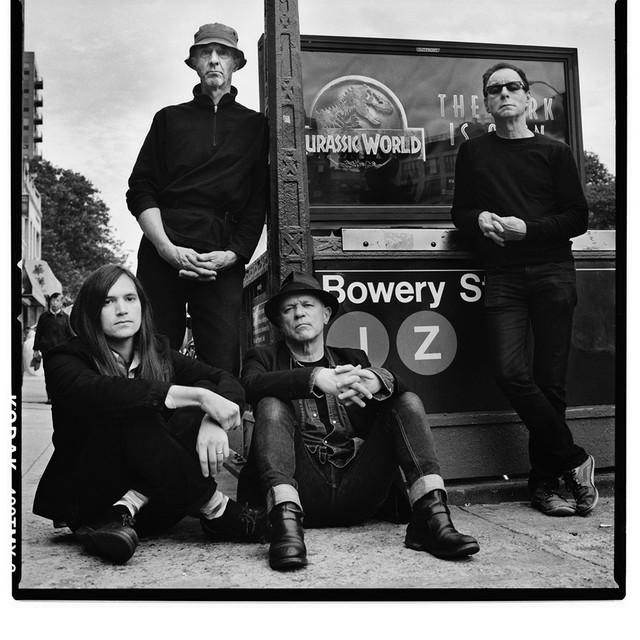
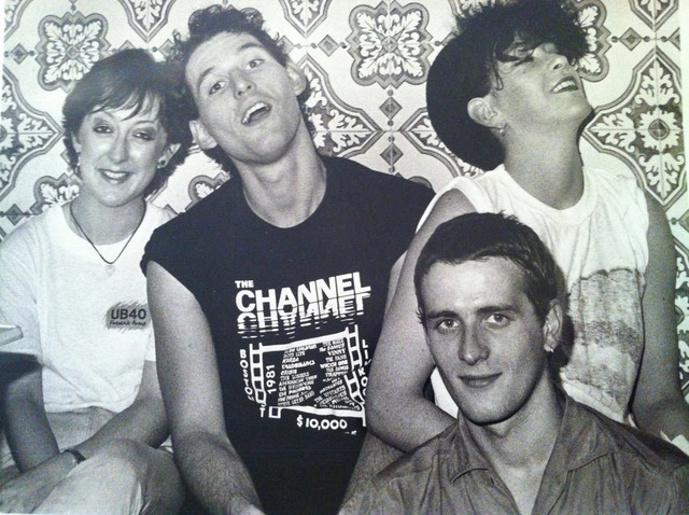
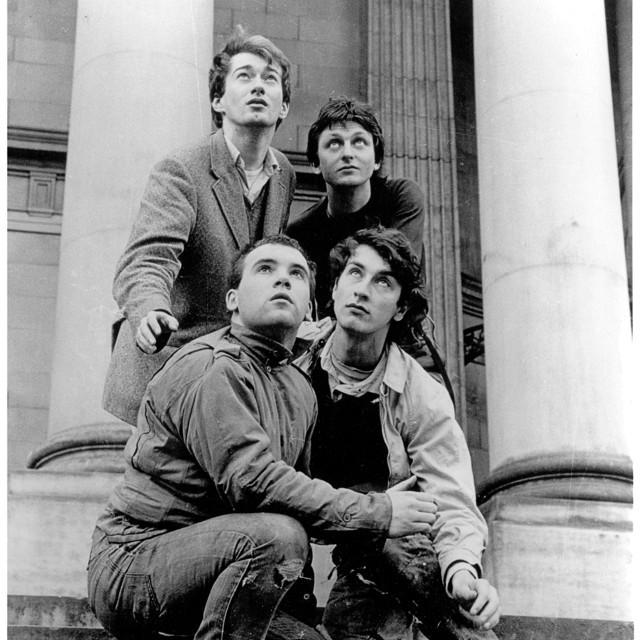
Magazine’s Spotify BioAfter leaving the Buzzcocks in 1977, vocalist Howard Devoto formed Magazine with guitarist John McGeoch, bassist Barry Adamson, keyboardist Bob Dickinson, and drummer Martin Jackson. One of the first post-punk bands, Magazine kept the edgy, nervous energy of punk and added elements of art rock, particularly with their theatrical live shows and shards of keyboards. Devoto's lyrics were combinations of social commentary and poetic fragments, while the band alternated between cold, jagged chords and gloomy, atmospheric sonic landscapes.
Magazine performed their first concert in the fall of 1977 and were signed to Virgin Records by the end of the year; by that point, Dickinson had left the group. The band recorded its first single, "Shot by Both Sides," as a quartet; Devoto had written the song with his former Buzzcocks partner, Pete Shelley. Appearing in early 1978, the single gathered good reviews on both sides of the Atlantic and charted in the U.K., peaking at number 41. Before they… recorded their debut album, keyboardist Dave Formula joined the lineup. Real Life, released later in 1978, continued the confrontational, arty pop-punk of "Shot by Both Sides." Following their first tour, Jackson left the group and was replaced by John Doyle. The new lineup recorded the band's second album, Secondhand Daylight (1979). Secondhand Daylight was somewhat of a departure from the debut, featuring more keyboards, smoother rhythms, and streamlined lyrics from Devoto. Despite its ambitiousness, the record was poorly received by the press. During this time, McGeoch played with Siouxsie & the Banshees, while Adamson, Formula, and McGeoch were part of Visage, along with Steve Strange. At the beginning of 1980, the band released its third album, The Correct Use of Soap.
In the summer of 1980, Magazine released "Sweetheart Contract," which became their second and last British chart hit, peaking at number 54. After it hit the charts, McGeoch left the band to become a full-time member of Siouxsie & the Banshees; he was replaced by Robin Simon. Magazine toured America and Australia and recorded a live album called Play, which was released at the end of 1980. Simon left at the end of the tour, with former Amazorblades guitarist Bob Mandelson taking his place. Magic, Murder and the Weather was released in the spring of 1981; it proved to be Magazine's last album until three decades later. Devoto left the group in May of 1981 to pursue a solo career and the band broke up shortly afterward.
Devoto's activities after the breakup of Magazine included a solo album (1983's Jerky Versions of the Dream), an appearance on This Mortal Coil's It'll End in Tears (lead vocals on a cover of Big Star's "Kangaroo"), two albums as part of the duo Luxuria (1988's Unanswerable Lust and 1990's Beast Box), and an album with Buzzcocks' Pete Shelley as ShelleyDevoto (Buzzkunst, 2001). Adamson was more active than any of his former bandmates; he played with the Birthday Party and Nick Cave & the Bad Seeds and recorded regularly as a solo artist, beginning with Moss Side Story (1988). McGeoch left the Banshees in 1982, joined the Armoury Show (beside Doyle) for four years, and then linked with John Lydon's Public Image Ltd. from 1986 through 1992. He passed away in 2004. In 2009, Devoto, Adamson, Formula, and Doyle -- along with Devoto's Luxuria partner, Noko, as guitarist -- reunited for a handful of performances. After Adamson departed and was replaced by Jon "Stan" White, the band recorded No Thyself -- its fifth studio album -- and released it in 2011. ~ Stephen Thomas Erlewine & Andy Kellman, Rovi
Viberate is a music analytics platform built for A&Rs, artist managers, labels, booking agents, marketers, and artists.
It helps music professionals track artist growth, analyze audience data, monitor playlist activity, compare artists, follow song performance, and identify opportunities across the music market.
Public artist pages provide a free preview of selected artist data. Paid plans provide access to deeper analytics, historical data, charts, comparisons, playlist tools, exports, alerts, reports, and additional professional features.
Yes. Public Viberate artist pages provide selected artist analytics and music data for free.
Viberate also offers a 7-day free trial of the full platform. A credit card is required to start the trial. The trial includes access to the complete product so users can test deeper artist analytics, historical views, playlist insights, comparisons, charts, exports, alerts, and reporting features before choosing a paid plan.
Viberate provides artist analytics across streaming, playlists, social media, video, radio airplay, songs, and audience markets.
Users can analyze Spotify performance, Spotify and Apple Music playlists, YouTube activity, TikTok and Instagram growth, radio spins, song performance, audience locations, demographics, rankings, and overall artist momentum.
Artist profiles also connect to music charts, similar artists, and comparison tools, helping users benchmark performance and evaluate artists in context.
Viberate updates key artist and track data daily.
For followed artists and tracks, selected data is refreshed multiple times per day. This helps teams monitor playlist changes, streaming movement, audience growth, releases, and campaign performance with more current data.
Update frequency can vary depending on the metric and data source.
Yes. Viberate lets users compare up to five artists side by side across streaming, social media, audience, and engagement metrics.
Users can compare fanbase growth, audience demographics, locations, Spotify performance, social metrics, and other artist data over selected time periods.
Artist comparison can be used for A&R scouting, benchmarking, booking decisions, campaign planning, and evaluating artists with similar audiences or market positions.